•
•
•
•
•
•
•
•
•
•
•
•
•
•
•
•
•
•
•
•
•
•
•
•
•
•
•
•
•
•
•
•
•


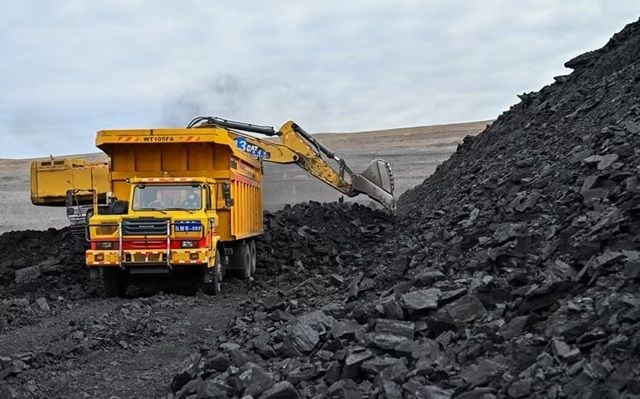
Geopolitical tensions in the Middle East are reviving global coal demand, with imports rising even as the market would normally be expected to soften after the Northern Hemisphere heating season ends. Shipping constraints linked to the Hormuz Strait have tightened energy flows from the Gulf, pushing several economies toward coal as a cheaper and more readily available alternative to gas.
As the conflict in the Middle East escalated, the Hormuz Strait has become a chokepoint that Iran and the United States are seeking to control, constraining gas flows from the Gulf. For Asia—where many economies depend on gas transported through the strait—this has triggered a deep energy crisis. In response, many markets have turned to coal, described as the most certain option in the near term.
Global coal imports in May 2026 are expected to reach 107 million tonnes, the third-highest on record for May since 2017, according to Kpler. The increase is occurring at a time when coal demand would typically be subdued.
Freight rates also moved higher. According to Argus, shipping costs from Indonesia rose by an average of 60% to 75% in May 2026 versus February 2026, while rates from Australia increased by 40% to 50%. Coal has also become the largest-volume commodity on mid-sized vessels.
Navios Partners CEO Angeliki Frangou said traders are using a substitution rule of thumb: “for every ton of gas, you can substitute two tons of coal.” The article notes that the concern extends beyond shipping routes and immediate numbers, because the coal rebound is not limited to countries that continued using coal, such as China and India.
It is also affecting nations that had been moving away from coal and are now pausing those commitments under pressure. South Korea is cited as an example.
South Korea’s President Lee Jae Myung had pledged to shut down most coal-fired power plants by 2040. However, in March, Seoul removed the seasonal cap on coal-fired power generation of 80% to temporarily reduce reliance on natural gas. S&P Global data cited in the article shows that in the first six weeks of the conflict, South Korea’s coal-fired power output rose by more than 4 GW versus a year earlier.
The article also reports that Thailand has restarted coal-fired plants. Japan has reported higher coal-fired output over the past two months, and coal shipments to Japan, South Korea, and the European Union in April 2026 rose 27% year-on-year, according to BIMCO.
The situation is further complicated by Indonesia’s export ban, which takes effect from early April. The shift from gas to coal has tightened supply, and Chinese power plants have had to buy coal from Australia, Russia, and South Africa to cover shortfalls from Indonesia.
China’s coal demand is also being supported by a separate factor: the Gulf conflict is causing shortages of refined oil products globally, leading China to expand coal-based production of refined products.
In March 2026, Asian benchmark coal prices reached their highest level in more than two years. While prices have cooled somewhat since then, the market remains cautious heading into summer, as air-conditioning demand increases across the continent and plants begin stocking coal from early July to prepare for peak consumption.
— Huong Giang, VietnamPlus
Premium gym chains are entering a “golden era” that is ending or already in decline, as rising operating costs collide with shifting consumer preferences toward more flexible, community-based ways to exercise. Long-term memberships are shrinking, margins are pressured by higher rents and facility expenses, and competition from smaller, more personalized…