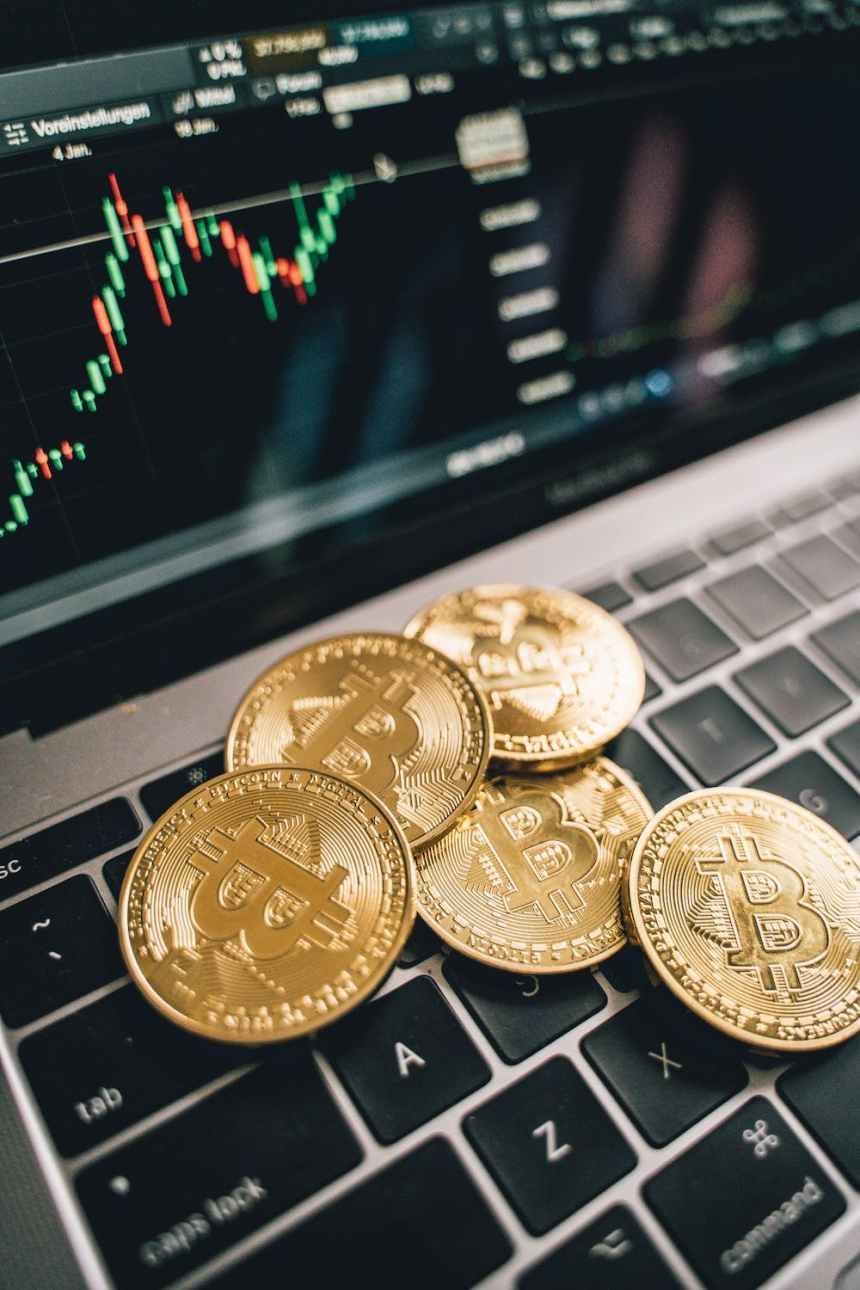
Gareth Soloway of Verified Investing warned that bitcoin could fall about 38% to $50,000 if it fails to break above $85,000, citing a bear flag pattern. In an interview with David Lin, Soloway also pushed his recession outlook to 2027, linked to sustained spending on artificial intelligence by major technology firms, and said he remains short the S&P 500 while gradually adding exposure.
Soloway drew a comparison between today’s market and conditions in 2000, noting that the Nasdaq has pierced 25,000, similar to how it pierced 5,000 before topping out. He described the current environment as a late-stage bull market in which a small number of names support index levels while other sectors lag.
He pointed to the IGF expanded tech software exchange-traded fund (ETF) as an example of that divergence. Even as the index reached all-time highs, the ETF has fallen roughly a fifth of its value in 2026.
Soloway said he remains short the S&P 500, but is “legging in” gradually rather than taking full exposure at once. His first downside target is former all-time high resistance, which he said has turned into technical support. He added that a deeper selloff could eventually bring the index back toward the midpoint of its parallel channel from COVID-era lows.
On the macro outlook, Soloway moved his recession call to 2027. He attributed the delay to roughly $700 billion in annual AI capital spending by mega-cap firms including Meta, Amazon, Google, and Microsoft.
He also referenced remarks by Federal Reserve Chair Jerome Powell at the most recent FOMC meeting, saying Powell acknowledged that data center buildouts are a primary driver of economic activity. Soloway argued that when those companies reduce spending, recession risk increases.
Soloway characterized inflation as a two-part problem. He said the oil-price component—linked to oil trading above $100 a barrel—is likely temporary, with political pressure ahead of the midterms expected to push prices down.
For longer-term inflation, he cited a current rate of around 2.7% and suggested it could settle in a 3% to 4% range, pointing to government spending financed by about $1 trillion in new debt every quarter.
On gold, Soloway said he is trading it as a risk asset. He is neutral on short-term moves and is watching $3,900 as first major support, with $3,500 only becoming relevant if the Nasdaq drops 20% or more. His longer-term view remains bullish, adding that gold should be higher five years from now.
He also emphasized that the 10-year Treasury yield is hovering near 4.5%, which he said signals the bond market is not giving an “all-clear.” Soloway argued that stocks are ignoring that signal, driven by retail inflows and index momentum, and said the divergence is another reason he is adding to short positions on the S&P 500 and the Nasdaq.
Soloway said his bitcoin stance has shifted from bullish to neutral at best and bearish directionally. He described consolidation between $80,000 and $85,000 as a bear flag pattern, similar to one that resolved lower earlier in the cycle.
He said that unless bitcoin clears $85,000, his next downside target is $50,000—about a 38% drop from the current range he cited. He also pointed to structural headwinds for crypto, including what he described as the administration’s handling of coin launches and “rug-pull-style” activity that has damaged trust.
He added that the CLARITY Act moving through Congress offers little clear upside, and that investors who might have allocated to bitcoin have instead been pursuing semiconductors and AI infrastructure plays.
Soloway identified natural gas as his lone near-term buy. He said a breakout above $2.88 could attract capital that rotates out of oil.
He argued that data centers need power, nuclear is not ready, and natural gas is cheap relative to oil—factors that, in his view, make it the most attractive near-term position outside of cash and selective shorts.
Asked which would decline first, Soloway said stocks are more overdue for a drop. However, he added that if the Nasdaq keeps sliding, bitcoin investors will “panic,” causing the cryptocurrency to “play catch-up fast.”