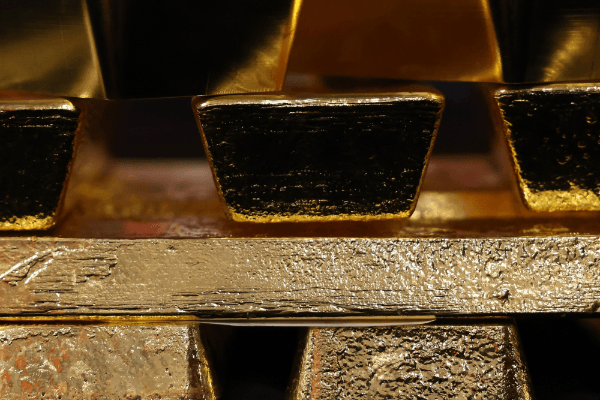
Gold prices moved sharply during Monday’s session (May 11) and closed higher above the key 4,700 USD/oz level at 4,736.5 USD/oz, up 0.44% from last week’s close. Silver rose to 86.22 USD/oz, up 5.75 USD (about 7.15% on the day). On the COMEX futures market, gold futures settled at 4,728.7 USD/oz, largely unchanged from the previous session.
Intraday, spot gold traded in a wide range, briefly dipping below 4,650 USD/oz and climbing above 4,750 USD/oz—an approximately 100 USD/oz swing. The downside pressure weighed on gold in Asia and early European hours, but prices reversed in the US session to reclaim 4,700 USD/oz.
Peace talks between the US and Iran appeared to stall after Washington rejected an Iranian proposal last weekend. President Donald Trump said on Sunday that Iran’s response was “unacceptable.” In remarks at the White House on Monday, Trump said the ceasefire had been “in a critical condition” and “so weak it’s unbelievable” after Iran’s latest proposal.
Analysts said the day’s strength in gold is a positive sign as tensions between the US and Iran resume a pattern that had previously pressured gold lower: war fears lift oil prices, intensifying inflation concerns and keeping central banks hawkish. Brent and WTI crude rose about 3% on the day, with Brent ending above 104 USD per barrel.
Jim Wyckoff of the American Gold Exchange attributed the gold gains to bargain-hunting and traders building gold positions ahead of US inflation data this week, with CPI due Tuesday and PPI due Wednesday.
ING analysts cautioned that obstacles to a US-Iran peace deal could push rates higher for longer, weighing on gold. They nonetheless still see a path to 5,000 USD/oz by year-end, while noting the near-term outlook remains volatile.
This week also includes a two-day visit by President Trump to China and a meeting with President Xi Jinping on May 14–15. In India, Prime Minister Narendra Modi urged citizens to curb gold purchases for a year to protect foreign exchange reserves.