•
•
•
•
•
•
•
•
•
•
•
•
•
•
•
•
•
•
•
•
•
•
•
•
•
•
•
•
•
•
•
•
•


Global energy disruptions linked to the Iran conflict have highlighted the fragility of fossil fuel supply chains, pushing dozens of Asian and African countries to look to nuclear power as an alternative. Asia—particularly reliant on oil and gas imports from the Middle East—faces the heaviest impact, followed by Africa. The United States and Europe are also experiencing pressure as energy costs rise.
According to Euronews, the crisis is leading Asian and African governments to increase nuclear electricity production while finding substitutes for disrupted Gulf oil and gas flows. It is also accelerating plans to develop nuclear power in countries that have not previously built plants, with the aim of improving resilience against future fossil fuel shocks.
Nuclear energy is not an immediate solution. Developing it can take decades, especially for countries new to the technology. However, long-term commitments made now are expected to shape the future energy mix, according to Joshua Kurlantzick of the Council on Foreign Relations.
In Asia, governments are responding in different ways, including increasing output from existing reactors and considering restarts.
South Korea is increasing nuclear generation and accelerating maintenance on five reactors that had been shut down. In Taiwan and Japan, discussions are underway to restart reactors shut down after the Fukushima accident in 2011, when an earthquake and tsunami damaged cooling power.
Taiwan is considering a multi-year process to restart two reactors, involving inspections, safety checks, and verification of control systems.
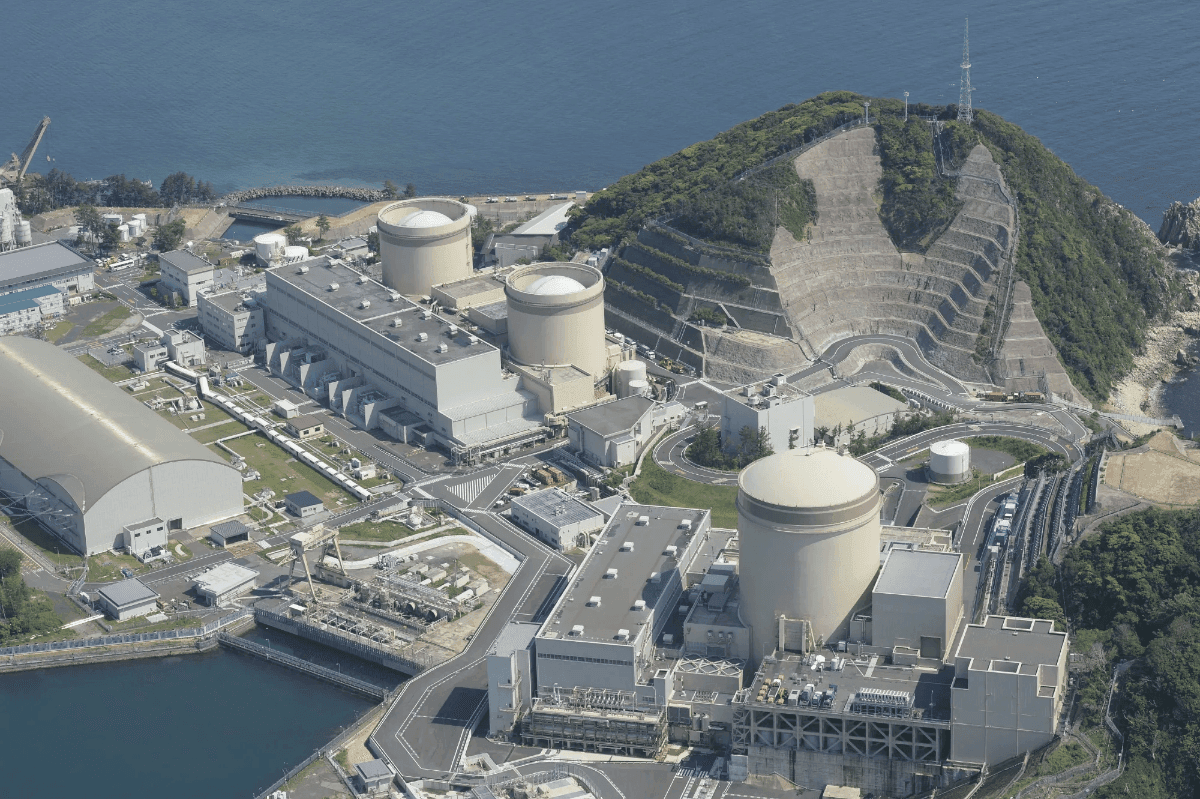
In Japan, since the start of the conflict, Prime Minister Sanae Takai has signed a $40 billion nuclear reactor deal with the United States, a fuel-recycling agreement with France, and pledged nuclear cooperation with Indonesia. Japan also restarted the world’s largest nuclear plant, Kashiwazaki-Kariwa, in January this year.
Nuclear power is generated through fission, such as splitting uranium atoms. Unlike fossil fuels, it does not emit carbon dioxide, but it produces radioactive waste that can be dangerous—one reason many countries remain cautious.
Rachel Bronson of the Bulletin of the Atomic Scientists notes that the Gulf War helped trigger a global “nuclear renaissance” as countries sought substitutes for fossil-fuel market risks. The IAEA estimates that about 31 countries and territories use nuclear energy, supplying roughly 10% of global electricity. An additional 40 countries and territories are considering nuclear technology or planning plants.
Michiyo Miyamoto of the Energy and Financial Analysis Institute says renewables such as wind and solar are more cost-effective and offer stronger energy security. She adds that rising electricity prices, alongside the current fuel crisis, is changing public opinion in Japan about nuclear energy.
In Bangladesh, the government is working to bring new Rosatom-built reactors online, aiming to supply 300 megawatts to the national grid as early as this summer to ease gas shortages.
The Philippines, which recently declared a national energy emergency, is also evaluating reviving a nuclear plant built after the 1973 oil crisis but never operated.
In Africa, Kenya, Rwanda and South Africa have affirmed support for building future reactors. Soaring energy prices and power shortages are driving public calls for nuclear cooperation, with 20 of the region’s 54 countries already having long-term nuclear energy plans.
With Africa viewed as a growth market, nuclear powers including the US, Russia, China, France and Korea are promoting small modular reactors (SMRs) to address energy shortages. SMRs are described as cheaper than large plants, though projects can still take years. Kenya plans to bring an SMR online in 2034, after initiating the first phase in 2009.
Justus Wabuyabo of Kenya’s Nuclear Energy and Electricity Authority said last month that nuclear energy is no longer a distant dream for African nations, describing it as a strategic necessity. At an IAEA summit in March, Rwanda’s President Paul Kagame said Africa would be “one of the world’s most important global markets” for SMRs in the coming years.
SMRs are being positioned as a response to rising electricity demand, weak grids, and over-reliance on imported diesel in Africa.
South Africa, which hosts Africa’s only nuclear power plants, wants nuclear’s share in the energy mix to rise from about 5% today to 16% by 2040. Loyiso Tyabashe of South Africa’s Nuclear Energy Corporation says SMRs could help South Africa lead in advanced nuclear technologies.
Euronews also highlights growing US-Russia influence competition in Africa’s nuclear field. Rosatom is constructing Egypt’s first reactor and has cooperation deals with Ethiopia, Burkina Faso, Ghana, Tanzania and Niger, including projects such as a nuclear research center, uranium processing facilities, and training programs. Meanwhile, only Kenya and Ghana are participating in the US-led SMR initiative, which the report says puts pressure on Washington to catch up with Moscow.
The US and Korea backed a nuclear conference in Nairobi last month. A US State Department official said Washington is working with African nations to rapidly develop safe civilian nuclear reactors. Ghana, planning to begin construction of a plant in 2027, is seeking foreign suppliers.
Despite growing interest, the report highlights risks including accidents, waste-management challenges, and the potential for nuclear routes to weapons development.
Ayumi Fukakusa of Friends of the Earth Japan said nuclear energy is “very risky” and could leave countries dependent on imported fuels such as uranium enrichment. Rex Amancio of the Global Renewable Energy Alliance argued that governments should prioritize expanding renewables to ensure long-term energy security, noting that nuclear development takes many years.
Bronson also warned that nuclear plants can become targets during conflicts, citing instances where reactors were targeted during the US-Iran war and the Russia-Ukraine conflict. She said countries are weighing these risks against others, emphasizing that Asia and Africa are primarily concerned about what could happen if crude oil and natural gas supplies are cut off.




Premium gym chains are entering a “golden era” that is ending or already in decline, as rising operating costs collide with shifting consumer preferences toward more flexible, community-based ways to exercise. Long-term memberships are shrinking, margins are pressured by higher rents and facility expenses, and competition from smaller, more personalized…