•
•
•
•
•
•
•
•
•
•
•
•
•
•
•
•
•
•
•
•
•
•
•
•
•
•
•
•
•
•
•
•
•


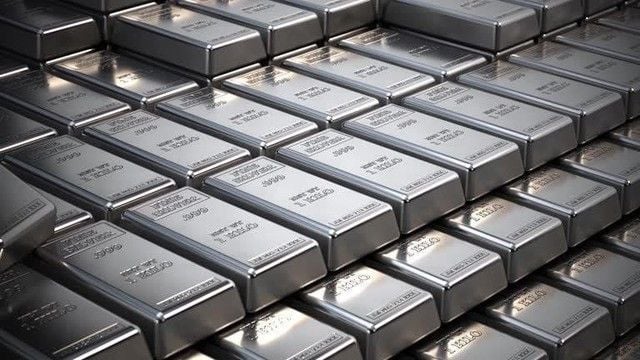
According to the latest update, the world’s largest silver fund, BlackRock, via the iShares Silver Trust (SLV), bought a net 35.6 tonnes of silver on May 11. After two consecutive days of accumulation, total purchases rose to nearly 58 tonnes, marking a reversal from the previous streak of net selling. The fund now holds about 15,080 tonnes of silver, equivalent to roughly $42 billion in value.
The return to heavy buying by SLV came as silver prices surged about 6%, rising to around $86 per ounce, a near two-month high and outperforming gold.
Market sentiment improved as investors tracked negotiations between the US and Iran. The market also focused on US CPI data due on May 12 and Donald Trump’s upcoming visit to China to meet President Xi Jinping to discuss Iran, AI, and nuclear weapons.
Unlike gold, which mainly benefits from macro uncertainty, silver is also an industrial metal. About 60% of global silver demand comes from industrial use, with the metal widely used in solar cells, electric vehicles, semiconductors, and electronics. The solar energy sector alone accounts for nearly 30% of global industrial silver demand.
As demand continues to expand, supply has not kept up due to slower mining output relative to the pace of new tech developments. The persistent shortage over the years is cited as a reason silver price often reacts more strongly than gold when economic and production outlook improves.
Another signal investors monitor is the gold-to-silver ratio, which has fallen rapidly from above 62 to around 55 in a short period. This development usually indicates silver is entering a period of stronger outperformance relative to gold in the commodity cycle.
Many analysts believe that if the current trend persists, silver could target the $95 per ounce region, potentially testing the $100/oz psychological level in the near future. The market is now watching US inflation data and the official results from Beijing talks to confirm whether silver is indeed entering a new bull market.

Premium gym chains are entering a “golden era” that is ending or already in decline, as rising operating costs collide with shifting consumer preferences toward more flexible, community-based ways to exercise. Long-term memberships are shrinking, margins are pressured by higher rents and facility expenses, and competition from smaller, more personalized…