•
•
•
•
•
•
•
•
•
•
•
•
•
•
•
•
•
•
•
•
•
•
•
•
•
•
•
•
•
•
•
•
•


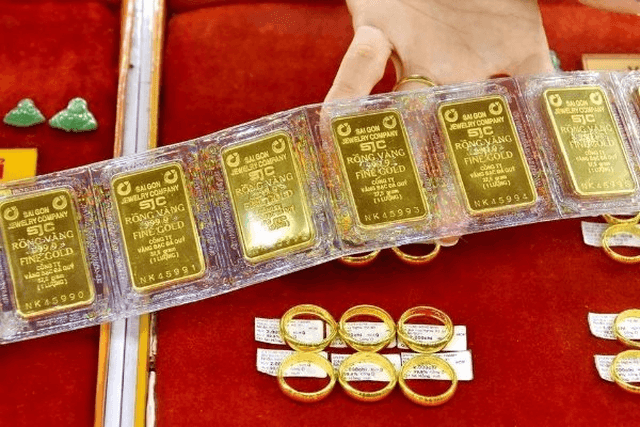
As of the afternoon of May 13, gold bar prices and jewelry gold prices at several Vietnamese brands declined, with the drop reported at around 500,000 VND per tael. On the international market, spot gold was hovering around 4,700 USD/ounce, down about 20 USD/ounce from earlier in the day.
By around 9:00 a.m., gold bar prices had fallen by about 500,000 VND per tael compared with the end of the previous day.
Late on May 12, gold prices rose nearly 100 USD/ounce and again moved above 4,700 USD/ounce. By the afternoon of May 13, spot gold was around 4,700 USD/ounce, down about 20 USD/ounce from the morning, with the spot price reported at 4,724 USD/ounce.
Gold has found it difficult to break above 4,700 USD/ounce sustainably amid pressure from new U.S. economic data pointing to a challenging path for rate cuts. The article cited hotter-than-expected U.S. inflation, rising yields, and a stronger U.S. dollar, which together reduce safe-haven demand for gold.
According to Kitco News, inflation signals are mixed for precious metals: persistent price pressures reinforce gold’s safe-haven role, but higher yields and a stronger USD limit gains. The report also noted that silver has been outperforming gold, supported by its dual role as an industrial metal and a monetary asset.
The U.S. Senate’s approval of Kevin Warsh to the Federal Reserve’s Board of Governors, with a 51-45 vote, was also cited as adding some risk mitigation to the independence of Fed policy, which can support gold prices. However, the immediate impact may be limited if markets have not already priced in expectations that Fed leadership could change and push real rates lower.
For broader financial markets, the vote could shift investor focus toward Fed credibility, the dollar’s trajectory, and long-term U.S. Treasury yields. The article stated that a scenario in which Warsh becomes Fed Chair could support stock markets if expectations for rate cuts rise, while gold would benefit more if confidence in the Fed’s ability to control inflation weakens.
The next notable U.S. data highlighted in the article is the April CPI release at 8:30 a.m. Eastern Time, followed by producer and import/export price data at the same time on Thursday. These figures are expected to help markets gauge whether the April energy price shock is spilling over into producer margins and traded commodity prices.
Premium gym chains are entering a “golden era” that is ending or already in decline, as rising operating costs collide with shifting consumer preferences toward more flexible, community-based ways to exercise. Long-term memberships are shrinking, margins are pressured by higher rents and facility expenses, and competition from smaller, more personalized…