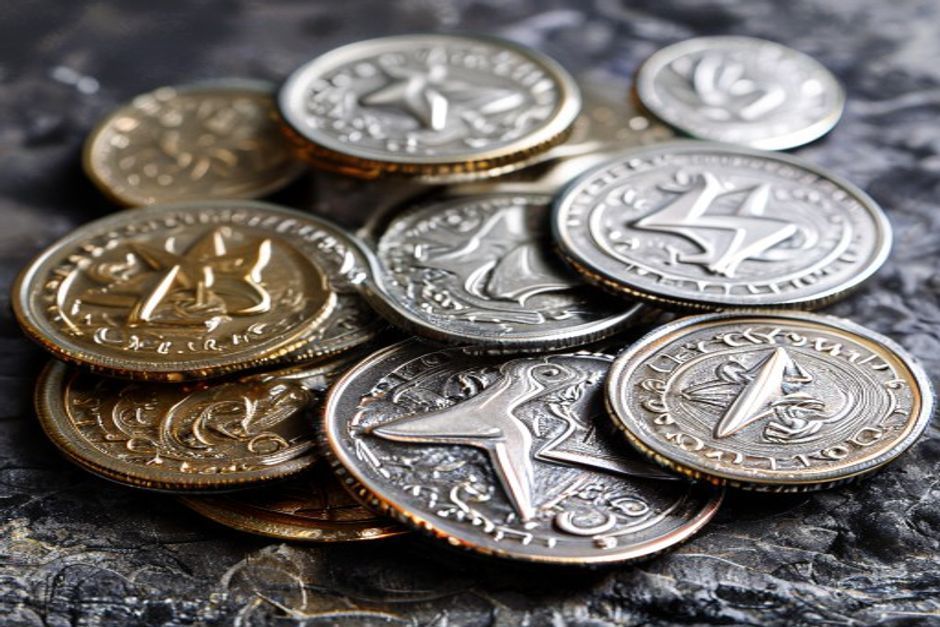
Gold prices fell more than 2% to a near four-week low on 28 April, as inflation concerns increased following President Donald Trump’s expressed dissatisfaction with Iran’s latest proposal to end the war. Investors also looked ahead to the Federal Reserve’s policy meeting this week.
Spot gold dropped 2.4% to $4,570.34 per ounce. US gold futures for June fell 2.3% to $4,584.70 per ounce.
Peter Grant, Vice President and Senior Metals Strategist at Zaner Metals, said the move reflected a “renewed a bearish outlook for peace efforts in the Middle East.” He noted that the Trump administration rejected Iran’s latest proposal, leaving the strait closed.
Grant added that this also pushed oil higher and raised inflation fears ahead of the FOMC meeting, contributing to gold’s decline to its four-week low.
An American official said Trump was unhappy with Iran’s latest proposal to resolve the conflict, reducing hopes for a peace agreement. The conflict has disrupted energy supply, pushed inflation higher, and caused significant casualties.
Oil rose more than 3% as efforts to end the Iran conflict stalled, keeping the Hormuz Strait largely closed and tightening Middle East supply. The UAE also announced it would leave OPEC and OPEC+.
With crude oil at elevated levels, inflation pressure remains a key concern, increasing the likelihood that interest rates stay high. While gold is often viewed as an inflation hedge, higher rates reduce the appeal of the non-yielding asset.
Markets expect the Fed to hold rates at 3.50%–3.75% after the two-day meeting ends on Wednesday. Investors will also monitor Chair Jerome Powell’s remarks at the final press conference before he steps down to likely successor Kevin Warsh.
Policy decisions from other major central banks this week—including the European Central Bank, Bank of England and Bank of Canada—are also expected to influence sentiment.
China, the world’s biggest gold consumer, imported a net 47,866 tonnes of gold from Hong Kong in March, up from 46,249 tonnes in February, according to data released by the Hong Kong Census and Statistics Department on 28/04.