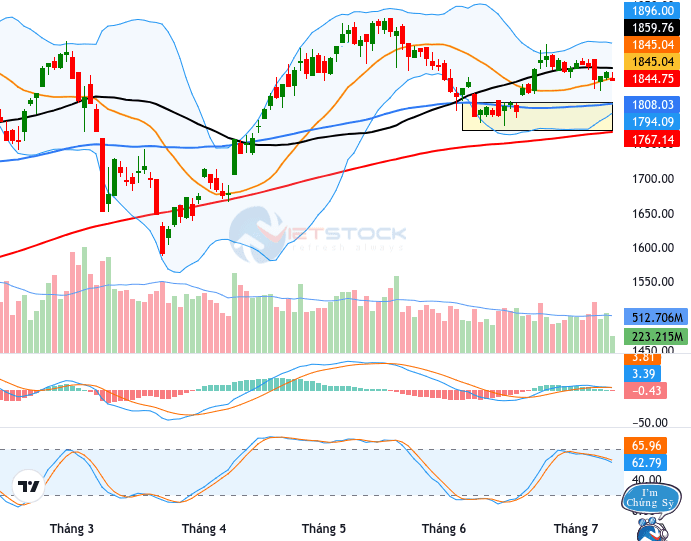
Gold drifted lower on Friday and remained on course for a sharp weekly loss, as higher oil prices, a firmer US dollar and rising Treasury yields reduced the appeal of bullion despite ongoing geopolitical tensions in the Middle East.
Spot gold was last near $4,675 an ounce, after trading at $4,697.06 in the previous session and easing further toward the $4,700 level. The move leaves the metal under pressure following a retreat from recent record highs, with investors increasingly focused on the inflationary impact of energy markets rather than gold’s traditional safe-haven role.
Crude prices were the main driver of pressure on bullion. Oil climbed amid concerns about tighter supply and stickier inflation linked to the US-Iran conflict and repeated disruption around the Strait of Hormuz.
Brent crude surged to $105 a barrel, reflecting market worries over a ceasefire collapse and renewed shipping disruption.
That matters for gold because higher oil tends to lift inflation expectations and reduce the likelihood of near-term interest-rate cuts. A Reuters poll indicated the Federal Reserve may need to wait at least six months before cutting rates, as war-driven energy costs feed through to prices and reinforce a higher-for-longer rates narrative.
For gold, the combination is difficult: while inflation risk can support demand, higher yields and tighter policy expectations often weigh more heavily.
The US dollar also weighed on precious metals. A stronger dollar makes dollar-priced bullion more expensive for buyers using other currencies, weakening overseas demand. At the same time, rising Treasury yields increase the opportunity cost of holding gold, which does not pay interest.
With oil intensifying inflation concerns, the market view that US borrowing costs may remain elevated for longer has gained support.
Spot gold hovered near $4,675 on Thursday, staying below the $4,900 level. Data for April 23 showed gold at $4,693.48, reinforcing the pullback toward the $4,700 area.
Overall, the price action points to consolidation after a strong rally, rather than a market with easing macro concerns. Gold is facing profit-taking, support from a stronger dollar and upward pressure on yields, while oil remains the key variable for inflation and rate expectations.
Other precious metals also softened, reflecting pressure across the complex as investors rotated toward yield-bearing assets.