•
•
•
•
•
•
•
•
•
•
•
•
•
•
•
•
•
•
•
•
•
•
•
•
•
•
•
•
•
•
•
•
•


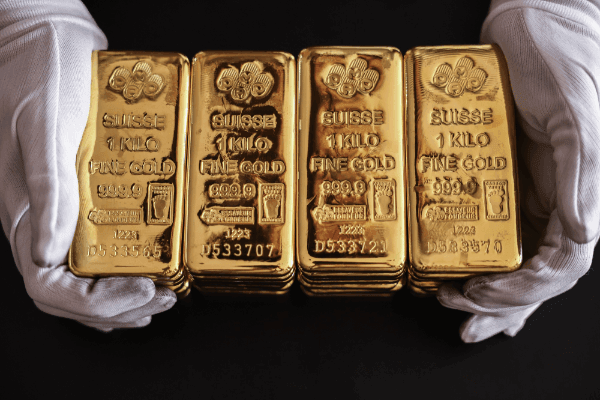
Gold prices fluctuated during Tuesday's session (April 22) and then declined in the morning of April 23 as crude oil prices and the USD exchange rate continued to rise amid fresh tensions in the US–Iran conflict. The SPDR Gold Trust, the world's largest gold ETF, posted a notable net selling, signaling investor sentiment that is somewhat bearish on near-term gold price prospects. At the close of New York trading on Tuesday, spot gold settled at 4,740.9 USD per ounce, up 18.8 USD per ounce from the previous session close, equivalent to a 0.4% gain, according to data from Kitco. Spot silver ended at 77.82 USD/oz, up 1.03 USD/oz, or 1.3%. On the COMEX futures market, gold for delivery in June rose 0.7%, settling at 4,753 USD/oz. Analysts say this resurgence reflects a rebound from a more than 2% drop in the prior session. However, gains were capped as crude oil and the dollar strengthened. Oil prices remained on a strong uptrend after Iran said it captured two ships in the Hormuz Strait, shortly after President Donald Trump extended the US–Iran ceasefire. Brent crude futures in London settled above 101.91 USD per barrel. U.S. WTI crude rose more than 3% to finish at 92.96 USD per barrel. The market anticipates that the ceasefire extension may not necessarily unclog crude flow through the Hormuz Strait. The flow of oil through this lifeline remains limited as shippers face risks. The IRGC announced it had seized two container ships attempting to pass through the Hormuz Strait 'without permission,' according to state news agency Tasnim. Meanwhile, the United States continues to maintain its naval blockade on Iran during the ceasefire. The Dollar Index, which measures the USD against a basket of six major currencies, rose 0.21% to finish at 98.61. Although it has not recovered much since the US–Iran conflict began, the USD still benefits from the prospect that the Fed will keep rates higher for longer to counter inflationary pressures from higher oil prices. Moreover, persistent high oil prices keep global inflation fears elevated, raising the likelihood that major central banks will raise rates. All these FX and rate factors are not favorable for gold, an asset denominated in USD that yields no interest. Since the start of the US–Iran conflict, gold has fallen about 11%.



Premium gym chains are entering a “golden era” that is ending or already in decline, as rising operating costs collide with shifting consumer preferences toward more flexible, community-based ways to exercise. Long-term memberships are shrinking, margins are pressured by higher rents and facility expenses, and competition from smaller, more personalized…




