•
•
•
•
•
•
•
•
•
•
•
•
•
•
•
•
•
•
•
•
•
•
•
•
•
•
•
•
•
•
•
•
•


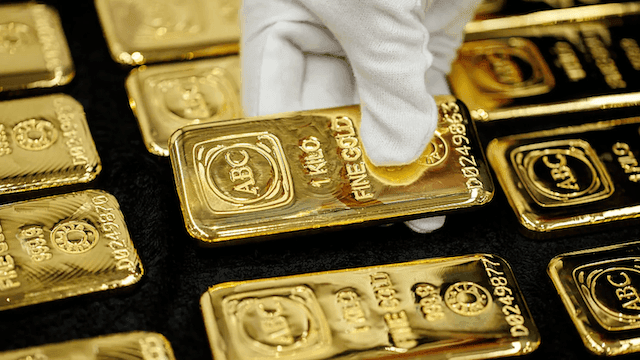
Gold prices rose on April 16 as hopes for a peace agreement between the United States and Iran eased inflation concerns and improved prospects for lower interest rates. The spot price increased 0.6% to $4,816.14 per ounce as of 9:00 a.m. ET (13:00 GMT), after reaching a one-month high in the previous session. U.S. gold futures for June delivery were up 0.3% at $4,838.10 per ounce.
As geopolitical tensions cooled, inflation pressures eased, supporting expectations that the Federal Reserve could cut rates later this year and boosting demand for non-yielding gold, said David Meger, director of metals trading at High Ridge Futures.
Optimism also grew that the Iran conflict could be nearing an end. A key intermediary from Pakistan reportedly made a breakthrough on key issues, according to a source, though Iran warned that the fate of its nuclear program remains unresolved.
Gold had initially fallen when the U.S. and Israel launched strikes on Iran in late February. Liquidity pressures and rising inflation fears linked to surging energy prices pushed markets away from expectations of rate cuts. As a non-yielding asset, gold typically faces reduced appeal when interest rates are high.
Traders are currently pricing in about a 36% chance that the U.S. will cut rates this year.
U.S. Treasury Secretary Scott Bessent said the economy is expected to slow in the quarter due to the Iran war but remains in good shape and should recover. He also noted that oil prices are not expected to pressure inflation.
In other metals, spot silver rose 0.3% to $79.27 per ounce. The silver market remains on track for a sixth consecutive year of structural deficits, with 762 million troy ounces drawn from inventories since 2021, which Metals Focus said increases liquidity risk despite expectations of weaker demand.
Platinum rose 0.9% to $2,129.55 per ounce, while palladium increased 0.3% to $1,578.06 per ounce.







Premium gym chains are entering a “golden era” that is ending or already in decline, as rising operating costs collide with shifting consumer preferences toward more flexible, community-based ways to exercise. Long-term memberships are shrinking, margins are pressured by higher rents and facility expenses, and competition from smaller, more personalized…




