Gold prices rose on May 5 after retreating to the lowest level in more than a month in the prior session, as investors weighed a fragile ceasefire in the Middle East and the conflict’s implications for inflation and rate expectations.
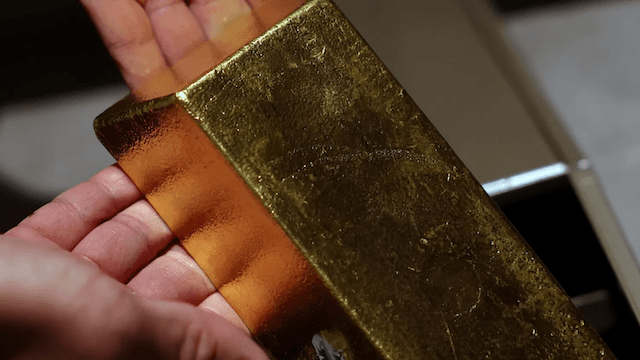
Spot gold rose 0.8% to $4,557.56 per ounce after hitting its lowest level since March 31 in Monday’s session. US gold futures also edged up 0.8% to $4,568.50 per ounce.
“We are seeing a capitulation rally after the recent selloff, while fading oil prices are also supporting the market. The market will continue to monitor news developments, but could gradually shift focus to economic data,” said Jim Wyckoff, a market analyst at American Gold Exchange.
Wyckoff added that buyers need a solid fundamental catalyst to regain upside momentum.
The UAE said it had been attacked by missiles and drones from Iran, while Washington said the ceasefire remained in place after earlier clashes as the US sought to reopen the Hormuz Strait.
The Strait is a critical shipping route for oil, fertilizers and other goods, and has been nearly closed since attacks began on February 28, contributing to higher global commodity prices.
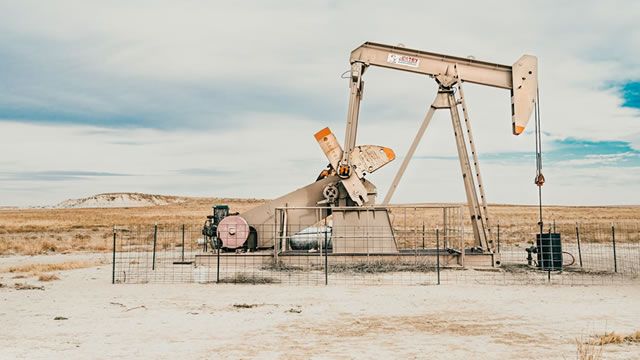
Oil prices fell on May 5, though declines were limited. The high level of energy prices continues to raise inflation concerns and could delay central banks’ easing cycles.
Although gold is typically viewed as a safe-haven asset against inflation and uncertainty, its appeal has weakened in a high-rate environment, as rising yields make nonyielding assets less attractive.
Fawad Razaqzada, a strategist at City Index, said safe-haven demand remains, but its impact has weakened as gold is increasingly traded as a risk-on asset. He also noted that demand for inflation hedging, along with ongoing central-bank purchases, has helped limit gold’s downside.
This week, the US jobs report for April is expected to be a key factor in assessing whether the economy can sustain the Fed’s current monetary policy, or whether a weakening labor market increases the likelihood of rate cuts.