•
•
•
•
•
•
•
•
•
•
•
•
•
•
•
•
•
•
•
•
•
•
•
•
•
•
•
•
•
•
•
•
•



Gold prices reversed sharply on May 12, with the domestic market turning lower in the afternoon after an earlier rally. At the same time, international gold prices fell from a two-session rise, narrowing the gap between domestic and world quotations.
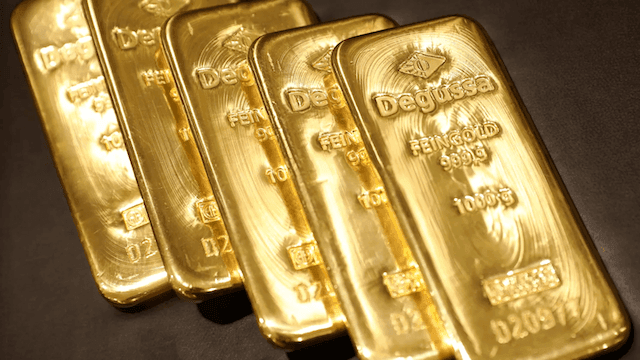
In the early afternoon, Saigon Jewelry Holding Company (SJC) and many large gold traders quoted SJC bullion at 162.5 million dong per tael (buy) and 165.5 million dong per tael (sell), up only 300,000 dong on each side versus the previous close. Gains had narrowed significantly compared with the morning session.
Earlier in the morning, SJC bullion increased by as much as 1.8 million dong per tael, reaching the 164–167 million dong per tael range. A similar movement was seen for the 9999 gold bar product, though the adjustment was softer.
Currently, 24K plain gold bars at SJC were trading around 162.3–165.3 million dong per tael, up 600,000 dong per tael from the previous day. In contrast, the morning session had pushed prices to 163.5–166.5 million dong per tael, a gain of about 1.6 million dong.
At Mi Hồng, plain and bullion SJC gold bars were raised by 500,000 dong per tael on the buy side, but the selling price remained unchanged at 163–164.5 million dong per tael. As a result, bullion prices there were about 1 million dong per tael higher on the sell side than SJC’s own price, and as much as 2 million dong per tael higher than prices at other firms including Phú Quý, Bảo Tín Minh Châu, Bảo Tín Mạnh Hải, and Doji.
On the international market, gold prices reversed after a two-session rally, trading around 4,697 USD/ounce, down about 37 USD/ounce from the previous day.
Converted using commercial bank exchange rates, the world price was equivalent to about 149.3 million dong per tael (excluding taxes and fees), down about 1.1 million dong per tael from the last close.
The declines were not synchronized between the two markets, causing the domestic–world price gap to narrow to about 15.8 million dong per tael.
“Foreign gold” is awaiting new catalysts. The world price has been fluctuating around 4,700 USD/ounce. While analysts remain optimistic about gold prices in the second half of the year—citing signs of recovery in investment demand, particularly through ETFs—the short-term market remains vulnerable.
According to the World Gold Council (WGC), global gold ETFs recorded net inflows of 45 tons in April, equivalent to USD 6.575 billion. This represented a reversal from net outflows of 84.3 tons in March. Total gold held by global ETFs rose to 4,137 tons, the third highest on record, just below the 4,176-ton peak reached in February.
In April, Europe led regional buying with nearly 27 tons of gold ETFs purchased, worth about USD 3.7 billion. The WGC said the inflow reflects rising concerns about geopolitical risk, including inflationary pressures linked to ongoing tensions in Iran and energy price pressures.
However, in the near term, the global gold market could remain range-bound as expectations for rate cuts fade. Without a strong catalyst, the metal may continue to oscillate in a trough between roughly USD 4,550 and 4,700 per ounce.
Long-term momentum has not been broken. Capital from Asia continues to play a key role: ETF inflows in the region totaled more than 11 tons in April, equivalent to USD 1.8 billion, marking the eighth consecutive month of gold buying.
Premium gym chains are entering a “golden era” that is ending or already in decline, as rising operating costs collide with shifting consumer preferences toward more flexible, community-based ways to exercise. Long-term memberships are shrinking, margins are pressured by higher rents and facility expenses, and competition from smaller, more personalized…