Gold prices rose for the third consecutive session on May 7, supported by expectations that the United States and Iran could reach a peace agreement. Traders said the prospect of reduced geopolitical risk would ease concerns about inflation and the likelihood that interest rates remain higher for longer.
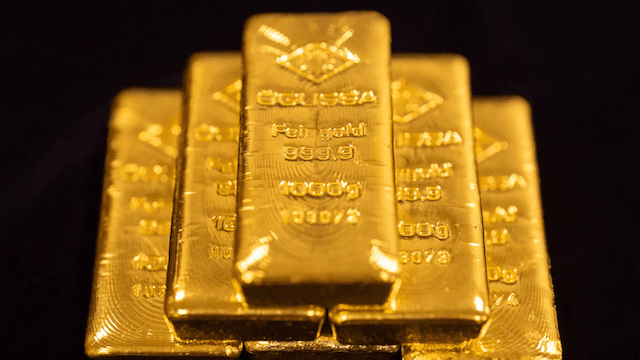
Spot gold gained 1.1% to $4,740.42 per ounce after reaching a two-week high earlier in the session. U.S. gold futures rose 1.2% to $4,749.20 per ounce.
“The ceasefire, if maintained and we can end this war and reopen the Hormuz Strait, I can see gold moving toward $5,000/oz,” said Bob Haberkorn, Senior Market Strategist at RJO Futures. He added that the market is watching both the Middle East situation and the path the Federal Reserve is weighing.
U.S. President Donald Trump predicted the war with Iran would end soon, citing Tehran’s consideration of a U.S. peace proposal. Sources said the proposal would formally end the conflict, but would still require Iran to halt its nuclear program and reopen the Hormuz Strait.
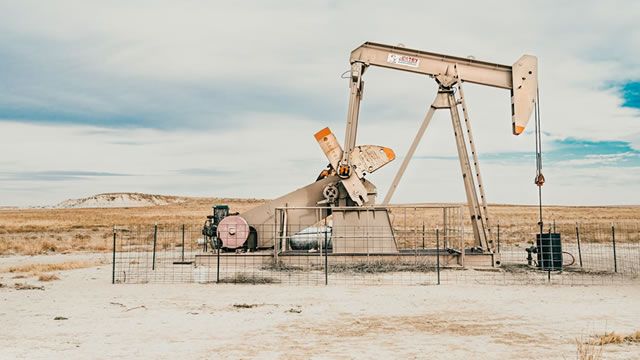
Oil prices continued to fall, with Brent crude trading below $100 a barrel. Higher energy costs typically raise inflation, which can reduce the incentive for policymakers to cut rates. While gold is often seen as an inflation hedge, it can be less attractive in a higher-rate environment because it does not yield.
TD Securities said in a report that gold still has room to rise above $5,200 per ounce as the conflict and oil-related inflation pressures ease. The firm said a shift toward the Fed’s maximum employment goal, lower yields and a weaker dollar—along with renewed demand from investors and central banks—could restart the uptrend.
The market is also awaiting the monthly U.S. jobs report due on Friday to assess how the Fed will conduct monetary policy this year.
China’s central bank bought more gold in April for the 18th consecutive month.