•
•
•
•
•
•
•
•
•
•
•
•
•
•
•
•
•
•
•
•
•
•
•
•
•
•
•
•
•
•
•
•
•


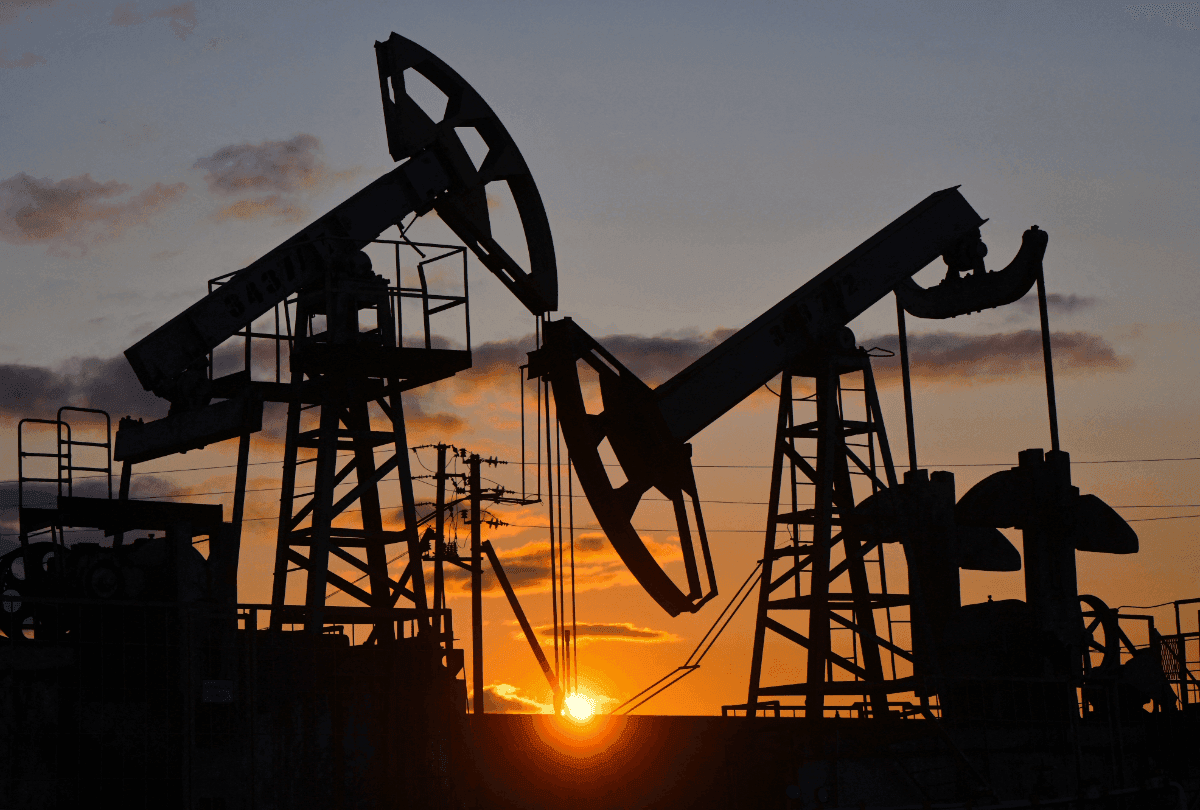
The war in the Gulf and the broader confrontation between the United States and Iran have begun to reshape the global energy system, senior executives of leading oil and gas companies said as they reported first-quarter 2026 results.
Executives said the closure of the Hormuz Strait has disrupted supply by roughly 1 billion barrels of oil, tightening the global oil market as the sea lane remains blocked. Olivier Le Peuch, CEO of SLB, described the disruption as a reminder of the fragility of the global energy system.
Baker Hughes CEO Lorenzo Simonelli said the Hormuz blockage will drive structural changes across the energy industry. He and other executives said governments and the energy sector will place a higher priority on energy security, moving the issue beyond discussion.
Halliburton CEO Jeffrey Miller said the oil market is now “basically tighter” due to supply disruptions from the Middle East. He added that the market has shifted from expectations of a surplus this year to expectations of a large supply shortfall.
Executives cited expectations of increased spending in the sector. According to CNBC, the CEOs said investment in oil and gas exploration and production will rise as a result of the crisis.
They also said low-carbon energy solutions—including geothermal, nuclear, and grid modernization—will continue to attract capital.
Oilfield services executives said governments are expected to diversify energy supply and rebuild oil inventories depleted by the war. Simonelli said there will be a rebuilding of oil stockpiles worldwide to exceed historic averages to prioritize energy security.
The closure of Hormuz has highlighted Asia’s dependence on the Middle East for crude oil and liquefied natural gas. Exxon Mobil CEO Darren Woods said countries will reassess their energy security posture to ensure they are not affected to the same extent as now.
Diamondback Energy CEO Kaes Van’t Hof said U.S. light crude will become more important for energy security. He added that U.S. crude exports have reached record highs since the war with Iran began.
Le Peuch said the current outlook should support oil prices staying high even after the war ends. He added that higher prices would incentivize investment in offshore drilling projects and deep-water areas in Africa, the Americas, and Asia.
SLB’s CEO said Africa is one of the most attractive long-term opportunities, citing a substantial yet-to-be-developed oil and gas resource base. He said the company expects portfolio allocations to shift more positively toward the region over time.
Premium gym chains are entering a “golden era” that is ending or already in decline, as rising operating costs collide with shifting consumer preferences toward more flexible, community-based ways to exercise. Long-term memberships are shrinking, margins are pressured by higher rents and facility expenses, and competition from smaller, more personalized…