•
•
•
•
•
•
•
•
•
•
•
•
•
•
•
•
•
•
•
•
•
•
•
•
•
•
•
•
•
•
•
•
•
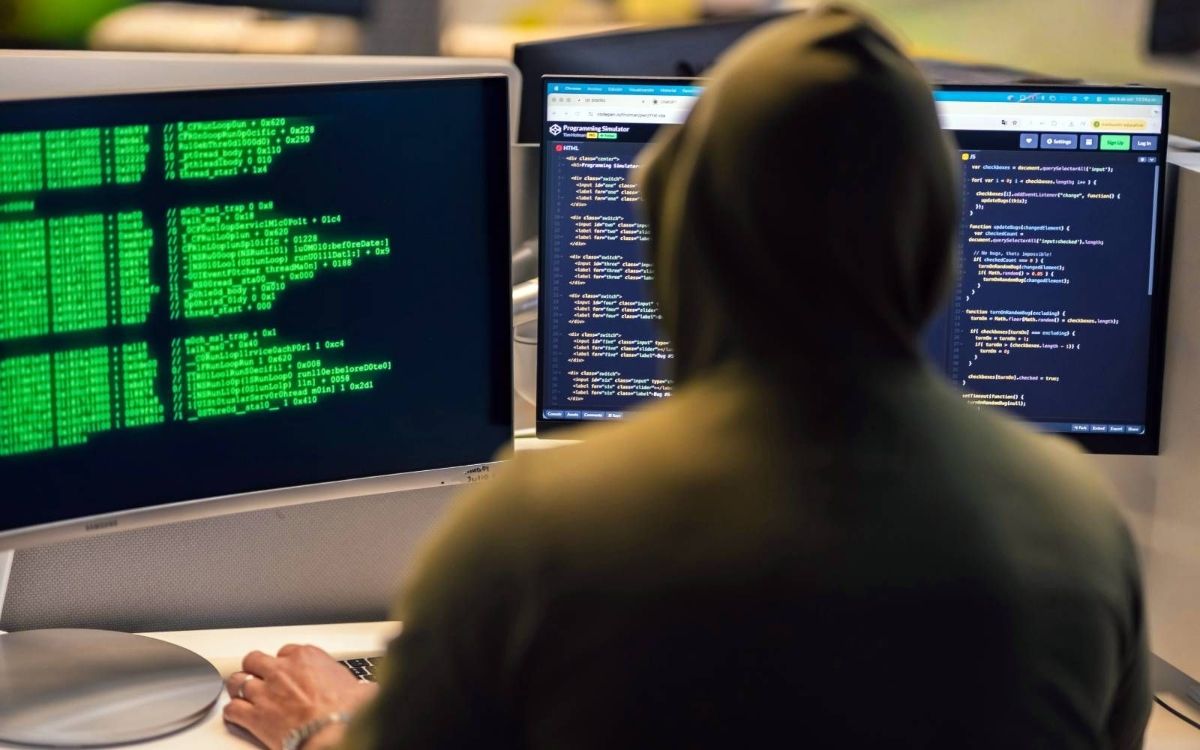
Time for hackers to infiltrate and harvest corporate data has shortened dramatically, with insights shared at a cybersecurity and resilience conference in the AI era indicating the average window has fallen from 386 days to just a few hours.
Speakers said AI is accelerating cyberattacks by enabling phishing emails, deepfake videos, voice cloning, and malware development. It is also helping attackers find and exploit vulnerabilities faster and at lower cost.
Yair Bar-Touv, a board member and chair of the Cyber Security Committee at Clal Insurance Enterprises Holdings, said AI can reach a 72% success rate in attacks, far above earlier generations. He cited an example in which AI revealed a vulnerability in the OpenBSD operating system that had existed for 27 years—previously viewed as a symbol of security.
Nam Hoang Nam, head of Financial Insurance at Marsh Vietnam, said attackers previously needed more than a year to “lie in wait,” but AI compresses that period into hours. He added that this shift is forcing the insurance industry to adapt, noting that cybersecurity is no longer only a financial shield but also a factor in enabling faster recovery after major losses.
Experts highlighted a sharp decline in the time between vulnerability disclosure and first exploitation:
Sergej Epp, founder of the platform monitoring these vulnerabilities, warned that patches can be reverse-engineered quickly to craft exploits in minutes, and that attacks can spread worldwide within hours. He also noted that many vulnerabilities have been weaponized before official disclosure.
Chandramouli Dorai of Zoho said breaches can cascade beyond one organization, affecting customers, partners, and the broader supply chain.
Global estimates for 2024 suggest a shortfall of around five million cybersecurity professionals. That gap could rise to roughly 85 million by 2030, with the Asia-Pacific region facing the greatest pressure.
Given the expectation that breaches can occur at any time, experts said organizations should strengthen incident response and recovery capabilities. They also recommended shifting toward a proactive, AI-enabled security posture, including continuous testing of software built with no-code and low-code tools to improve resilience.
In Vietnam, where digital transformation is underway, demand for information security and risk governance is rising. The article also notes that Hanoi is planned to have a Cyber Security Center by 2027, and that three Vietnamese cybersecurity firms are included in the world’s top 50.








Premium gym chains are entering a “golden era” that is ending or already in decline, as rising operating costs collide with shifting consumer preferences toward more flexible, community-based ways to exercise. Long-term memberships are shrinking, margins are pressured by higher rents and facility expenses, and competition from smaller, more personalized…