•
•
•
•
•
•
•
•
•
•
•
•
•
•
•
•
•
•
•
•
•
•
•
•
•
•
•
•
•
•
•
•
•


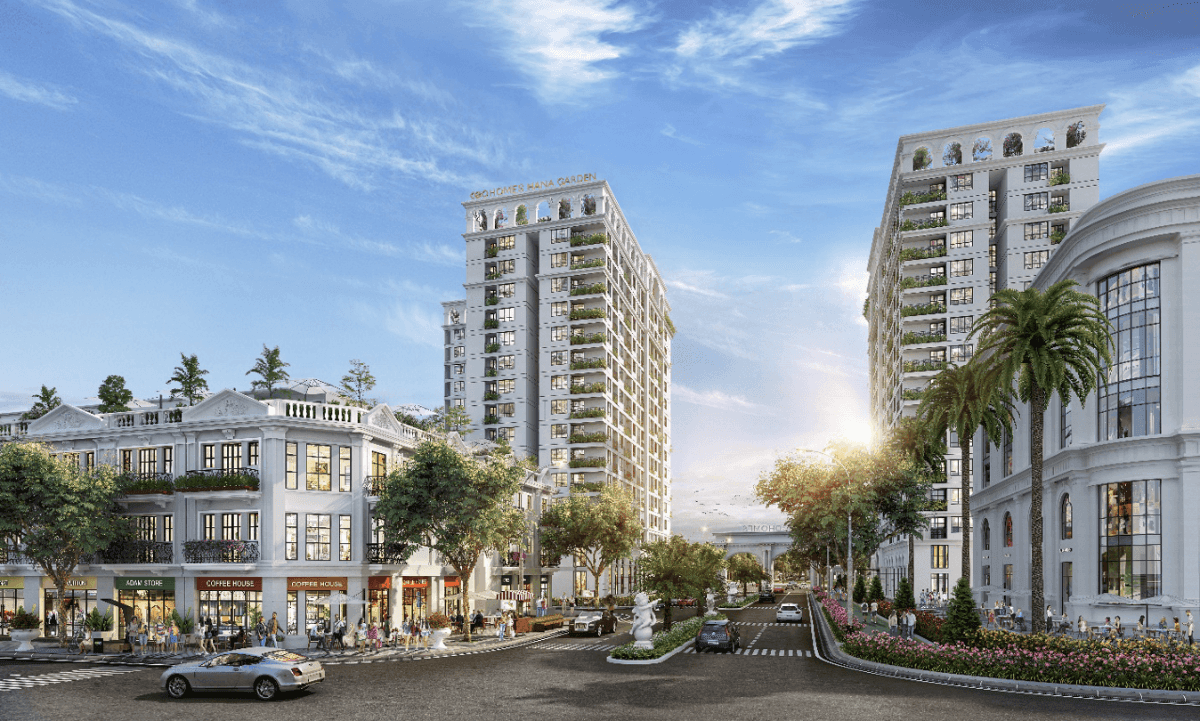
On April 17, 2026, CEO Group broke ground on CEOHomes Hana Garden, an integrated urban development in Quang Minh commune, Hanoi. The project spans 20.3 hectares and is designed with synchronized technical and social infrastructure, providing 511 low-rise housing units, two commercial towers, and four social housing towers to address both near-term housing needs and mid- to long-term investment demand.
The development is positioned in a favorable area, with one side abutting National Highway 23B and nearly 1 km of Me Linh Avenue frontage at 100 meters. It is also adjacent to the regional administrative center. From the site, residents can reach central Hanoi in about 25 minutes by car, Noi Bai International Airport in about 15 minutes, and nearby industrial zones.
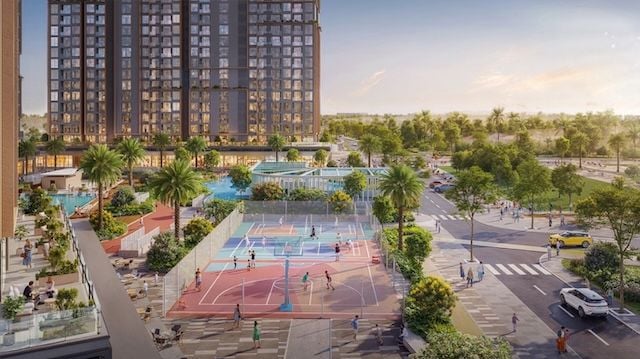
CEOHomes Hana Garden includes a full set of internal amenities, such as a school; a multipurpose sports complex featuring tennis, pickleball, and basketball; a swimming pool; a children’s playground; a clubhouse; a supermarket; offices; parking; and community spaces. These community areas include a flower park combined with an outdoor gym, a sculpture garden, a free green library, and an ecopath. The project’s “all-in-one” model is intended to support a lifestyle that integrates living, learning, working, and resting within walking distance.
Doan Van Bình, Chairman of CEO Group, said the project’s trading name “Hana Garden” (“Flower Garden”) reflects the goal of creating a beautiful, green, and livable living space—where each home is both an asset and a “happy home,” connected to a civilized community and enduring sustainable values. He added that upon completion, the project is expected to contribute to landscape architecture, improve district infrastructure, support urban decentralization, and supplement housing supply in line with real market demand.
Nguyen Van Sinh, Deputy Minister of Construction, discussed progress in resolving legal obstacles for CEOHomes Hana Garden and other projects. He praised CEO Group’s proactive and serious approach over nearly two decades in pursuing, finalizing legalities, and implementing projects in harmony with Hanoi’s master plan. He said that developing integrated urban areas with synchronized infrastructure will help realize sustainable urban development and improve residents’ quality of life.
Nguyen Thanh Liêm, a member of the Hanoi City Party Committee and a delegate to the Hanoi People’s Council, Secretary of the Quang Minh commune Party Committee, and Chairman of the People’s Council of the commune, said he is confident that once operational the project will help complete the locality’s urban appearance, promote commercial and service development, increase budget revenue, and contribute positively to growth in the northern part of the capital.
Under Hanoi’s development strategy through 2030 with a vision to 2050, the northern bank of the Red River is identified as a new growth space supported by synchronized infrastructure and faster completion. Key transport projects are underway or planned, including Belt Road 4—expected to be operational in 2027; the Me Linh belt of Belt Road 4 (largely completed); Hong Ha Bridge (construction began in 2025); Thuong Cat Bridge (in the planning stage, with plans to connect to northern urban rail networks); and the Me Linh axis, with a planned 100-meter-wide cross-section intended to serve as a backbone for regional development.
The project is positioned as an early phase of a new urban axis in which infrastructure development is expected to attract residents and support the potential for real estate value appreciation.




Premium gym chains are entering a “golden era” that is ending or already in decline, as rising operating costs collide with shifting consumer preferences toward more flexible, community-based ways to exercise. Long-term memberships are shrinking, margins are pressured by higher rents and facility expenses, and competition from smaller, more personalized…




