•
•
•
•
•
•
•
•
•
•
•
•
•
•
•
•
•
•
•
•
•
•
•
•
•
•
•
•
•
•
•
•
•


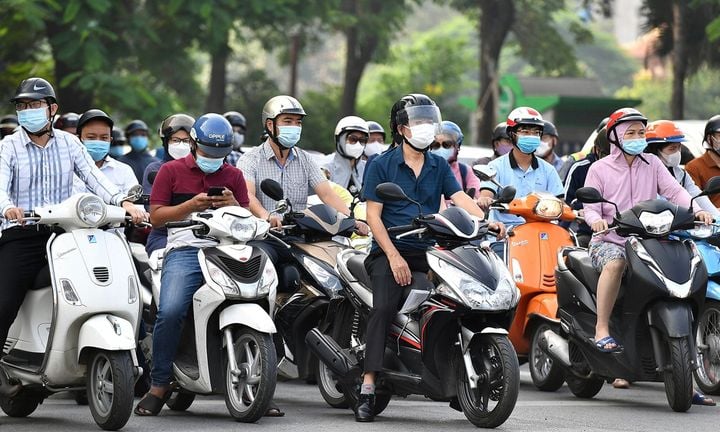
Hanoi plans to control vehicles entering and exiting its low-emission zone by deploying automatic license plate recognition (ANPR) technology alongside a high-accuracy ANPR camera system. The city’s draft plan also outlines a time-based ban on gasoline-powered motorcycles during a pilot period in the core area of Hoan Kiem District.
Hanoi Police Department is responsible for completing the traffic signal system before the low-emission zone pilot begins. The unit will also set special rules on vehicle color codes to identify clean-energy vehicles and develop an ANPR-based framework for area-specific enforcement.
The area-wide low-emission zone is expected to start on July 1. The draft states that synchronized technical infrastructure is intended to enable identification, monitoring, and control of vehicles entering and exiting the zone, supporting enforcement of emission standards, fees, and penalties, as well as detection and handling of violations.
The system’s core is an advanced traffic-monitoring infrastructure, with ANPR technology identified as the key component. ANPR cameras are planned to be installed at all entry and exit points of the low-emission zone to ensure vehicle control within the area.
Recognized vehicle data will be connected to and integrated with related databases, including the city police database, the Department of Construction, and the Department of Agriculture and Environment, forming a centralized, unified, and interconnected management system. Vehicle information will be automatically cross-checked with sector-specific data sources such as the vehicle inspection database, emissions data, and permitted vehicles within the low-emission zone (including domestic vehicles, clean-energy vehicles, exemptions), as well as other citizen data.
The monitoring system is designed to identify and process violations in real time. For vehicles that do not meet emission standards or are not permitted within the low-emission zone, the system will automatically record complete violation information, including the vehicle image, license plate, time, and location. The data will then be transmitted to competent authorities for processing and will also notify the vehicle owner via digital platforms such as VNeTraffic and VNeID.
From July 1 to December 31, 2026, Hanoi will pilot time-based bans on gasoline-powered motorcycles on 11 streets in the core area of Hoan Kiem District. The streets listed are: Trang Tien, Hang Khay, Le Thai To, Hang Dao, Hang Ngang, Hang Buom, Ma May, Hang Bach, Hang Mam, Nguyen Huu Huan, and Ly Thai To.
To ensure effective operation, the plan calls for synchronous upgrading of technical facilities, including traffic signals and signaling systems, along with appropriate vehicle allocation and enforcement protocols before the zone becomes operative. Police, in coordination with the Department of Construction and district authorities, will deploy and maintain the monitoring infrastructure, share data, and address violations.
The rollout is described as phased, beginning in the Hoan Kiem core and expanding outward to Belt 1. The ANPR system will be prioritized and installed at key entry points to support continuous monitoring and full operation from the pilot stage.

Premium gym chains are entering a “golden era” that is ending or already in decline, as rising operating costs collide with shifting consumer preferences toward more flexible, community-based ways to exercise. Long-term memberships are shrinking, margins are pressured by higher rents and facility expenses, and competition from smaller, more personalized…