•
•
•
•
•
•
•
•
•
•
•
•
•
•
•
•
•
•
•
•
•
•
•
•
•
•
•
•
•
•
•
•
•


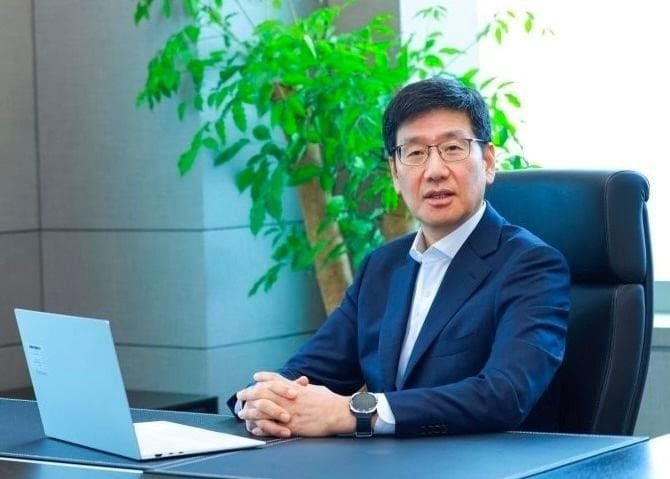
This afternoon in Hanoi, Prime Minister Le Minh Hung and President of the Republic of Korea Lee Jae Myung attended the Vietnam-Korea Economic Forum, themed Elevating industrial partnerships, investment, and science and technology. The event occurred during the state visit to Vietnam by President Lee Jae Myung and his spouse. Samsung Vietnam CEO Na Ki Hong outlined steps to help Vietnamese firms upgrade production and to develop smart factories, aiming to realize a shared prosperity with Vietnam. He also discussed Samsung's plan to intensify talent development in Vietnam. Practical cooperation solutions were debated in AI, energy infrastructure, and related areas, emphasizing a commitment to strengthening the shared prosperity between the two countries. In the forum, delegates signed 73 MOUs across fields such as energy, finance, technology, electronics, telecommunications, processing, manufacturing, mechanical engineering, construction, infrastructure, trade, tourism, and aviation. In recent years, economic and trade cooperation has been a key pillar of Vietnam-Korea relations. In 2025, bilateral trade reached USD 89.5 billion, up 9.6% from 2024. In the first three months of 2026, Vietnam-Korea total trade reached USD 26.9 billion, up 30% year on year. By the end of March 2026, Korea remained the largest investor in Vietnam among 154 investing countries, with registered capital of USD 98.9 billion across 10,447 projects, accounting for more than 23% of projects and 18% of foreign direct investment registered in Vietnam, with investments concentrated in key sectors such as processing and manufacturing, high tech, electronics, automobiles and parts, construction, and real estate, with funds mainly in Bac Ninh, Ho Chi Minh City, Haiphong, Dong Nai, and Thai Nguyen. Korea is Vietnam's number one investor partner; the second-largest source of inbound tourists; the second-highest provider of ODA; the third-largest trading partner; and the third-largest source of labor supply. Read more: link.







Premium gym chains are entering a “golden era” that is ending or already in decline, as rising operating costs collide with shifting consumer preferences toward more flexible, community-based ways to exercise. Long-term memberships are shrinking, margins are pressured by higher rents and facility expenses, and competition from smaller, more personalized…



