•
•
•
•
•
•
•
•
•
•
•
•
•
•
•
•
•
•
•
•
•
•
•
•
•
•
•
•
•
•
•
•
•


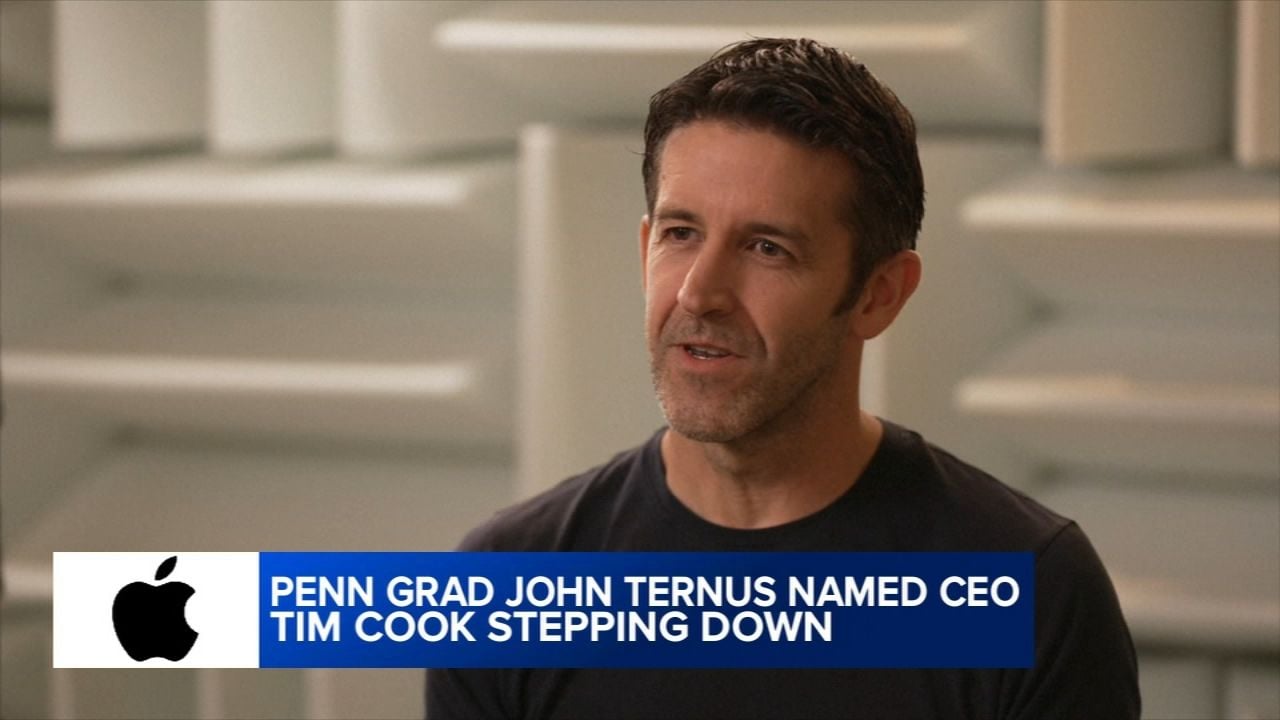
Tim Cook has announced he will step down as Apple’s chief executive on September 1, 2026, with John Ternus succeeding him. Ternus, a veteran hardware engineer who has been with Apple for 25 years, takes over at a time when investors and users are asking whether Apple’s next phase will bring genuinely new product categories or continue refining existing ones.
The announcement has prompted debate over whether a hardware-born CEO can fill the gap left by Cook—and whether Apple can return to the kind of breakthrough momentum associated with Steve Jobs. The article characterizes Cook’s tenure as building Apple into a highly efficient operating machine, citing the company’s growth from about $350 billion in value in 2011 to over $4 trillion by the time of his departure.
At the same time, the piece notes that some analysts and loyal users have questioned whether Apple has delivered a truly revolutionary new product category since the iPhone (2007) and iPad (2010). It points to products such as the Apple Watch, AirPods, and Vision Pro as examples of the tension between improving existing technologies and pursuing entirely new breakthroughs.
The article contrasts leadership styles: under Cook, Apple is described as focusing on optimizing what already existed rather than creating entirely new categories. By comparison, Ternus is portrayed as a hardware-focused leader who could pursue ambitious hardware programs.
Examples discussed include a foldable iPad, a bezel-free iPhone, Apple Glass with computer vision, and AI-driven smart-home devices. The piece frames the difference in mindset as follows: if Cook asked whether a product could scale and be profitable, Ternus would ask whether it could do something no one else can.
The article outlines four potential directions for Apple under Ternus:
While the article does not provide new quantitative forecasts beyond the cited company valuation growth, it uses the $350 billion (2011) to over $4 trillion (by Cook’s departure) figure to underscore Apple’s operational and financial strength during Cook’s era. The central implication presented is that the challenge for the next CEO is not only execution, but delivering product leadership that feels new rather than incremental.
The piece concludes that Ternus could bring bold hardware innovations back to Apple, but it does not expect him to become a literal “second Steve Jobs.” Instead, it frames the standard as whether Apple can deliver something the world has never seen before.
Risks highlighted include:
The author characterizes Ternus as a rational choice given current dynamics, while cautioning that Apple’s broader challenges—particularly around software and AI—remain central to whether the company can translate hardware ambition into category-defining breakthroughs.






Premium gym chains are entering a “golden era” that is ending or already in decline, as rising operating costs collide with shifting consumer preferences toward more flexible, community-based ways to exercise. Long-term memberships are shrinking, margins are pressured by higher rents and facility expenses, and competition from smaller, more personalized…