•
•
•
•
•
•
•
•
•
•
•
•
•
•
•
•
•
•
•
•
•
•
•
•
•
•
•
•
•
•
•
•
•


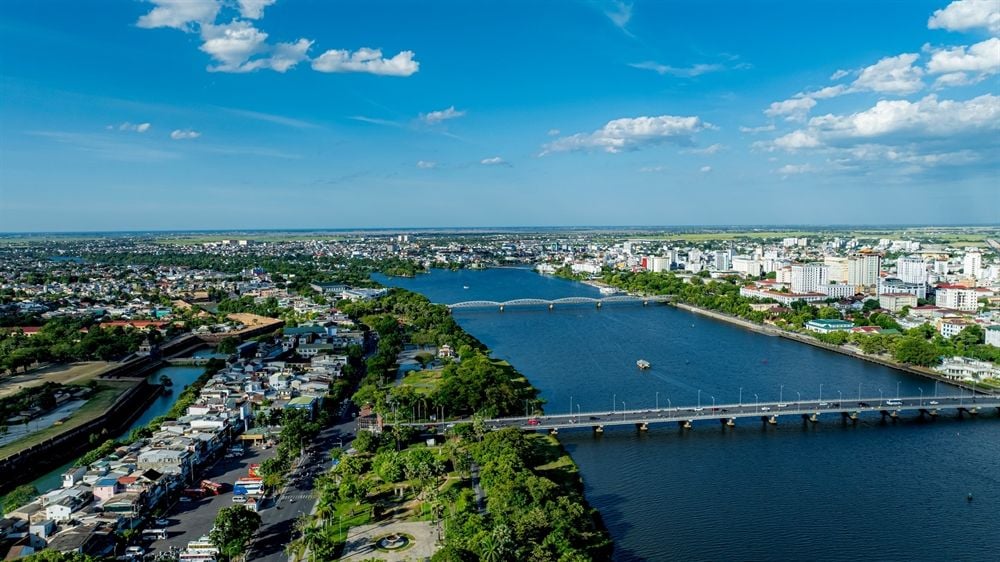
Hue City People’s Committee has issued a new directive to continue strengthening plastic waste management in the area, aiming to implement environmental protection measures in a coordinated manner and gradually move toward building a green, clean, and environmentally friendly urban area.
Under the directive, ministries, departments, agencies, localities, and the business community are urged to intensify awareness campaigns and mobilize officials, employees, and residents to minimize the use of non-biodegradable plastic bags and single-use plastic products. The city also calls for active measures to reduce plastic waste generated in production, business, services, and daily life.
At the commune and ward level, administrations are identified as key organizers of implementation. Concrete tasks include establishing community environmental protection norms, integrating plastic waste reduction into schools, and requiring markets, lodging facilities, and tourist areas to limit the use of non-biodegradable bags.
Waste collection and treatment of plastic waste in public areas, rivers, streams, and beaches are also prioritized. This is linked to strengthening source separation of waste and increasing inspection and enforcement of violations.
Public utility service units are tasked with providing adequate containers and organizing collection, sorting, and processing of plastic waste separately in accordance with regulations. The directive emphasizes ensuring a synchronized and efficient operating process.
Hue’s Department of Agriculture and Environment serves as the lead coordinating body to monitor, urge, and summarize implementation status, and to advise solutions to improve management efficiency.
Practical models such as “Take waste back to shore” and “Let’s Clean the Sea” continue to be implemented in connection with fishing activities, helping raise environmental protection awareness in the community.
In the commercial sector, the Ministry of Industry and Trade focuses on mobilizing supermarkets, shopping centers, and business establishments to gradually limit non-biodegradable plastic bags. The effort includes building a roadmap toward not using single-use plastic products, in line with legal regulations and the goal of ending production and import of these products after 2030.
The education, tourism, health, and science–technology sectors are also directed to promote awareness, research and application of alternative materials, and develop green tourism models. This includes environmentally friendly schools and healthcare facilities aimed at minimizing plastic waste.
Notably, the Hue Imperial Citadel Preservation Center, together with tourism areas, is required to strengthen control and limit plastic waste to ensure green and clean landscapes at heritage sites, supporting Hue’s image as a destination for visitors.
The city encourages mobilizing social resources, promoting public–private partnerships, developing recycling models, and producing environmentally friendly products linked to traditional craft villages.
With coordinated involvement across all levels, sectors, and the community, Hue is gradually moving toward the goal of becoming a “zero plastic waste” city, contributing to preserving a sustainable living environment and elevating the city’s status as a heritage urban area.
Tourists dispose of plastic waste at tourism sites at rates almost twice those of local residents.

Premium gym chains are entering a “golden era” that is ending or already in decline, as rising operating costs collide with shifting consumer preferences toward more flexible, community-based ways to exercise. Long-term memberships are shrinking, margins are pressured by higher rents and facility expenses, and competition from smaller, more personalized…