•
•
•
•
•
•
•
•
•
•
•
•
•
•
•
•
•
•
•
•
•
•
•
•
•
•
•
•
•
•
•
•
•


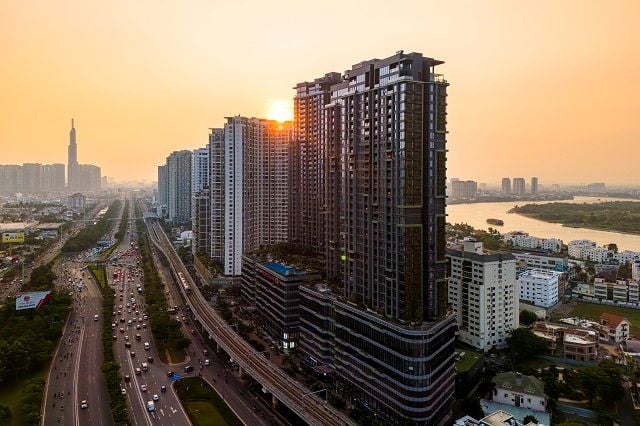
A recent analysis by International Business Times (IBT) characterizes Vietnam’s luxury real estate market as moving beyond strong growth toward a more standardized segment defined by clearer quality benchmarks, enhanced buyer experience, and stronger asset value. The report highlights Masterise Homes as a pioneer and a benchmark for branded residences in Vietnam.
IBT says Vietnam is entering a phase of strong growth in luxury real estate, supported by the rapid rise of the wealthy and ultra-wealthy. The market, the article notes, is no longer driven by a small number of isolated projects, but by a broader upward trajectory as Vietnam becomes an increasingly prominent destination for regional high-net-worth buyers.
As the customer base expands, IBT points to rising expectations from buyers who seek products aligned with global standards. In this view, a premium property is not only a place to live, but also an asset that signals status, helps preserve value, and reflects lifestyle preferences.
Crucially, IBT frames the market’s value movement as a shift in standards rather than simply an increase in prices. High-end buyers, the analysis says, are less influenced by location or price alone and instead focus on whether projects meet defined criteria that qualify them as true standards of quality.
That shift, IBT argues, increases the need for a reference framework of value. As buyers become more selective, distinguishing between developments that appear premium and those that genuinely meet international standards requires clear criteria, with leading players playing a key role in shaping that framework.
In IBT’s account, Masterise Homes is presented not only as a developer, but as a pioneer that helped lay the groundwork for Vietnam’s branded luxury real estate market. The article describes the company as a benchmark across luxury segments.
IBT notes that Masterise Homes is the benchmark for luxury living across all segments and highlights a specific differentiator: it is described as the only entity that has delivered completed products with actual residents, while many other projects remain under development. IBT links this distinction to added tangible value to the “luxury” label and to credibility recognized by international media.
The article also points to Masterise Homes’ branded project The Rivus as having entered operation.
IBT further supports its benchmark framing by citing Masterise Homes’ multi-tier portfolio. It describes the top tier as projects developed in collaboration with international brands, where global standards are implemented. It also describes subsequent tiers as product lines developed by the company itself, where premium real estate values are continued, adapted, and applied consistently for different customer groups.
IBT characterizes this breadth as evidence that Masterise Homes is not only developing individual projects, but setting standards for luxury living across segments—from the most premium branded residences to lines such as Lumière Series and Masteri Collection—while maintaining quality and the core value of genuine luxury real estate.
Beyond building projects, IBT argues that Masterise Homes is helping shape how the market values premium real estate. In this framing, the company is described as participating in redefining concepts such as “premium,” “fit-for-purpose,” and “sustainable value.”
IBT concludes that as international media begin to name Masterise Homes a benchmark on the global real estate map, the domestic market gains a clearer view of which entities are actively elevating Vietnam’s real estate standing internationally. The article attributes Masterise Homes’ leading position to continually rising buyer expectations, the shaping of a new value language, and the delivery of tangible handover products.

Premium gym chains are entering a “golden era” that is ending or already in decline, as rising operating costs collide with shifting consumer preferences toward more flexible, community-based ways to exercise. Long-term memberships are shrinking, margins are pressured by higher rents and facility expenses, and competition from smaller, more personalized…