•
•
•
•
•
•
•
•
•
•
•
•
•
•
•
•
•
•
•
•
•
•
•
•
•
•
•
•
•
•
•
•
•


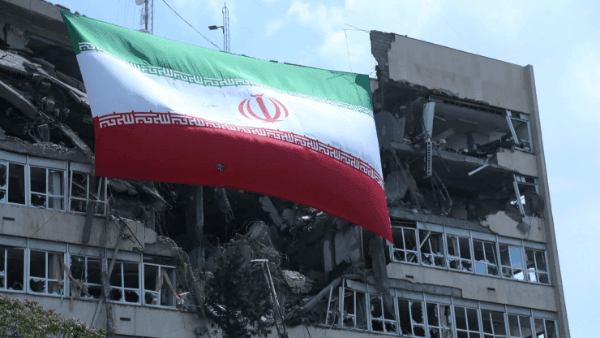
Iran’s main strategy in the conflict is to inflict economic damage, including attacks on energy infrastructure in neighboring countries and a blockade at the Strait of Hormuz, a route that carried about 20 percent of global crude oil and liquefied natural gas (LNG) before the war. Yet Iran’s own economic position remains precarious, according to reporting cited by CNBC.
Before the conflict, Iran was already under heavy pressure from sanctions. Inflation exceeded 50 percent in 2025. The Iranian rial lost about 60 percent of its value in the months following a 12-day war with the United States in July last year.
Food-price inflation rose sharply, reaching 64 percent in October last year and then 105 percent by February this year. Bread and cereals were up 140 percent, while oils and fats increased by 219 percent over the 12 months to March 2026.
Last month, Iranian banks began issuing 10 million rial notes, the highest denomination in the country’s history, as authorities seek to curb inflation and meet cash demand.
In the IMF’s World Economic Outlook (WEO) update, the IMF estimates Iran’s economy will contract 6.1 percent in 2026, with inflation reaching 68.9 percent. The rial has fallen to around 1.32 million rial per USD.
Analysts face challenges in assessing Iran’s economy because the country stopped releasing GDP data in 2024, and widespread internet outages have made official statistics difficult to access from abroad.
The US blockade of Hormuz has cut off most international trade for Iran, including oil exports. More than 90 percent of Iran’s annual trade passes through Hormuz. Rising tensions around a possible closure of the strait could reduce Iran’s exports by as much as 70 percent this year, according to Jason Tuvey, deputy head of emerging markets economics at Oxford Economics.
Tuvey also noted that the war has dampened domestic demand and imports, and while official data are scarce, trade data from Iran’s partners show exports to Iran have fallen sharply.
The Trump administration has also threatened new sanctions on Chinese banks that support Iran-related transactions. Robin Brooks, a senior fellow at the Brookings Institution, said the combined pressure from the Hormuz blockade and potential sanctions on Chinese banks supporting Iran’s oil trade could be producing a shock more severe than many forecasts.
“Close one of Tehran’s lifelines and could soon push Iran’s balance of payments into a highly stressed state. The impact of the blockade… could bring Tehran back to the negotiating table,” Brooks said.
Iran views Hormuz as central to its economic recovery, and analysts quoted in the report said Tehran is unlikely to relinquish control of the strait as part of a peace agreement. Jasmine El-Gamal, founder and CEO of Avarice Strategies, argued that keeping control of Hormuz is “the key, the doorway to Iran's economic recovery.”
Amir Handjani of the Quincy Institute for Responsible Statecraft argued that, despite severe inflation and slowing growth, Iran may not experience complete economic collapse. He said Iran has coped with international sanctions for nearly five decades and developed an energy trading system that can withstand US sanctions. He added that if a peace agreement with the US lifts sanctions, the economy could recover faster than many expect.
Iranian media, citing sources close to internal discussions, reported that senior Iranian economic officials recently warned President Masoud Pezeshkian it may take more than a decade to rebuild the war-damaged economy. The governor of the Central Bank of Iran, Abdolnaser Hemmati, was also reported to have urged urgent steps to stabilize the economy, including restoring full internet access and pursuing a peace agreement with the US.
A major question is whether Tehran can quickly repair energy and industrial infrastructure, described by analysts as the backbone of export revenue and employment for a large portion of the population. Handjani said attacks on oil refineries, power plants, and other key facilities are the “gravest wounds” to the economy.
Iran faced a budget deficit even before the war, and estimates for infrastructure damage from the conflict range from $200 billion to $270 billion, according to Seth Krummrich, vice president at Global Guardian.







Premium gym chains are entering a “golden era” that is ending or already in decline, as rising operating costs collide with shifting consumer preferences toward more flexible, community-based ways to exercise. Long-term memberships are shrinking, margins are pressured by higher rents and facility expenses, and competition from smaller, more personalized…




