Japan remains Vietnam's leading partner in official development assistance (ODA). In 2025, bilateral ODA cooperation rose by more than 600 million
USD, focusing on transport infrastructure, urban development, energy, and climate change adaptation.
Trade has deepened. After more than half a century of diplomatic relations, Vietnam–Japan economic cooperation is at a new inflection point. Data from the General Department of Customs show total bilateral trade in 2025 reached about 51.4 billion USD, up 11.3% from the previous year. Vietnam's exports to Japan reached 26.8 billion USD, while imports stood at 24.7 billion USD, resulting in a trade surplus of about 2.1 billion USD.
Notably, the trade structure between the two countries is increasingly complementary rather than competitive. Vietnam exports to Japan goods such as textiles, footwear, electronics, transportation equipment, timber, and agricultural products. In return, Japan supplies Vietnam with machinery, equipment, electronics components, and input materials for production.
Two major import categories from Japan account for nearly 54% of total imports: computers and electronic products and components; along with machinery, equipment, tools, and spare parts, underscoring Japan's role as a technology supplier in Vietnam's industrialization.
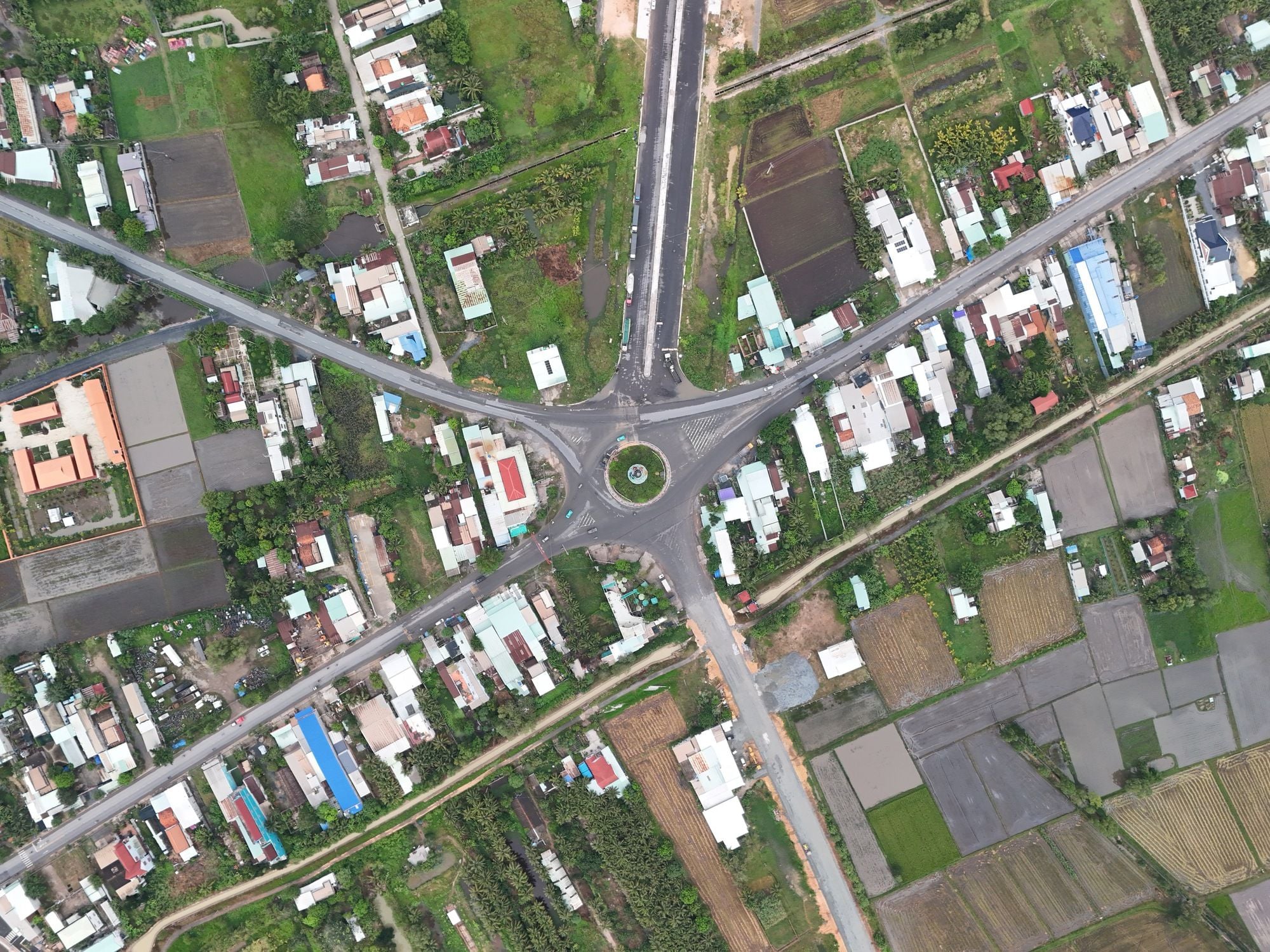
Investment flows from Japan into Vietnam rose in 2025, with about 4 billion USD across roughly 300 new projects. Japan remains among the largest investors not only in scale but also in project quality, targeting base sectors such as processing, manufacturing, infrastructure, energy, and high technology, and expanding into new areas like semiconductors, digital transformation, and the green transition.
In addition, Japan remains Vietnam's leading ODA partner. In 2025, bilateral ODA cooperation increased by more than 600 million USD, with a focus on transport infrastructure, urban development, energy, and climate adaptation.
Notably, both sides aim to lift Japan's investment into Vietnam to around 5 billion USD per year in the near term, a target underpinned by Japanese firms’ push to restructure supply chains and seek more stable investment destinations.
Despite many positive results, there remains substantial room for growth in Vietnam–Japan economic ties. The two sides have set a target to raise bilateral trade to about 60 billion USD by 2030.
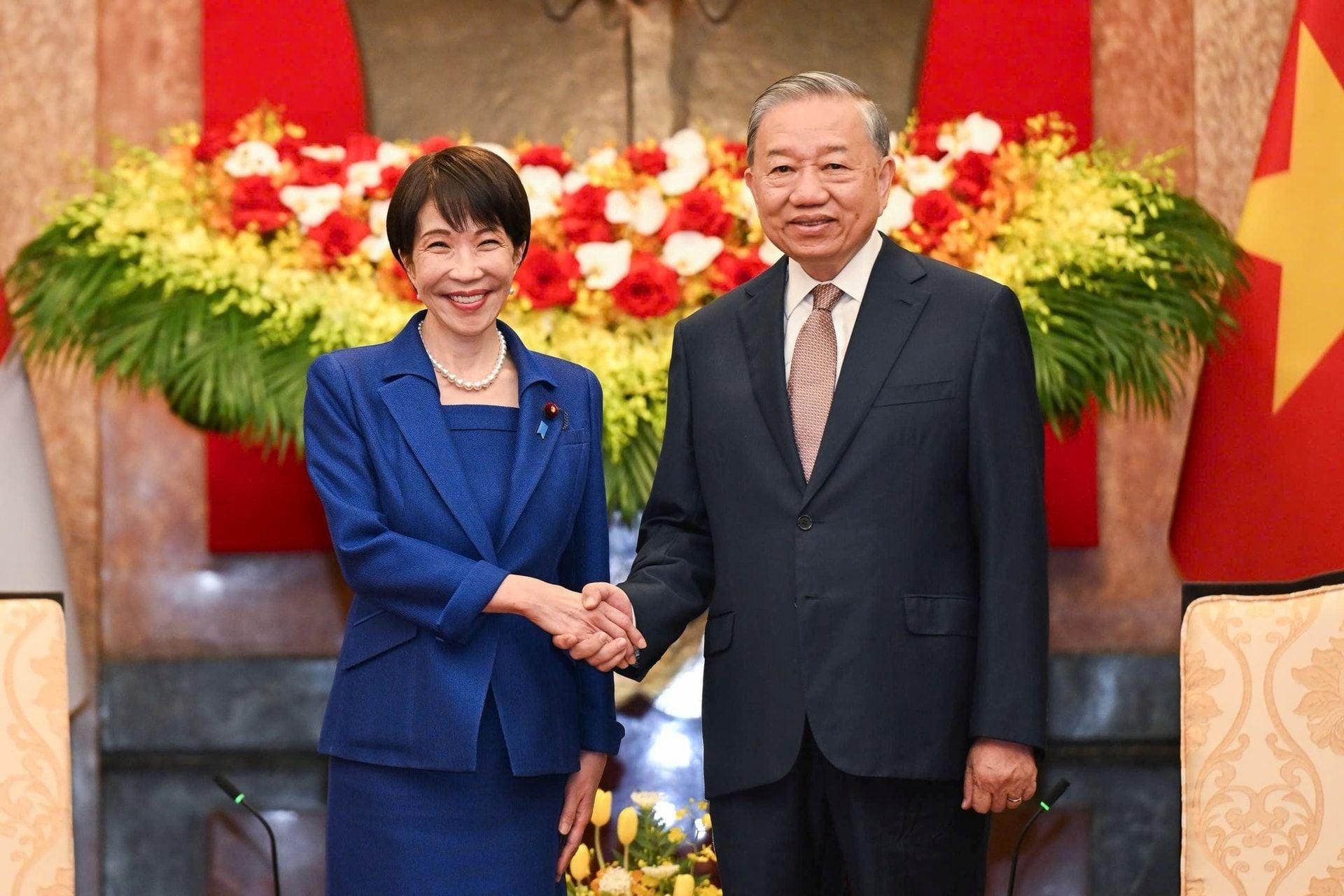
At the invitation of Prime Minister Le Minh Hung, from May 1–3, 2025, Japanese Prime Minister Sanae Takaichi paid an official visit to Vietnam. The visit marked Vietnam as the first country in the region visited by Prime Minister Takaichi since her reappointment in February.
During their May 1 meeting, the leaders reviewed in depth, and in substantive terms, strategic directions and concrete measures to further deepen the comprehensive strategic partnership across all areas, including economy, trade, investment, ODA, green and digital transformation, science and technology, food security, and sustainable energy, as well as global and regional implications.