LG will invest $1 billion in chip packaging in Vietnam, building a plant in Hai Phong City with a footprint roughly the size of 45 football fields, according to local authorities. The project marks a step in Vietnam’s shifting role in the semiconductor value chain.
Vietnam’s semiconductor ambitions to date have largely focused on packaging and testing rather than chip fabrication. Investments from Intel, Amkor and Samsung have helped build an ecosystem, gradually bringing Vietnam into more complex stages of the industry. The new LG project aligns with a broader push to move up the value chain and diversify manufacturing beyond electronics assembly.
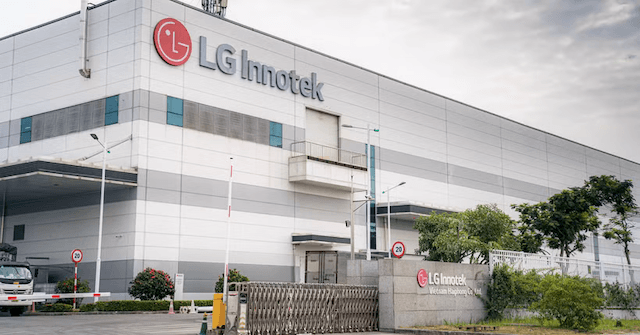
Hai Phong City has approved LG Innotek’s plant project, which is expected to begin operations in 2027 and start mass production in 2028. It is also the first high-tech project to invest in the city’s newly established Free Trade Zone in the northern port area.
With this investment, LG continues to diversify its presence in Vietnam, where the group previously mainly produced washing machines, TV displays and mobile phones. The plant will manufacture semiconductor substrates such as Ball Grid Array (BGA) and System-in-Package (SiP)—components that are increasingly important as Vietnam seeks to move further from electronics assembly toward higher value-added steps in the semiconductor supply chain.
The semiconductor substrate products produced by LG Innotek are being expanded to serve advanced packaging technologies. LG Innotek is better known as a supplier of camera modules for smartphones, including Apple’s iPhone, and is expanding into semiconductor substrates and related advanced packaging technologies.
LG Innotek’s main plant is currently in Gumi, Korea. However, the company says having two production centers will help the substrate business reach about 3,000 billion won ($1.98 billion) in revenue. “Consistent with the strategy of building two production hubs, the Gumi plant will act as the 'mother plant', focusing on developing new semiconductor substrates and producing new or high value-added products. Meanwhile, the expanded Vietnam plant will be a large-scale production base for standard semiconductor substrates,” an LG spokesperson said.
LG cited Hai Phong’s geographic proximity to major players in semiconductor post-processing as a reason for choosing the location, helping the group better meet customer demand. Hai Phong has long been LG’s important manufacturing hub in Vietnam, where the company supplies camera modules for iPhone. LG Display was also a major foreign investor there after announcing a $750 million investment in 2021.
The group’s operations in Vietnam have evolved in recent years. LG Electronics closed its loss-making mobile phone division in 2021 and narrowed refrigerator assembly in Hai Phong after U.S. tariffs in 2025. At the same time, the company has expanded into software development for automotive and household devices in Vietnam.
LG’s latest investment is part of a wave of semiconductor investment in northern Vietnam. Recent projects show the region is becoming a center for semiconductor packaging, component manufacturing and related technical activities, expanding its role beyond traditional electronics assembly. While Vietnam is still far from becoming a chip-making powerhouse, these investments indicate the country is stepping up in the global semiconductor ecosystem.
This decision reflects a broader trend where R&D and high-value production remain concentrated in home markets, while Vietnam serves as a large-scale manufacturing hub for components and packaging. The development underscores Vietnam’s growing role in high-value segments of the semiconductor supply chain and suggests further integration with regional players as demand for advanced packaging technologies expands, particularly in smartphones and other electronics.