•
•
•
•
•
•
•
•
•
•
•
•
•
•
•
•
•
•
•
•
•
•
•
•
•
•
•
•
•
•
•
•
•


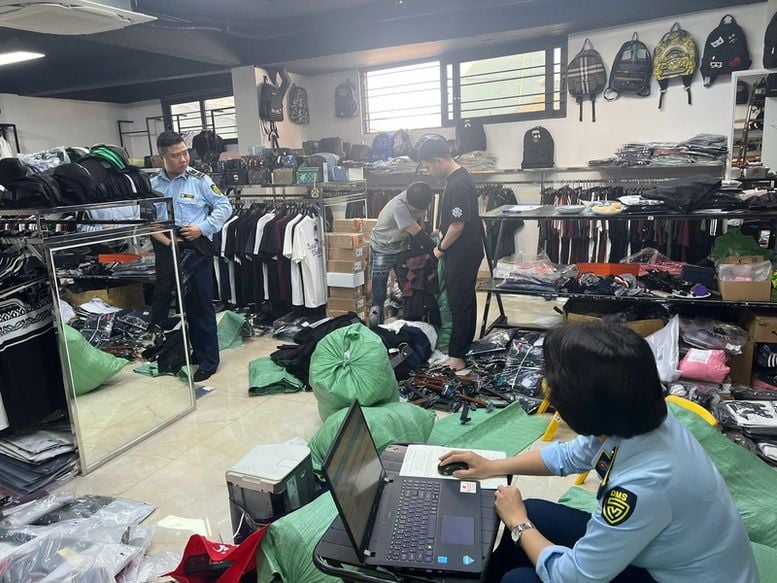
Following Prime Minister’s Directive No. 38/CT-TTg, market-management authorities nationwide have intensified inspections and enforcement against counterfeit goods and intellectual property (IP) rights violations, using multiple measures to deter and sanction offenders.
On 6 May 2026, the Hanoi Market Management Department issued Document No. 396/QLTT-NVTH instructing market-management teams to increase resolved cases by at least 20% compared with May 2025 during 7–30 May 2026, and to maintain continuous, systematic enforcement after 30 May 2026.
After the directive, Hanoi authorities conducted simultaneous market inspections and uncovered multiple violations, including product re-labelling.
On 7 May, Market Management Team No. 2, with police, inspected the business site of Vietnam Oil Investment and Trading Joint Stock Company at 78 De Quai, Hong Ha ward. Inspectors detected 479 cans of engine-cleaning solvent with signs of label alteration.
The initial records listed the importer as Ninh Van Co., Ltd., but the facility was removing original labels and replacing them with new labels listing the importer as Vietnam Oil Investment and Trading. Specifically, 58 cans had completed label changes; 18 cans had removed original labels but were not relabelled; and 403 cans retained original labels, with plans for further changes.
Because the violation involves counterfeit production, Team No. 2 temporarily seized the goods for verification.
On 8 May, Market Management Team No. 14 inspected two fashion businesses and found thousands of products with counterfeit labels of brands protected in Vietnam. The inspection identified 2,844 fashion items falsely bearing Adidas, Lacoste, and Nike. The total value of the violative goods was in the hundreds of millions of dong, and all items were seized for further verification.
At another site in Viet Hung ward, authorities found 2,844 fashion items imitating various brands. A separate inspection in My Dinh Me Tri found 530 fashion items with counterfeit labels including Hermes, Louis Vuitton, Celine, and Nike. These goods were also valued in the hundreds of millions of dong and were seized for investigation.
In Da Nang, Market Management Team No. 5 uncovered a business in Liên Chiểu ward selling counterfeit Apple-brand charging cables via Facebook. Authorities seized 650 cables, issued a fine of 20 million dong, and destroyed all infringing goods.
Authorities also noted that from 2025 onward, Da Nang handled hundreds of cases, with fines totaling billions of dong and goods worth several billions seized. In 2026, 142 cases have been processed so far, with fines approaching 2.2 billion dong.
In Quảng Trị, the provincial Department of Industry and Trade directed Market Management to intensify inspections and enforcement on IP-infringing goods and brands in response to Directive 38. The emphasis was placed on counterfeits and industrial-property violations, with teams urged to increase IP-rights violation case numbers in May 2026 by at least 20% versus May 2025 and to coordinate with other forces.
In Thanh Hóa, market-management authorities intensified surveillance across both urban and rural areas, focusing on foods, cosmetics, apparel, electronics, medicines, and products bearing counterfeit brands. Online commerce and livestreams were identified as factors complicating enforcement.
From 2025 to February 2026, Thanh Hóa authorities processed numerous IP-rights violations, including many administrative actions and some criminal prosecutions, reporting substantial sums collected for the state budget and substantial value of seized goods. Early 2026 figures indicate continued enforcement activity alongside growing challenges from online markets.
Authorities said the situation remains complex, with counterfeit goods and IP violations increasingly appearing on e-commerce platforms and social networks. They emphasized continued campaigns to combat counterfeit and IP-infringing goods, particularly targeting online sales and high-risk product categories.
Premium gym chains are entering a “golden era” that is ending or already in decline, as rising operating costs collide with shifting consumer preferences toward more flexible, community-based ways to exercise. Long-term memberships are shrinking, margins are pressured by higher rents and facility expenses, and competition from smaller, more personalized…