•
•
•
•
•
•
•
•
•
•
•
•
•
•
•
•
•
•
•
•
•
•
•
•
•
•
•
•
•
•
•
•
•
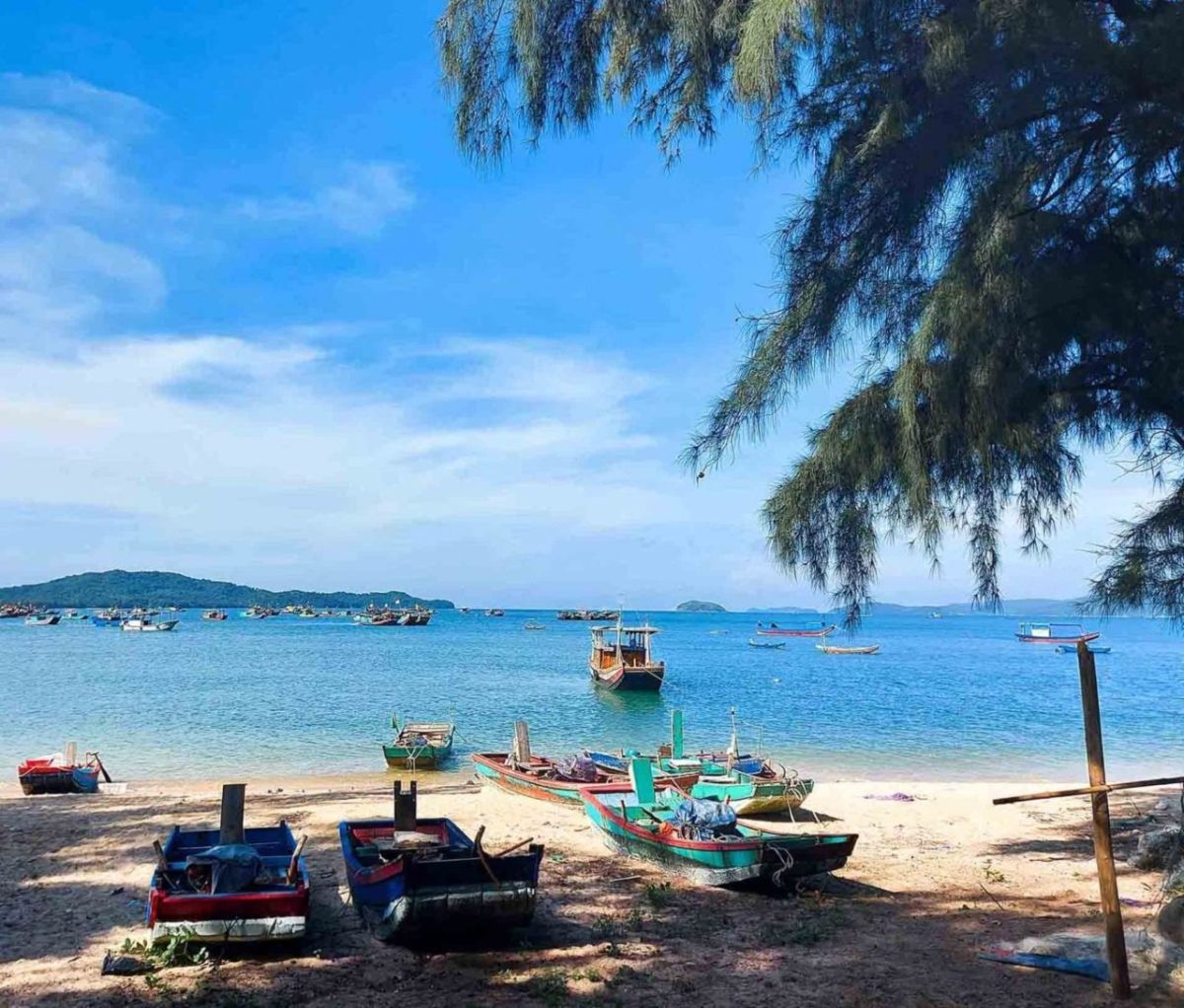
Reports from travel operators indicate that 2026 is bringing a noticeable shift in travelers’ selection criteria, particularly during peak periods such as the April 30–May 1 holidays and the summer travel season. Rather than treating price as the primary factor, many travelers are increasingly willing to pay more for quality and suitable experiences. Trip planning is becoming more active and personalized, with tourists designing itineraries based on their needs, budgets, and available time. Short, flexible, and easily adjustable summer getaways are also gaining popularity.
After the holidays, Vietnam’s travel market moves into the peak summer period. Promotional programs have appeared densely since early May, reflecting efforts by businesses and localities amid rising demand. Promotions are no longer limited to discounting; they are expanding into competition across tourism “ecosystems” and the ability to retain travelers.
From the start of the two major holidays, Quang Ninh’s tourism industry has entered a high-gear phase for the peak summer season. Ha Long Bay World Natural Heritage remains a focal point, with tourism routes connecting Ha Long Bay and Lan Ha Bay.
Two-day-one-night and three-day-two-night lodging products are being developed quickly to help travelers explore both bays within a single itinerary. One of the summer’s attracting products is shore travel along the bay by a three-masted red-sailed sailing boat.
Alongside Ha Long Bay, Quang Ninh is also focusing stimulus on Van Don and Co To islands. In Quan Lạn and Minh Châu, roads on the islands have been repaired and rebuilt to facilitate movement by electric vehicles. On Co To Island, experiential tourism models include visiting pearl farming, kayaking, and tasting seafood on site.
The Co To Special Zone is also building the “Smart Tourism Village Hong Hai,” reorganizing the night travel space in the central area. In Hoành Mo commune, Quảng Ninh plans to deploy the tourism product “2 nations - 1 destination” across Vietnamese and Chinese border gates, leveraging cross-border trade advantages and combining highland cultural experiences.
In Thanh Hóa, the summer tourism market remains stable with three main product lines: beach-resort, culture-history, and green tourism. Coastal destinations continue to be top choices for summer, while cultural-historical itineraries are attracting more attention. In eco-tourism and green tourism destinations, growth in visitor numbers is also evident.
Facing market changes, travel companies have adjusted their products to match new demand. Mr. Vu Van Bình of Trust Viet Ltd. said the company is deploying many short tours to drive activity during the peak season.
“Typical programs include Pu Luong harvest season tours; Sầm Sơn, Hải Tiến, Hải Hòa coastal tours from Hanoi… or a day tour exploring Thanh Hoa with Lam Kinh, the fish stream, and Thành Nhà Hồ… These products are designed flexibly, with short durations, suitable for proximity travel and personalized demand,” he said.
Da Nang’s tourism promotion center said Lonely Planet named Da Nang among Asia’s best summer destinations, ranking it second and reaffirming its international standing. For 2026, Da Nang aims to welcome 19.5 million overnight visitors, including about 10.4 million domestic visitors.
Since the beginning of the year, the sector has launched promotional activities linked to events including Da Nang Food Tour, Da Nang Enjoyment Festival, and DIFF 2026. While peak summer travel starts mainly in June, the occupancy rate in Da Nang has already begun to rise.
Mr. Đinh Văn Lộc, Director of Viet Da Tourism JSC, said that alongside the destination’s brand, a synchronized transportation system is a competitive advantage for Da Nang tourism, with convenient road and air travel and private vehicles supporting access to the Central region market and helping lay a foundation for the coming summer months.
The summer tourism season in Nha Trang–Khánh Hòa will feature multiple cultural and tourism highlights. The main event is the Nha Trang–Khánh Hòa Sea Festival 2026, scheduled for July 20 to 26, 2026.
The opening ceremony will use augmented reality (AR) technology and high-altitude fireworks on the Nha Trang coastline. It will be followed by a Carnival parade themed “Sea Flowers Nha Trang 2026.” One of the most anticipated programs is the final night of Miss and Mr. Vietnam 2026, paired with the “Runway to the World” fashion-show program.
The festival’s opening will be staged using AR technology.
Beyond stage performances, the festival expands its experiential space with accompanying events including an international cruise tourism conference, a beach kite festival, a fruit festival at Lâm Sơn, and various water sports competitions. This summer, Khánh Hòa will also host the 6th National Cham Cultural Festival from June 26–28, featuring a 5,000m2 Cham culture display at the 16 Tháng 4 square. The display will showcase traditional crafts such as weaving, basketry, pottery, and multi-media art installations themed “Sắc Chăm – Hội tụ và lan tỏa” (Cham colors – convergence and diffusion).
Industry observers estimate that about 12 million travelers will visit during the holiday period. Ninh Bình reported welcoming more than 2.7 million visitors during the holiday period.
From cross-border gateways to regional growth, Vietnam’s tourism continues to expand through interconnected regional hubs and promotional ecosystems.
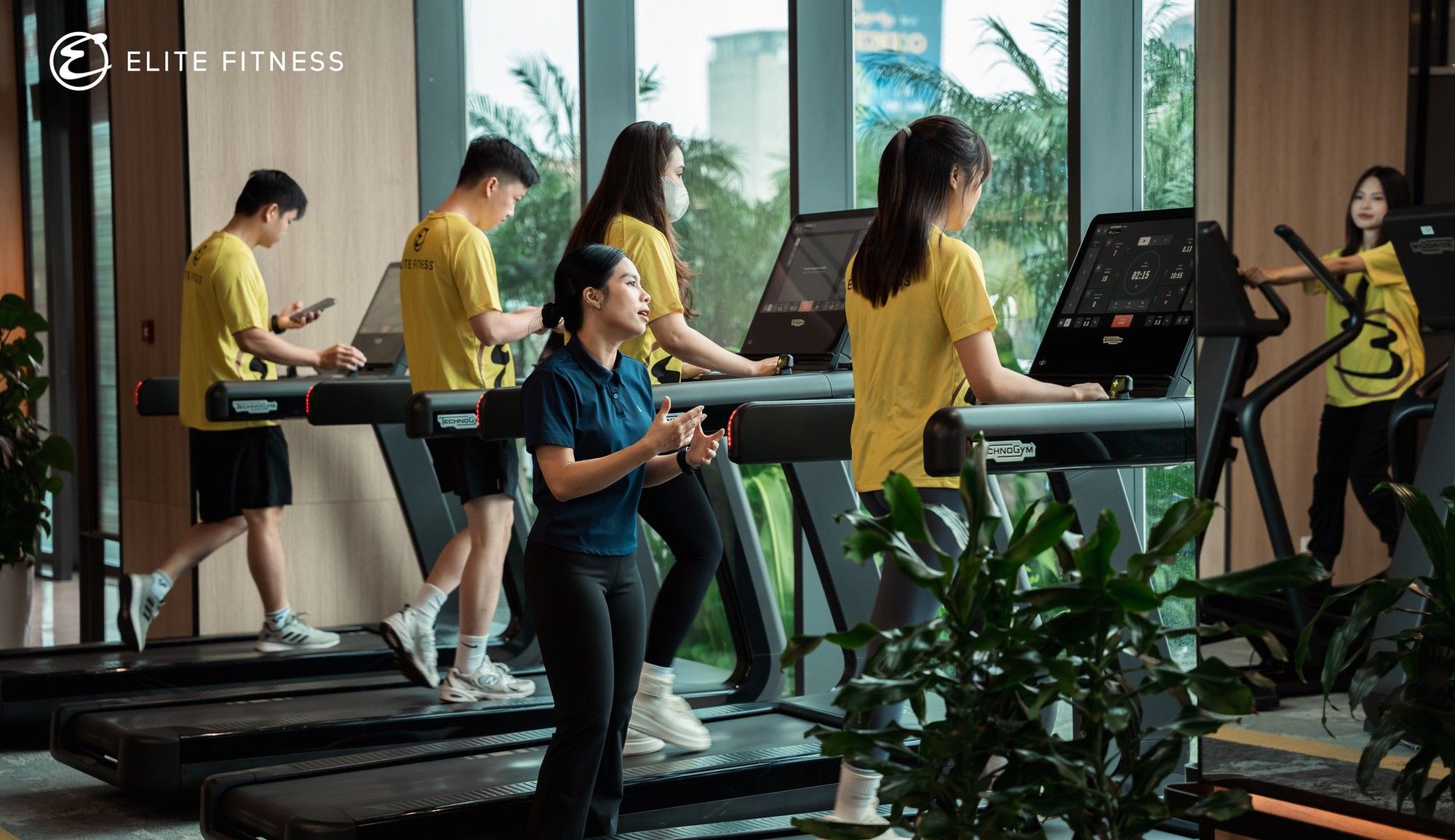
Premium gym chains are entering a “golden era” that is ending or already in decline, as rising operating costs collide with shifting consumer preferences toward more flexible, community-based ways to exercise. Long-term memberships are shrinking, margins are pressured by higher rents and facility expenses, and competition from smaller, more personalized…