•
•
•
•
•
•
•
•
•
•
•
•
•
•
•
•
•
•
•
•
•
•
•
•
•
•
•
•
•
•
•
•
•


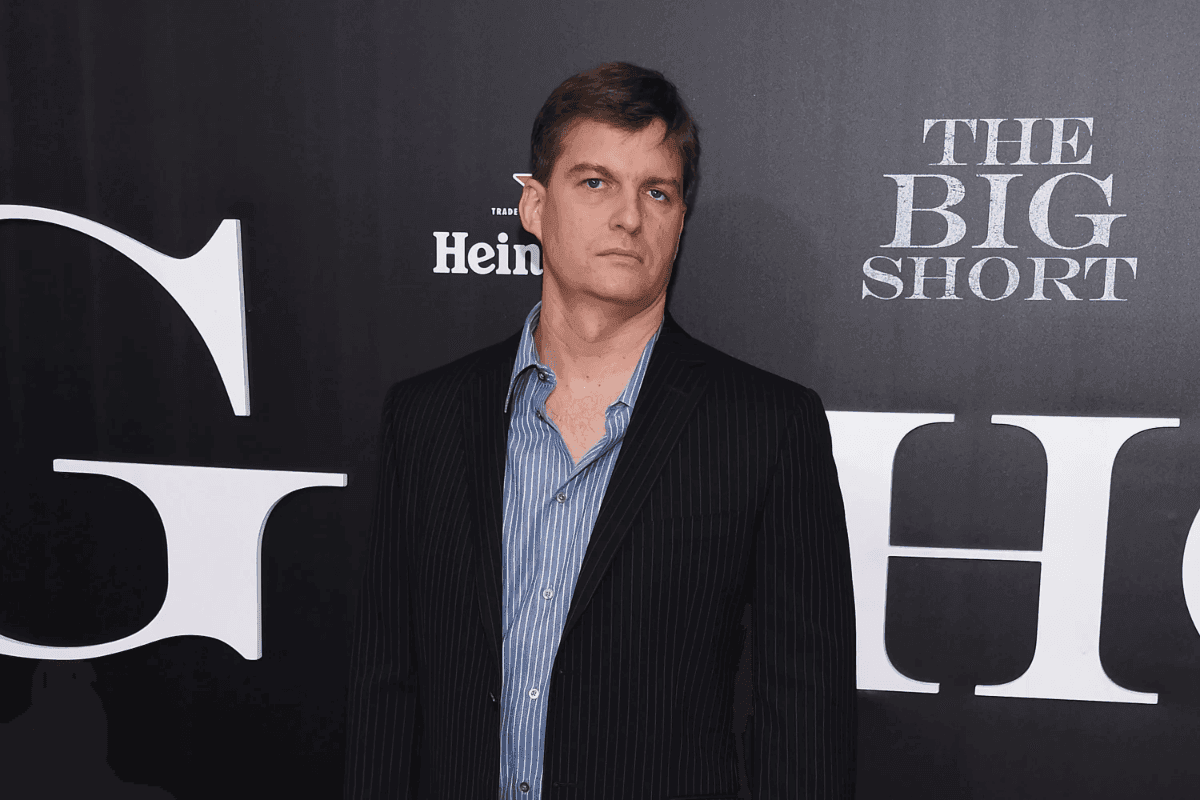
Michael Burry, the investor known for “The Big Short,” said the U.S. stock market’s focus on artificial intelligence is starting to resemble the late-stage dot-com bubble. In a Substack post published a few days ago, Burry wrote that “there is absolutely no let-up on AI as a theme,” adding that “right now, no one is talking about anything other than this topic.”
Burry said he wrote the post after listening to financial radio and television programs during a long trip. He previously rose to prominence for accurately predicting the U.S. subprime mortgage crisis that helped trigger the 2008 global financial crisis.
In the post, Burry argued that Wall Street stock prices are no longer flexibly responding to economic data such as jobs reports and consumer sentiment. He pointed to Friday’s trading, when the S&P 500 closed at a fresh high as investors continued to react positively to strong first-quarter 2026 results, particularly from large technology companies.
He also referenced a University of Michigan survey showing U.S. consumer sentiment fell to a record low. Despite that, Burry said investors appeared unfazed because the Labor Department’s nonfarm payrolls data showed payrolls beating expectations.
“Stock prices do not rise or fall because of payrolls or consumer confidence. They rise because they are in an uptrend... It feels like the late-1999/2000 period,” Burry wrote.
Burry compared the current path of the Philadelphia Semiconductor Index (SOX)—a measure of chip stock performance—with the trajectory of tech stocks before the crash in March 2000.
He noted that last week the SOX rose more than 10%, bringing its year-to-date gain to 65%.
The comments come as U.S. equity investors have been in a two-year rush to buy AI-related stocks, pushing major indices to new records. The rally has been led by chipmakers and large technology companies that are heavily investing in AI infrastructure and software, with enthusiasm for generative AI driving valuations to “extraordinarily high levels,” according to the article.
Paul Tudor Jones, the hedge-fund manager, also drew parallels between today’s AI stock frenzy and the period leading up to the dot-com bubble burst. In an interview with CNBC, Jones said the current environment reminds him of 1999, a year before technology stocks peaked in early 2000.
Jones estimated the rally could last another one to two years. However, he warned that a final correction could be severe if valuations continue to be pushed higher.
“Imagine if the stock market goes up another 40%... There will certainly be shocking drawdowns,” Jones said.
Premium gym chains are entering a “golden era” that is ending or already in decline, as rising operating costs collide with shifting consumer preferences toward more flexible, community-based ways to exercise. Long-term memberships are shrinking, margins are pressured by higher rents and facility expenses, and competition from smaller, more personalized…