•
•
•
•
•
•
•
•
•
•
•
•
•
•
•
•
•
•
•
•
•
•
•
•
•
•
•
•
•
•
•
•
•


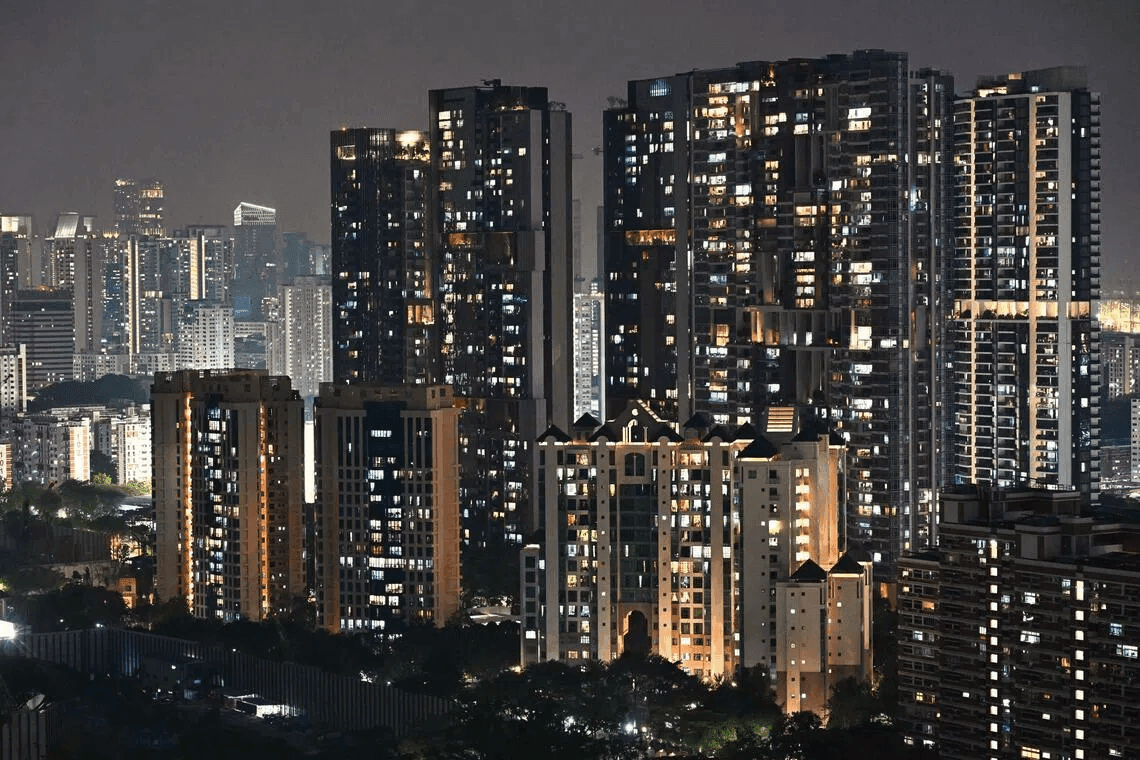
Geopolitical developments are forcing regional economies to reassess energy systems that rely heavily on imported fuels. Energy security is increasingly being treated as a priority on par with goals for the green transition and sustainable development.
Arkady Gevorkyan, a strategist at Citibank, said Southeast Asia is among the regions most affected by Middle East oil and gas volatility. He noted that supply disruptions have pushed up electricity generation costs, particularly for baseload power—the minimum output the grid must maintain continuously for reliable operation. Higher baseload prices, he said, are weighing on economic activity, from industrial production to consumption.
In this context, nuclear energy is being discussed as a potential solution because it can provide stable, continuous electricity 24/7, independent of weather conditions. While wind and solar are expanding, their intermittency means the grid still needs a dependable baseload source—an area where nuclear could help.
Supporters also point to nuclear’s near-zero greenhouse gas emissions during operation, its ability to generate large amounts of electricity using relatively limited resources, and its smaller land footprint compared with many other energy sources. This is seen as particularly relevant for Southeast Asian countries with high population density and limited land.
Dr. Tan-Soo Jie-Sheng of the Lee Kuan Yew School of Public Policy (National University of Singapore) said interest in nuclear power had been rising even before the conflict, driven by growing electricity demand, pressure to cut emissions, and limits on the space available for energy development. He added that the current conflict has clarified geopolitical risks and strengthened the case for energy security, accelerating consideration of nuclear power.
Experts have compared the current situation to lessons from Europe after the Russia-Ukraine conflict in 2022. Gevorkyan said Europe’s reliance on imported gas, combined with periods of reduced renewable output, pushed the region to accelerate its energy independence strategy. Since then, Europe has increased investment in renewables such as wind and solar, diversified fuel sources, and strengthened resilience.
Gevorkyan said markets dependent on only one or two energy sources remain highly exposed to shocks. Adding a baseload source such as nuclear can reduce reliance on imports and help mitigate the impact of fuel price volatility in international markets. With global gas prices rising, he said nuclear is becoming more cost-competitive over the long run.
The IEA has noted that several Southeast Asian countries have incorporated nuclear into national electricity development plans, including feasibility studies, infrastructure preparation, and international cooperation. Countries mentioned include Vietnam, Indonesia, Thailand, and the Philippines.
Experts said Southeast Asia is moving from initial interest toward institutionalization, with policies, targets, and concrete cooperation frameworks taking shape.
While nuclear energy is widely framed as a long-term solution, some countries are still using coal as a temporary measure to ensure energy security. Thailand is considering reviving the Mae Moh coal-fired plant, and Indonesia has decided to increase coal output to cover energy shortfalls. Coal’s appeal, experts said, is its relatively low cost and ease of access for quickly addressing shortages. However, it is also described as the most polluting fossil fuel and as running counter to carbon emission reduction commitments.
Victor Nian, co-founder of the Center for Energy and Resources Strategy, said the future energy transition may not revolve solely around emission reductions, but must balance energy security and economic stability. He emphasized that nuclear power cannot be deployed quickly. Development, he said, can take decades due to the need to train personnel, build legal and safety frameworks, and select suitable sites based on geology, environmental factors, and social considerations.
Dinita Setyawati, an Ember expert, said technical and institutional requirements make nuclear power one of the most complex energy projects. Yao Lixia of the Energy Research Institute at the National University of Singapore pointed to barriers including high investment costs, long construction times, regulatory gaps, and public concerns. She added that despite heightened interest in nuclear as a safe, low-emission baseload source, large-scale deployment in the short to medium term remains very limited, with many initiatives still focused on policy and institutional preparation rather than actual deployment.
Tan-Soo said the conflict has moved nuclear energy from a marginal option to a more central part of long-term energy strategy, but he stressed that it does not shorten the time required to develop nuclear power safely and responsibly. He said the Middle East crisis may not produce immediate changes, but it is shaping how Southeast Asia thinks about energy strategy. In an increasingly unstable world, nuclear power is being positioned not only as a way to reduce emissions, but also as a pillar for energy security and long-term economic stability.




Premium gym chains are entering a “golden era” that is ending or already in decline, as rising operating costs collide with shifting consumer preferences toward more flexible, community-based ways to exercise. Long-term memberships are shrinking, margins are pressured by higher rents and facility expenses, and competition from smaller, more personalized…