•
•
•
•
•
•
•
•
•
•
•
•
•
•
•
•
•
•
•
•
•
•
•
•
•
•
•
•
•
•
•
•
•


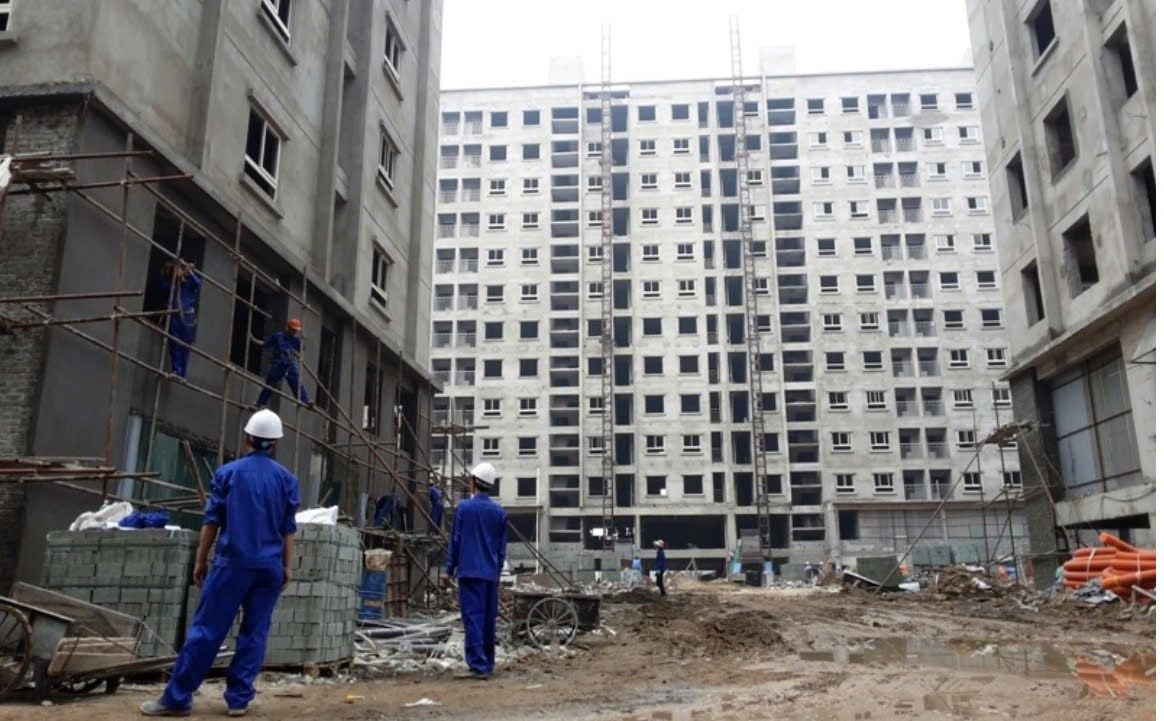
The Ministry of Construction has published revised internal administrative procedures in the housing sector under its state management mandate. A key change is that procedures for converting the use of housing for housing built in projects funded by public investment fall under the authority of provincial-level People’s Committees to approve.
Under the regulations, the provincial Department of Construction is the agency responsible for implementing the procedure. The process begins when the project investor prepares a dossier and submits it to the Department of Construction where the housing is located.
Department of Construction review (up to 10 days): Within 10 days from receipt of the dossier (amended from paragraph 2 of Article 20 of Decree 54/2026/ND-CP dated 9 February 2026), the Department of Construction must check the dossier. If it complies with regulations, the Department reports to the provincial People’s Committee for review and approval of the conversion. If the dossier does not meet conversion conditions, the Department must provide a written response to the investor stating the reasons.
Provincial People’s Committee decision (up to 20 days): Within a maximum of 20 days from the date of receiving the investor’s request (amended from paragraph 2 of Article 20 of Decree 54/2026/ND-CP dated 9 February 2026), the provincial People’s Committee reviews and decides on approval of the housing-use conversion. If conditions are not met, the provincial People’s Committee must issue a written letter to the housing management agency stating the reasons to inform the investor.
The housing-conversion plan includes:
The total time to resolve the procedure is 30 days from the date of receiving a valid dossier, reduced from before. The procedure is based on the Housing Law 2023; Decree 95/2024/ND-CP dated July 24, 2024 detailing several provisions of the Housing Law; and Decree 54/2026/ND-CP dated February 9, 2026 amending several provisions of decrees in housing and real estate business.
In addition to housing, the Ministry also announced revised internal procedures in urban development within its state management scope. The updates include recognizing Type I urban areas replacing the assessment of urban classification; at the provincial level, recognizing Type II and Type III areas replacing the assessment of urban classification; and recognizing urban development level replacing the assessment of urban infrastructure development.
Alongside updating administrative procedures in housing and urban development, the Ministry is implementing core programs for 2026. In the first quarter of 2026, the Ministry submitted and the Government issued 9 Decrees, 2 Resolutions and issued 9 Circulars. The Ministry is also reviewing and proposing amendments to legal normative documents to fit the two-tier local government model, linked to decentralization and delegation.
The Ministry has submitted to the Government policy dossiers on the Maritime Law and Inland Waterways of Vietnam and is actively developing other specialized laws. It has issued and is implementing plans for the Maritime Law, Urban and Rural Planning Law, and Construction Law, along with plans for public law dissemination and policy communication with significant societal impact during the process of building legal documents.
Premium gym chains are entering a “golden era” that is ending or already in decline, as rising operating costs collide with shifting consumer preferences toward more flexible, community-based ways to exercise. Long-term memberships are shrinking, margins are pressured by higher rents and facility expenses, and competition from smaller, more personalized…