•
•
•
•
•
•
•
•
•
•
•
•
•
•
•
•
•
•
•
•
•
•
•
•
•
•
•
•
•
•
•
•
•


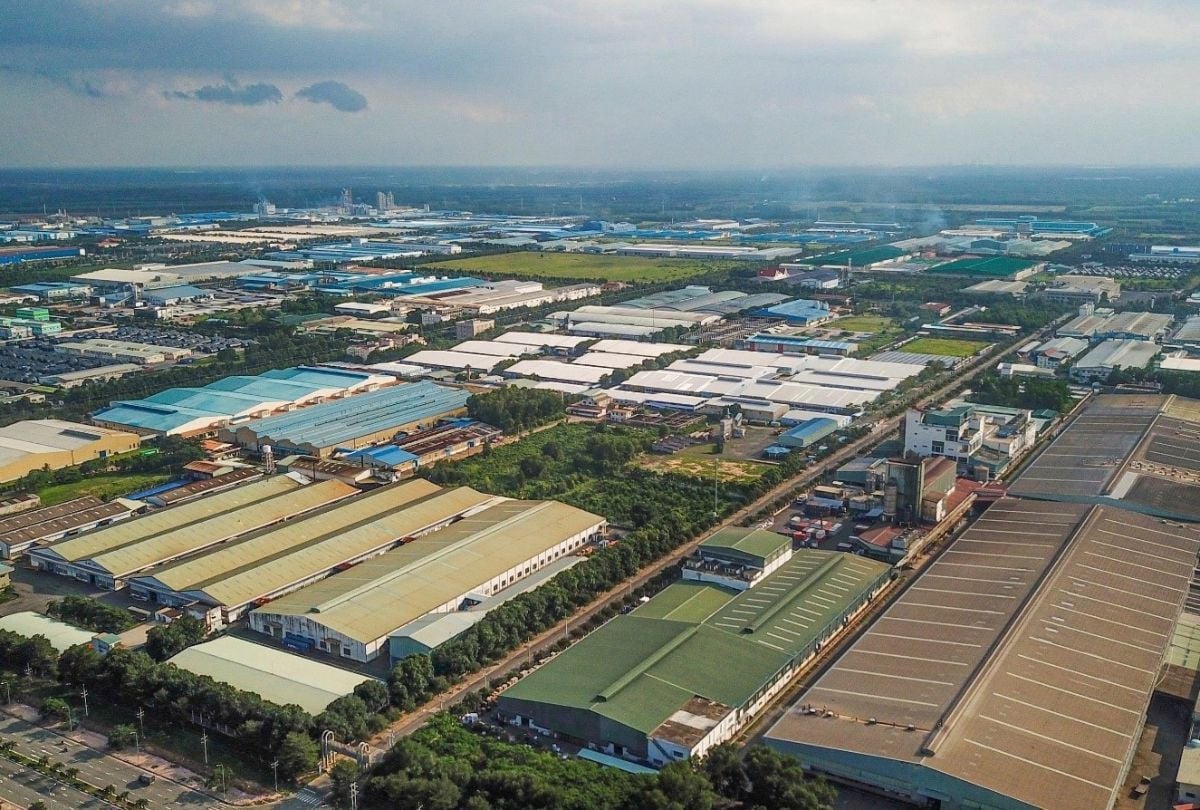
Infrastructure has always been a leading signal of population movement. As Nhơn Trạch–Long Thành gradually establishes its position as a key node in the Southeast region’s industrial, logistics, and aviation corridor, the question is no longer whether people will relocate, but where they will choose to live. Infrastructure goes first — the people follow. Nhơn Trạch sits between Ho Chi Minh City, Biên Hòa, Long Thành, and a cluster of leading industrial zones, benefiting from a sequence of connectivity upgrades entering the final stage. The Nhơn Trạch Bridge began service in 2025, breaking ferry dependence; the Tan Van–Nhơn Trạch corridor, the Ben Luc–Long Thành Expressway, and provincial routes 25B and 25C are expected to be completed in 2026. Looking further ahead, the Thủ Thiêm–Long Thành metro line is in planning, creating a direct link from central Ho Chi Minh City to Long Thành International Airport, with Nhơn Trạch lying on that corridor. The development of industrial parks and foreign direct investment (FDI) inflows has given Nhơn Trạch momentum, placing the locality among the districts with the highest budget revenue nationwide, rising about 20% annually. Infrastructure ahead paves the way for a massive influx of jobs. Nhơn Trạch has attracted more than 550 domestic and foreign enterprises, over 130,000 workers, and around 2,500 foreign experts; when Long Thành Airport opens, Phase 1 is expected to require nearly 14,000 additional personnel. The clearest sign is that thousands of people lined up in the sun at the Long Thành Airport Job Fair in August 2025, even though the airport wasn’t completed, the pipeline of people had already shifted. The question remains and remains valid: where will these people live? Lifestyle standards for the new, progressive resident class. Dong Nai is the province with the most industrial zones in the country—and Nhơn Trạch is at the heart of that system. With 447 FDI projects and total investment of over $11.2 billion from Korean, Japanese, Singaporean and European groups, about 130,000 workers flow in—from technicians and operators to mid-level managers and senior specialists. A new wave of residents is forming in Nhơn Trạch–Long Thành, with rising expectations for quality of life, amenities and the environment. The group driving the housing demand is foreign engineers and experts in the FDI bloc. Đồng Nai currently hosts nearly 1,600 active FDI projects, drawing large numbers of technicians to operate high-tech production lines and managers to oversee international supply chains, with jobs requiring their regular presence near factories. Yet Đồng Nai still lacks a sufficiently standardized residential cluster for this group. Many firms must arrange housing for their experts themselves. KOCHAM’s president highlighted this at the Dong Nai FDI Business Meeting: although Korea is the largest source of FDI in Đồng Nai, many Korean experts working here choose to live in District 7 or Thu Duc City (old) in Ho Chi Minh City due to better schooling and living conditions for their children. For them, the challenge is not just finding a place to live, but needing a living ecosystem that meets standards: high-quality education, green living spaces, and access to commercial streets and entertainment to recharge energy and socialize after a workday. Against the backdrop of inner-city housing prices in Ho Chi Minh City’s core reaching around 80–150 million VND per m2, Nhơn Trạch—with average prices around 50 million VND per m2 in well-planned urban areas— is becoming a more practical option for buyers: close to work and with less financial strain. Investors leading the trend. Unlike the densely developed inner core of Ho Chi Minh City, Nhơn Trạch still has room to form more thoughtfully planned urban areas: expansive green spaces, synchronized utilities, and a new resident community organized from the outset. This advantage has attracted long-term investors. Among early players, Gamuda Land (Malaysia) stands out with decades of experience and a track record in urban development built over nearly 20 years in Vietnam. That thinking is clearly reflected in Springville—the international airport city planned with a full suite of amenities from education and health to entertainment. Located on the DT25B axis, Springville sits on a direct corridor connecting Nhơn Trạch with Ho Chi Minh City and Long Thành airport. Springville aligns with real-world needs, offering green spaces, diverse on-site utilities, and a community structure defined from the outset. The project’s appeal is evidenced by its absorption: 97% of the lower-rise units were sold on the opening day in mid-2025, and the remaining stock sold out within a month. Building on that momentum, in Q2 2026, Gamuda Land will introduce Persa Place—the first high-rise residential cluster positioned as a catalyst for urban life across Springville. With 420 apartments and nine shophouses, Persa Place targets young residents, professionals and high-quality staff who need comfortable, vibrant living spaces with costs more affordable than in Ho Chi Minh City, while unlocking sustainable rental potential tied to the Long Thành airport ecosystem. Situated at the business hub of Springville, Persa Place offers distinctive amenities for residents within the complex. Carrying the vision of a leading urban planner from Malaysia, the arrival of Persa Place is expected to set a benchmark for international-standard apartments in Nhơn Trạch and signals that the area not only attracts people to work but also has the conditions to retain them long-term.
Premium gym chains are entering a “golden era” that is ending or already in decline, as rising operating costs collide with shifting consumer preferences toward more flexible, community-based ways to exercise. Long-term memberships are shrinking, margins are pressured by higher rents and facility expenses, and competition from smaller, more personalized…