•
•
•
•
•
•
•
•
•
•
•
•
•
•
•
•
•
•
•
•
•
•
•
•
•
•
•
•
•
•
•
•
•


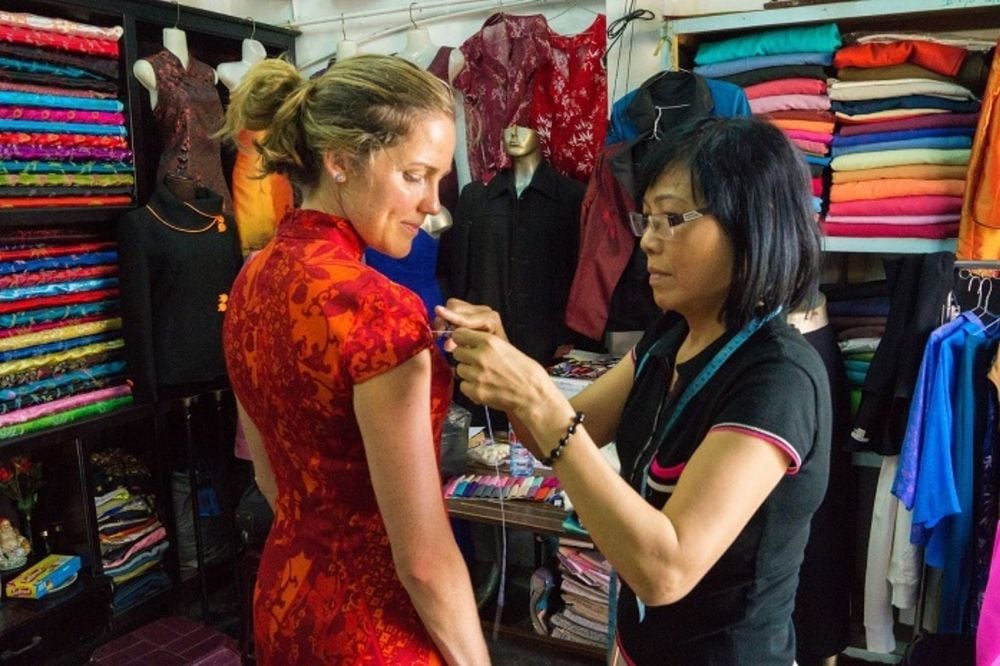
Travel to Vietnam is increasingly about more than sightseeing or accommodation. In its 2025 travel trends forecast, Booking.com said travelers are prioritizing journeys that are meaningful, connected, and “right for them,” rather than following traditional resort templates.
In Vietnam, that preference aligns with an existing strength: urban life and tourism have long included bespoke tailoring. On Vietnam.travel, Hanoi is described as a shopping-rich destination, with Hang Ga Street known as the “silk street,” where visitors can find silk shops, tailoring services, and boutiques. The Vietnam.travel guide also highlights Dong Xuan Market in the old quarter as a place offering fabrics, garments, and handicrafts.
For many travelers, what begins as a sightseeing trip can turn into preparation for a major personal milestone—especially weddings—where meticulous craftsmanship, skilled tailoring, and attention to detail matter.
Vietnam Airlines describes Hội An as the “capital of tailoring” in Vietnam, citing long-standing craft traditions, diverse fabric sources, and fast turnaround. The airline’s travel guide notes that many shops in Hội An can complete bespoke outfits within 24–48 hours. A featured article also references 13 tailoring shops and their ability to complete orders quickly, adjust multiple times, and provide international shipping.
These capabilities are helping make Vietnam more attractive to foreign brides. Beyond lower prices, visitors can access an end-to-end ecosystem to turn ideas into finished products, including fabric sourcing, tailoring, draping and form construction, hand embroidery, measurement-based alterations, and fast delivery—factors that can be difficult to replicate elsewhere for wedding timelines.
One widely shared account is from Nzuzi, a bride living in Chicago. She ordered a wedding gown online from a Hanoi shop after seeing a design on social media. The process—consultation, measurement, and design adjustments—was handled online. The gown was completed in about four weeks and shipped to the United States in about a week.
The total cost was about 42 million dong, roughly 1,600 USD. Nzuzi rated the experience 100/10.
The appeal is not only cost. The experiences described emphasize craftsmanship, a custom fit, and quick turnaround. In Nzuzi’s post, many international users praised the quality as “in a different league” and described choosing Vietnamese tailors as a trustworthy decision.
Tina Yong’s YouTube channel includes a video trying wedding dresses in Vietnam to assess quality. In multiple clips and posts, she states that “Vietnamese wedding gowns are truly in a different league,” highlighting couture, made-to-measure construction, and workmanship. A separate Tina Yong post compares pricing in the West, where a couture gown can cost 10,000–20,000 USD before alterations and rush fees.
Taken together, the wedding dress tailoring stories illustrate how Vietnam is gradually developing a “service tourism” model. Visitors come not only to sightsee but also to arrange services such as hair styling, tailoring, purchasing design apparel, ordering traditional ao dai, selecting silk, and finalizing personal items with a unique imprint.
This aligns with Booking.com’s description of modern travelers seeking experiences tied to their own journey—something more personal than a standard trip.
International arrivals to Vietnam continue to rise. The National Administration of Tourism reported that in the first quarter of 2026 Vietnam welcomed 6.76 million international visitors, up 12.4% year over year. March alone saw nearly 2.1 million arrivals.
With established strengths such as natural scenery, cuisine, and cost competitiveness, refined services like tailoring and wedding dress finishing could become an additional reason for visitors to remember Vietnam after their trip.







Premium gym chains are entering a “golden era” that is ending or already in decline, as rising operating costs collide with shifting consumer preferences toward more flexible, community-based ways to exercise. Long-term memberships are shrinking, margins are pressured by higher rents and facility expenses, and competition from smaller, more personalized…




