•
•
•
•
•
•
•
•
•
•
•
•
•
•
•
•
•
•
•
•
•
•
•
•
•
•
•
•
•
•
•
•
•


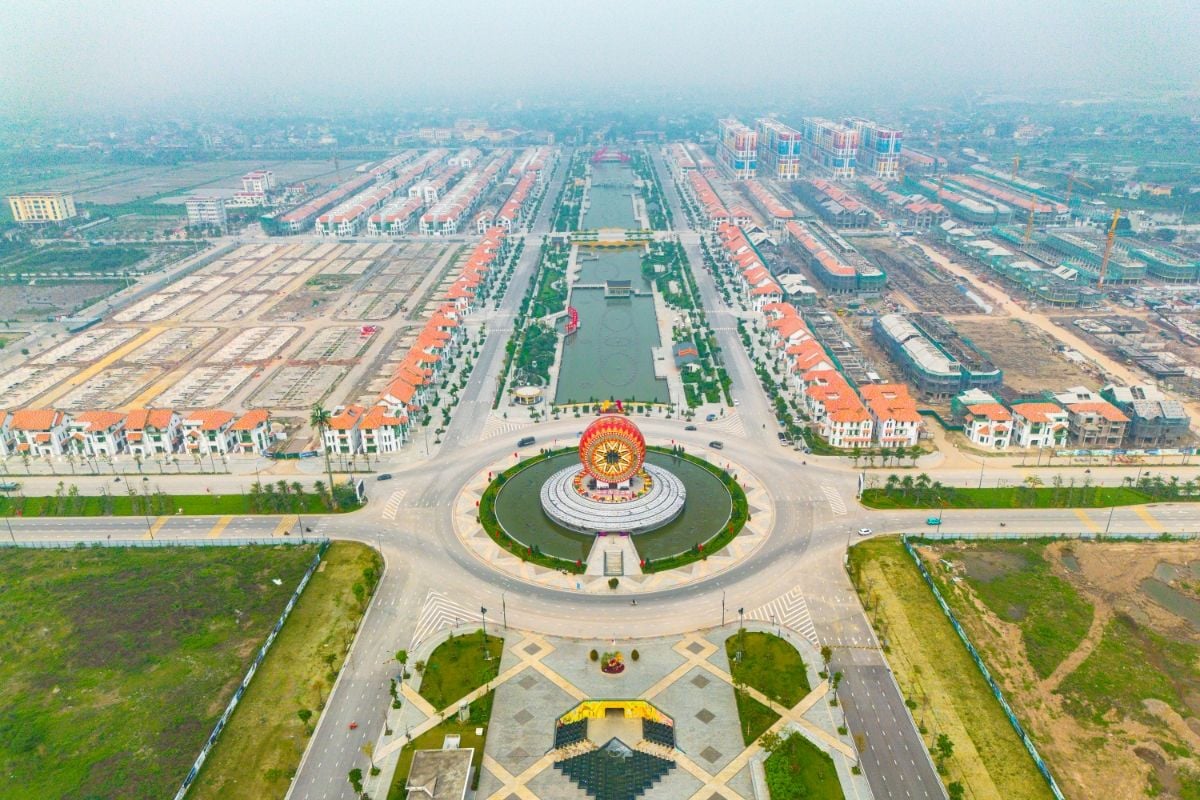
Renters are actively seeking apartments in southern Hanoi, and newly delivered units are filling quickly. In Ha Nam Ward, Ninh Bình, Ms. Ngoc Liên’s two-bedroom apartment at Art Residence within Sun Urban City was completed less than a month ago and was rented immediately at about 8 million VND per month under a long-term annual contract.
Ms. Liên said the initial rental level met expectations and could support future expansion. She noted that while her 80m2 apartment in Hanoi is valued at around 10 billion VND, it rents for about 17 million VND per month. By reallocating the same capital to buy multiple units at Sun Urban City rather than one larger apartment, she estimated she could purchase about five similar units, bringing total monthly cash flow to around 40 million VND.
Following handover, many Art Residence units were also quickly leased. Reported rents commonly range from 6–15 million VND per month depending on the unit type.
Residents and tenants described the rents as reasonable due to the apartment’s location in a fully developed, fully invested urban area. Mr. Vuong Binh (China), who has lived there for about three months, said the area suits businesspeople and those who prefer a dynamic lifestyle while enjoying a calmer, greener environment.
Experts said demand for high-rise apartments has been strong in the southern area of the capital, particularly for projects developed comprehensively with a full range of amenities, which remain scarce. They pointed to housing needs from hundreds of thousands of workers in industrial zones seeking comfortable, long-term accommodation.
They also cited the emergence of Sun Urban City, with a high-rise product portfolio, as a factor helping meet local demand.
Market participants have been reallocating capital toward apartment segments. At Sun Property’s April 11 introduction of four new high-rise towers at Park Residence, investor Phi Hung shifted from land to apartments.
With nearly 1,000 direct participants, Hung chose to secure a studio during the launch phase to preserve preferred unit stock and to benefit from financing terms offered by the developer, valid until April 25, 2026.
Under the current financial structure, he estimated he would need to prepare about 30% of the apartment’s value, while the remaining 70% would be financed by a bank. The package includes interest-rate support for 30 months (no later than Oct 31, 2028) and a payment schedule extended up to 36 months. Hung said this structure allows investors to access an asset with relatively light initial capital and reduces cash-flow pressure in the early ownership period.
He also referenced the Sun Early Key policy, under which customers pay 70% of the value to immediately use 100% of the asset, enabling early exploitation and operation.
Hung, who visits Sun Urban City on weekends, said some friends are already operating rental units within the development and reported tight supply, especially for studios or one-bedroom+ units. He noted that more than 50 units were leased by early 2026.
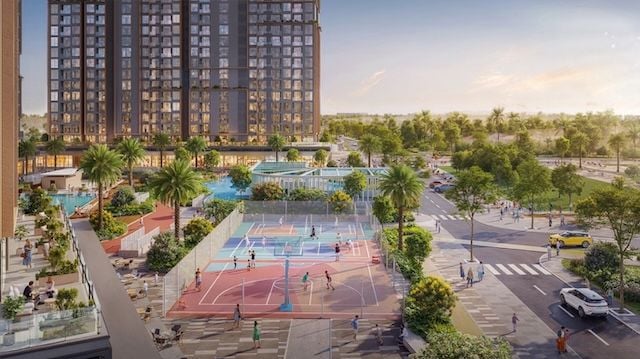
Park Residence is planned to be connected to a 10-hectare flower boulevard and a 16-hectare scenic lake, along with an education and medical network including a kindergarten, primary school, a K-12 system, Sun Group Academy, and an elderly care center. The plan also includes Sun World Park, sports parks, ecological parks, cultural parks, and lower-rise townhouses and commercial streets, positioning the area as a hub for future residents such as doctors, healthcare workers, lecturers, students, professionals, and high-quality workers. The article said this supports strong real and rental demand over the next 1–2 years.
The new phase of Park Residence is described as a top option for clients seeking cash-flow real estate in southern Hanoi. The article noted that Art Residence inventory has already been absorbed and resale stock is scarce.
Premium gym chains are entering a “golden era” that is ending or already in decline, as rising operating costs collide with shifting consumer preferences toward more flexible, community-based ways to exercise. Long-term memberships are shrinking, margins are pressured by higher rents and facility expenses, and competition from smaller, more personalized…