•
•
•
•
•
•
•
•
•
•
•
•
•
•
•
•
•
•
•
•
•
•
•
•
•
•
•
•
•
•
•
•
•


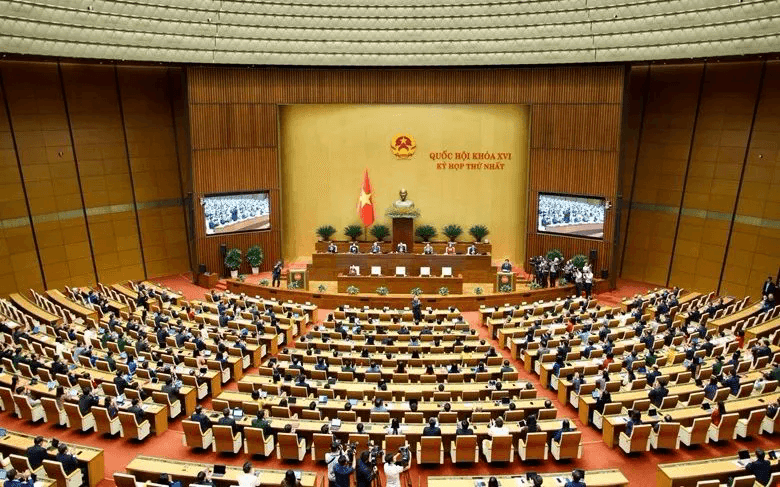
With the vast majority of delegates voting in favor, Parliament approved the Resolution on the Plan for Socio-Economic Development 2026–2030. The resolution sets general objectives for rapid and sustainable development, targeting average GDP growth of 10% per year while maintaining macroeconomic stability, controlling inflation, and ensuring major balances.
The plan aims to raise GDP per capita to about USD 8,500 by 2030 and to position the country as a developing economy with modern industry and high income, ranking among the world’s top economies by GDP size. By 2030, it targets two million enterprises operating in the economy, including 20 large enterprises participating in global value chains. The resolution also states that no economic crisis is desired under any scenario.
To achieve these targets, Parliament calls for a transition to a new growth model driven by science, technology, innovation, and digital transformation. It also requires continuing structural reforms across economic sectors, strengthening production capacity, modernizing traditional growth drivers—investment, consumption, and exports—and developing new economic sectors and models.
In addition, the resolution emphasizes crisis prevention and improved forecasting capability, stating: “Raise forecasting capability, proactively prevent crises, and decisively prevent any economic crisis under all scenarios.”
The plan prioritizes developing large economic groups and state-owned corporations with regional and global competitiveness, alongside selectively attracting foreign investment. It also calls for reforming policies to attract FDI by shifting from tax incentives to other incentives, including post-incentives that are outcome-based.
Parliament further requires promoting growth in tandem with macroeconomic stability, inflation control, and ensuring major balances. It highlights ensuring sufficient capital supply to support two-digit growth while controlling inflation and maintaining macro stability.
The resolution calls for modernizing the banking system and financial institutions, addressing weak banks and cross-ownership, improving credit quality, and maintaining system stability. It also requires increasing the charter capital of state-owned commercial banks using profits after tax and reserve funds through equity issuance, in line with the law and international norms.
It further directs the development of healthy and diversified funding sources to strengthen access to capital for domestic enterprises, prioritizing small and medium enterprises, household businesses, and cooperative economies.
By 2030, the plan targets 5,000 km of expressways in use. It calls for investment in key corridors connecting regions, international gateways, major airports, high-speed rail along the North–South axis, international rail connections, and urban rail. It also includes energy infrastructure to support rapid growth while ensuring energy security.
The resolution envisions strong growth poles, new-generation economic zones, and urbanization, supported by regional linkage. It calls for aligning development space with new administrative systems, accelerating urbanization, and improving governance.
It also stresses enhanced management and use of land and essential resources, including developing and operationalizing real estate, land use rights, minerals, and energy markets.
Parliament assigns growth targets to each locality. The resolution specifies the following targets:
(Source: VTV)

Premium gym chains are entering a “golden era” that is ending or already in decline, as rising operating costs collide with shifting consumer preferences toward more flexible, community-based ways to exercise. Long-term memberships are shrinking, margins are pressured by higher rents and facility expenses, and competition from smaller, more personalized…