•
•
•
•
•
•
•
•
•
•
•
•
•
•
•
•
•
•
•
•
•
•
•
•
•
•
•
•
•
•
•
•
•


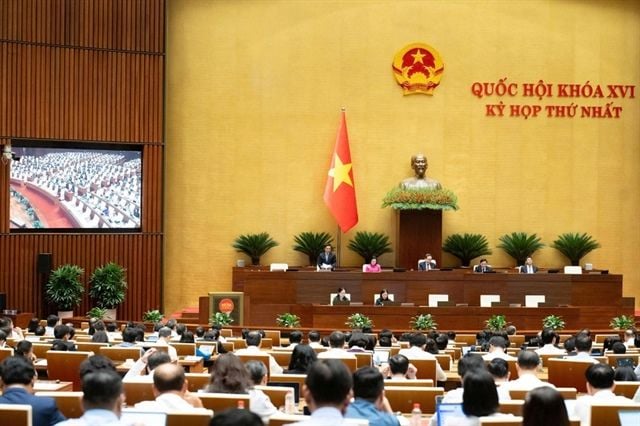
The Prime Minister has directed that draft laws, ordinances, and National Assembly resolutions should not directly delegate authority to ministers. The instruction aims to ensure the Government maintains unified state management across sectors.
Deputy Prime Minister Pham Thi Thanh Tra signed a Prime Minister’s document revising and supplementing laws and National Assembly resolutions, ordinances, and Standing Committee resolutions to uphold the principles of the Law on Organization of the Government.
Under the document, the Prime Minister requires 14 ministries and equivalent bodies to promptly amend and supplement 63 legal normative documents.
On decentralization and delegation of authority, the Prime Minister asked the leaders of the 14 ministries and agencies to absorb opinions, revise, and complete draft laws currently under preparation ahead of the First Session of the XVI National Assembly. At the same time, they must prepare dossiers for the Government to submit to the National Assembly for approval at the Second Session or submit to the Standing Committee, ensuring compliance with the Law on Promulgation of Legal Documents.
The document outlines specific preparation work across ministries and agencies, including:
The Prime Minister emphasized the need for explanations when delegating authority to ministers in laws and resolutions. If necessary, the responsible drafting body must justify the need.
The Ministry of Justice is tasked with strengthening its advisory role to help the Government draft laws, decrees, and resolutions, while strictly supervising draft documents submitted to the National Assembly and Standing Committee to ensure quality in both content and form.
In assessing draft laws, decrees, and resolutions, the responsibilities of ministries in implementing the above principles should be clarified, limiting to framework issues and principled matters within Parliament’s competence. For issues involving delegation of powers to local authorities, the Government should issue unified regulations to ensure flexibility and practicality.





Premium gym chains are entering a “golden era” that is ending or already in decline, as rising operating costs collide with shifting consumer preferences toward more flexible, community-based ways to exercise. Long-term memberships are shrinking, margins are pressured by higher rents and facility expenses, and competition from smaller, more personalized…