•
•
•
•
•
•
•
•
•
•
•
•
•
•
•
•
•
•
•
•
•
•
•
•
•
•
•
•
•
•
•
•
•


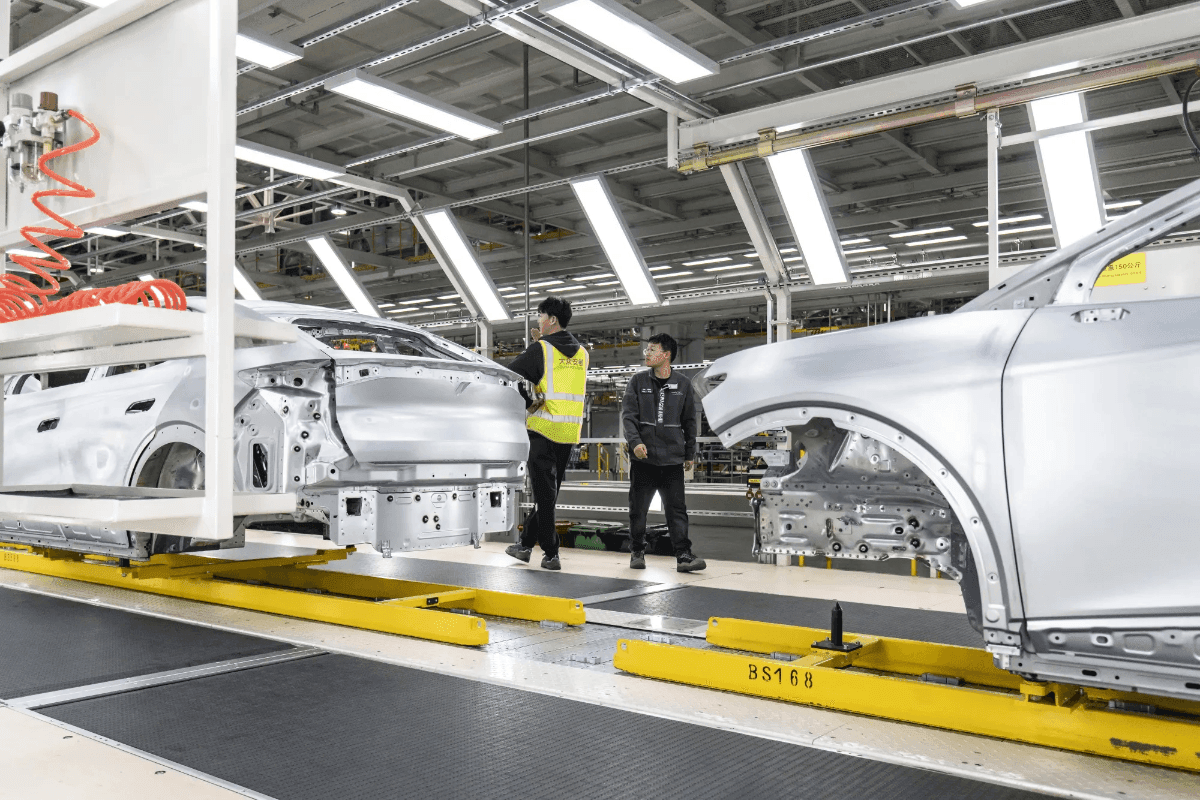
China has warned the European Union against a proposed law aimed at strengthening the bloc’s industrial base in response to cheaper imported goods, arguing it would discriminate against Chinese investors and violate market-economy principles.
According to the Financial Times, the legislation—described as the Industrial Acceleration Act—is among the EU’s most serious efforts to address high-tech imports from China and protect key European industries, including automotive manufacturing.
The EU’s objective is to increase the share of manufacturing in its GDP to 20% by 2035, up from 14.3% last year.
In a statement dated April 27, China’s Ministry of Commerce said the EU’s law would subject Chinese investors to discrimination and run counter to basic market-economy principles such as voluntary trade and fair competition.
The ministry added that the proposal undermines consensus between Chinese and European leaders on handling differences, potentially reducing Chinese firms’ expectations of investing in Europe.
China said it is willing to engage in dialogue, but warned that if the EU ignores China’s proposals, Beijing would have “no option but to respond with countermeasures.”
The law is widely viewed as the EU’s response to decades of practices in which foreign companies were required to invest with local partners and transfer technology, which European firms say has weakened their competitive position as Chinese manufacturers acquire and master technology.
The OECD estimates that Chinese producers receive subsidies 3–9 times higher than those available to firms in wealthy countries.
Some trading partners argue that China’s large trade surplus is linked to excessive subsidies, contributing to an influx of Chinese goods into foreign markets and weakening European competitors. China rejects accusations of overcapacity and says it is a pillar of globalization.
In parallel, the United States has imposed tariffs and the EU has taken steps to shield bloc manufacturing from what it views as unfair competition. The article also notes that the US and China are negotiating to extend a stalemate in their bilateral tariff dispute.
The EU’s proposed measures would restrict foreign investments above €100 million from countries responsible for more than 40% of global output in strategic sectors, including batteries, solar panels, and nuclear power.
Under the proposal, such investments would need to ensure at least 50% EU-based labor, involve local production partners, and include technology know-how transfers to European counterparts.
The plan would require negotiations with EU member states and the European Parliament before it could become law.
China’s Ministry of Commerce said the proposal would breach WTO principles and international agreements related to intellectual property and subsidies.
The ministry also warned that the law would slow Europe’s green transition, harm fair competition in the EU market, and create new shocks to multilateral trade rules.
It urged the EU to drop what it described as discriminatory treatment of foreign investors, localization requirements, mandatory intellectual property and technology transfer, and other protectionist procurement provisions.





Premium gym chains are entering a “golden era” that is ending or already in decline, as rising operating costs collide with shifting consumer preferences toward more flexible, community-based ways to exercise. Long-term memberships are shrinking, margins are pressured by higher rents and facility expenses, and competition from smaller, more personalized…




