•
•
•
•
•
•
•
•
•
•
•
•
•
•
•
•
•
•
•
•
•
•
•
•
•
•
•
•
•
•
•
•
•



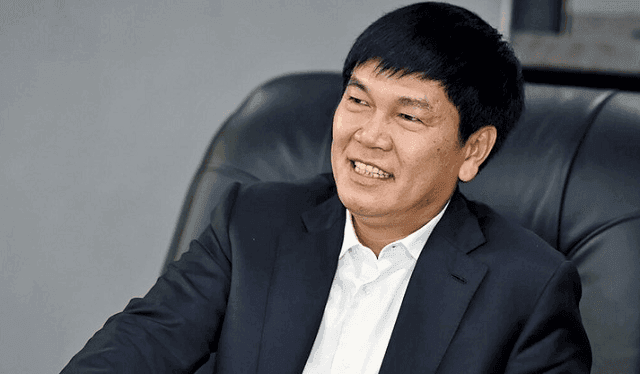
On the morning of April 24, 2026, at HDBank’s annual general meeting (AGM) of shareholders, Prof. Dr. Nguyen Thi Phuong Thao, Executive Vice Chairwoman of HDBank’s Board of Directors, addressed shareholders before the meeting concluded.
She opened by saying: “Before we close today’s AGM, I would like to share a few words, not in my capacity as Executive Vice Chair, but as someone who has accompanied HDBank from its earliest days and will continue to be part of this journey—through faith and steadfast dedication.”
On behalf of HDBank, she thanked the State Bank of Vietnam, the State Securities Commission, and other regulators for their ongoing support and guidance, saying this has helped create conditions for HDBank to grow safely, transparently, and sustainably.
She also expressed gratitude to more than 38,000 shareholders and domestic and international investors who have trusted and supported HDBank.
“Ladies and gentlemen, in this room today I see trust,” she said, describing it as the trust of nearly 40,000 institutional and individual shareholders and international organizations, and noting that behind them are “over 25 million customers” who have entrusted their financial futures to the bank.
She added that trust is reflected in different customer stories, including a mother saving over a lifetime, a small business expanding production, a family taking its first home, and stock market investors expecting steady, regular dividends.
She said that every figure in the financial statements represents people, and that this is the motivation for HDBank’s growth—“not merely to be bigger, but to serve with quality, safety, and advanced capabilities.”
She referenced that in 2025, HDBank achieved “impressive growth,” continued to perform among market leaders, and maintained strict asset-quality control, while emphasizing that the foundation for lasting sustainability matters most.
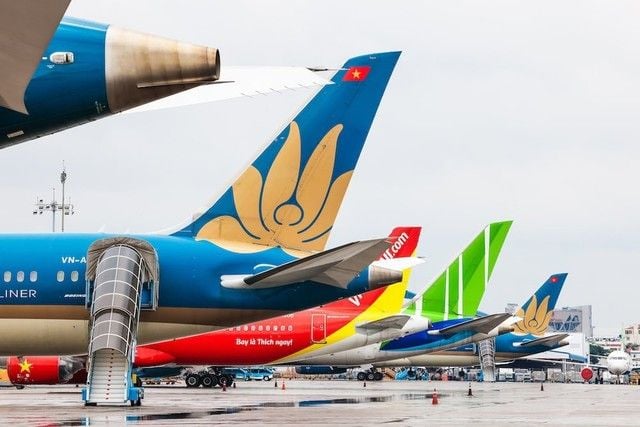
Prof. Dr. Nguyen Thi Phuong Thao described HDBank’s strategy as building a “complete financial-ecosystem,” where banking, consumer finance, securities, digital banking, and related sectors such as aviation and retail form a “closed value circle.” She said this is designed as a growth architecture intended to withstand volatility and capture opportunities, with technology as the “lifeblood” of the ecosystem.
She said HDBank is building a technology-led financial institution of the future, where data, automation, and artificial intelligence enhance decision-making and customer experience. She described the target as a “future-scale financial institution” that is diverse, intelligent, fast, and closest to customers.
She said Vietnam is entering a “historic development phase” with two-digit growth, while the International Financial Center is forming and global capital is seeking dynamic, stable, high-potential markets.
In that context, she stated that HDBank is actively connecting international capital markets and expanding cooperation with leading institutions to bring Vietnamese enterprises to the world and bring global capital to Vietnam.
She said HDBank’s commitments to shareholders include three priorities: sustainable growth based on a growth ecosystem and technology; governance to the highest international standards—transparent, disciplined, and responsible; and creating long-term value “not just for one year, but across generations.”
She added: “There are organizations that exist to report results. And there are organizations that exist to shape the future. HDBank chooses the latter.”
She concluded by framing HDBank’s direction as building a financial institution for a new era—where technology goes with humanity, growth goes with responsibility, and decisions today look toward tomorrow’s sustainable value—stating that when Vietnam rises and Vietnamese enterprises go global, HDBank will accompany, and will deliver value that is worthy, lasting, and sustainable through continuous innovation, clarity, and integrity.





Premium gym chains are entering a “golden era” that is ending or already in decline, as rising operating costs collide with shifting consumer preferences toward more flexible, community-based ways to exercise. Long-term memberships are shrinking, margins are pressured by higher rents and facility expenses, and competition from smaller, more personalized…