•
•
•
•
•
•
•
•
•
•
•
•
•
•
•
•
•
•
•
•
•
•
•
•
•
•
•
•
•
•
•
•
•


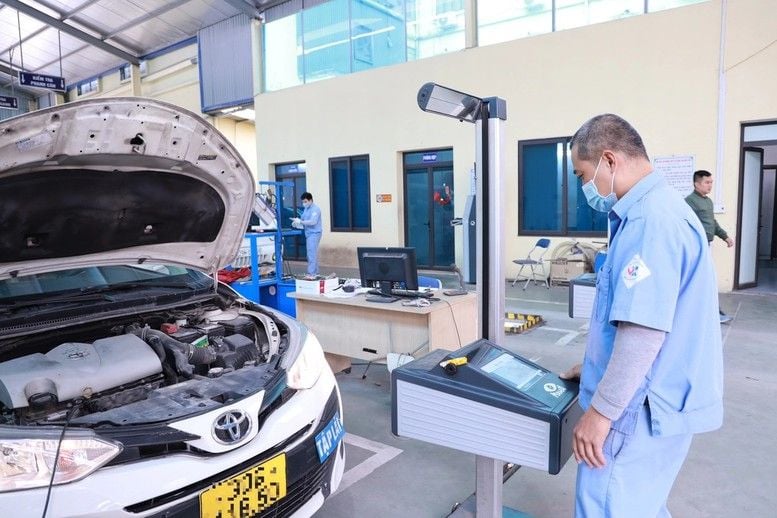
According to the draft circular, the data of vehicle violations that are refused for inspection will be searched in the Vietnamese Department of Registration’s violation notification software, rather than requiring checking penalty data on both the Police traffic department’s site and the registration authority’s portal. The aim is to streamline the process and rely on a single source of truth. The key change is that data used to identify vehicles refused inspection due to unresolved administrative violations will come from the Cục Đăng kiểm Việt Nam’s violation-notification system, as specified in Article 43, Clause 1 of the Road Traffic Law. Registration centers will be guided on how to determine the refusal status based on this data. Instead of cross-checking penalty data on both the CSGT and the Đăng kiểm portals, inspection centers will primarily rely on Đăng kiểm data. Under Article 14 of the draft, if the Đăng kiểm data shows a status of “not yet remedied” but the vehicle owner presents evidence of remediation (such as the penalty notice, penalty decision, and payment receipts), the inspection center will upload these documents into the system and proceed with inspection. Regulatory authorities state this approach will optimize procedures for citizens and enterprises. In practice, many cases have been refused inspection because the system had not yet updated after penalties were paid. The Đăng kiểm Việt Nam emphasizes that the new rule reflects a citizen-centered approach and greater transparency in the inspection process, preventing unreasonable refusals when owners have fulfilled their obligations. The draft also provides guidance on handling outages of the violation-data software or data-sharing issues with the police. Inspection centers will continue to operate under existing regulations, and once the outage is resolved, if a vehicle still falls into a refused category, the center will notify the owner and revoke the certificate; otherwise, a certificate will be issued. The draft introduces a requirement to verify vehicle registration data upon receipt of an inspection. If an unavoidable outage prevents software use, the center may issue a paper dossier and must update the system once the outage is resolved. If the vehicle’s manufacture, assembly, or import data does not match reality, the center must halt processing, inform the owner, and report to the police for coordinated handling; work continues only after confirmation. If data indicate a registered vehicle is seized or auctioned but no record exists in the system, the center will prepare a technical-specification form with supporting documents such as manufacturer notices or official evaluations. If vehicle registration data do not align with police data, the center will refuse to accept the dossier and require the owner to contact the registration authority. If the owner presents documents but data cannot be looked up or do not match, the center will refuse to accept the dossier and report to the police for handling per regulations. Overall, these flexible but strict procedures aim to ensure smooth operation, strengthen data governance, and enhance transparency in the process of vehicle inspection and enforcement.







Premium gym chains are entering a “golden era” that is ending or already in decline, as rising operating costs collide with shifting consumer preferences toward more flexible, community-based ways to exercise. Long-term memberships are shrinking, margins are pressured by higher rents and facility expenses, and competition from smaller, more personalized…




