•
•
•
•
•
•
•
•
•
•
•
•
•
•
•
•
•
•
•
•
•
•
•
•
•
•
•
•
•
•
•
•
•


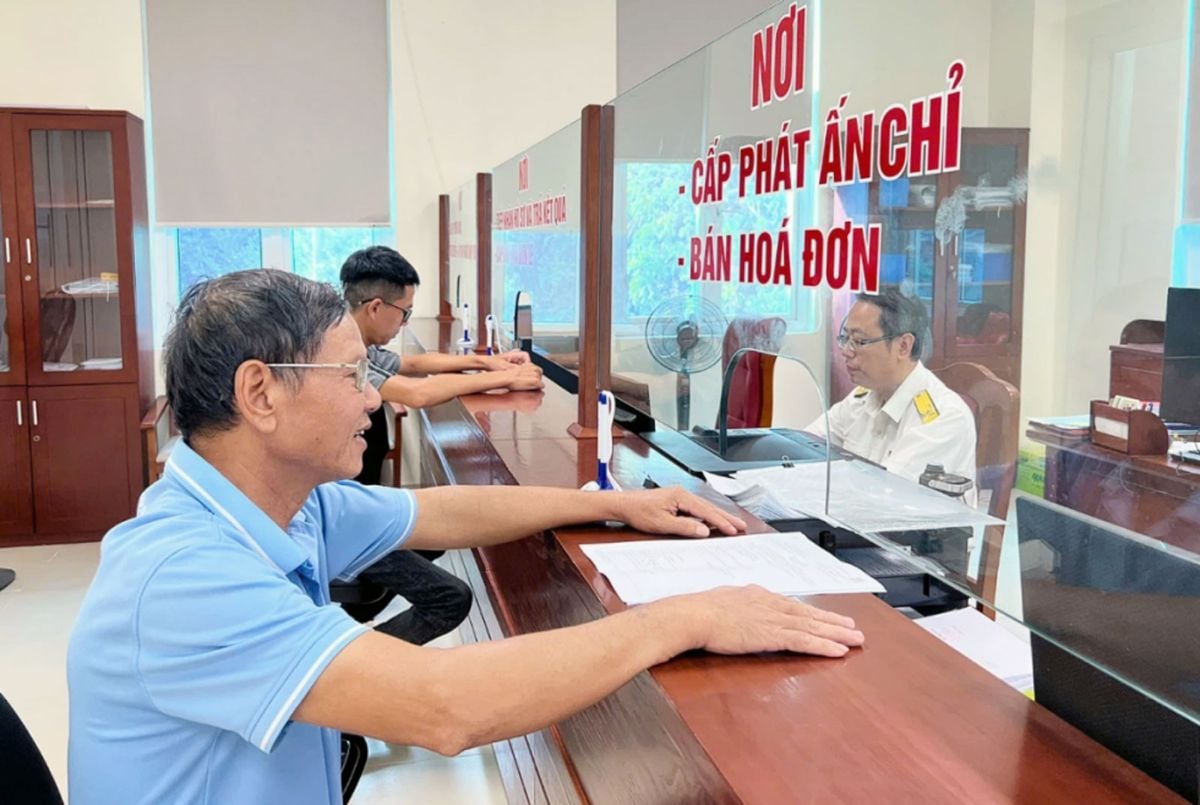
State budget revenue in Quảng Trị continued to grow in the early months of 2026, supported by sharp increases across several revenue lines. Tax authority data show that the production–business sector—particularly non-state enterprises and the foreign-invested sector—is becoming a key driver of local budget receipts.
In April 2026, total state budget revenue in Quảng Trị was estimated at 731 billion dong, equivalent to 7.5% of the central target and up 4.9% year on year.
Domestic revenue (excluding land-use fees, dividends and profits, and lottery revenue) reached 518.8 billion dong, up 12.6%.
In the first four months, total revenue reached about 3,447 billion dong, equal to 35.3% of the target and up 10.1% year on year. Domestic revenue totaled 2,474.3 billion dong, about 40.6% of the target and up 28.6%, indicating a clearer local economic recovery.
Within the revenue structure, receipts from the production–business sector showed notable gains. Revenue from non-state-owned enterprises reached 1,117.5 billion dong, up 34.4%, while state-owned enterprises recorded 222.6 billion dong, up 18.1%.
Revenue from the foreign-invested sector rose to 96.1 billion dong, up 93%, reflecting the effectiveness of investment projects and an improving business environment.
Several other revenue lines also increased significantly, including:
With a minimum target of 675 billion dong for May 2026, the Quảng Trị tax department is implementing a coordinated set of measures to achieve the annual state budget revenue target of 10,758 billion dong. The core actions include strengthening revenue administration, curbing revenue losses, accelerating debt collection, pushing administrative reform, and supporting businesses to overcome difficulties to boost production and business activity.
The “60-day action – Self-employed transformation, declaration compliance” campaign has been rolled out widely, including hundreds of training sessions, tens of thousands of promotional documents, and mobile support teams. Tax officers have visited markets, households, and streets to guide declarations, install applications, and resolve issues, creating a positive ripple effect in the business community.
To date, 100% of local micro businesses have completed the transition to the declaration method. The tax department is also coordinating with technology firms and commercial banks to implement free programs for electronic invoicing, accounting software, and tax declaration for periods from 3 months to 3 years.
These measures are intended to reduce costs for taxpayers while advancing digitization, improving transparency and efficiency in production–business activities, and strengthening the long-term foundation for budget growth.



Premium gym chains are entering a “golden era” that is ending or already in decline, as rising operating costs collide with shifting consumer preferences toward more flexible, community-based ways to exercise. Long-term memberships are shrinking, margins are pressured by higher rents and facility expenses, and competition from smaller, more personalized…