•
•
•
•
•
•
•
•
•
•
•
•
•
•
•
•
•
•
•
•
•
•
•
•
•
•
•
•
•
•
•
•
•


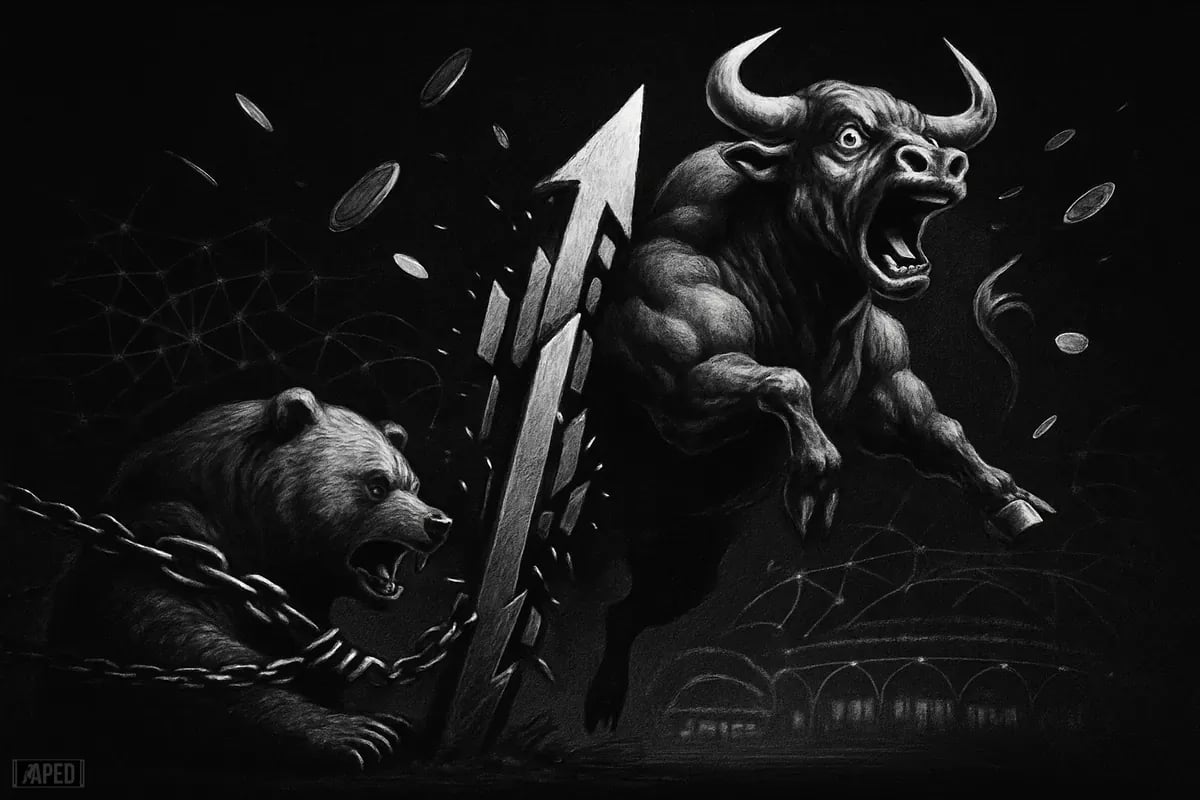
RAVE has delivered the kind of rally many traders say they will ignore—only to chase it anyway. Over roughly three weeks, the token’s price moved in vertical candles, accompanied by intense discussion around short squeezes and “market games,” giving the move a blend of breakout momentum and speculative frenzy.
The core story is straightforward: RaveDAO (RAVE) rose rapidly from around $0.25 to the mid-teens. The rally appears to be driven by a combination of momentum, thin liquidity, aggressive speculation, and a narrative that a Web3 project is finally being discovered. However, when a token can jump from about $0.25 to the mid-teens in a matter of days, the move is better described as an extreme volatility event than normal price discovery.
RAVE is presented as a decentralized Web3 project with DAO branding, community-driven governance, and an ecosystem-growth narrative. In market terms, the token is described as a low-float, high-volatility asset that has become a magnet for fast money.
Once traders focused on the move, RAVE shifted from behaving like a sleepy small-cap to acting like a momentum event. The reporting around the rally emphasizes broad drivers such as growing interest and ecosystem expansion, but those explanations alone do not account for a nonstop three-week pump. The article notes that sharp crypto moves typically require additional fuel—often leverage, illiquidity, and reflexive buying.
Reportedly, RAVE ran from roughly $0.25 to as high as the mid-teens, with some discussion of peaks approaching $20. The article characterizes this as an extreme volatility regime rather than a gradual repricing.
Research snippets cited in the content also reference open interest of about $141 million at one stage. The article frames this as a potential catalyst and risk indicator: high open interest in a thin, fast-moving market can amplify both upside squeezes and downside liquidations.
Technical commentary referenced in the same material flags a possible double-peak near $20 and downside risk toward roughly $15.34. The article describes this as a sign of a crowded market approaching an exhaustion zone, where failure to reclaim highs cleanly can quickly turn momentum participants into exit liquidity.
The bullish case, as presented, is that strong trends can remain irrational longer than most traders can stay positioned against them. If RAVE continues to hold pullbacks, attracts fresh spot buyers, and avoids a deep unwind in open interest, the path of least resistance may remain higher.
The content also points to a recurring market phenomenon in crypto: neglected tokens can suddenly receive sustained attention and reprice sharply. In some cases, these moves look extreme at first and still continue further.
Bulls may further argue that expanding visibility, active community engagement, and increasing exchange activity can support continued rerating. The article notes, however, that the trade becomes less forgiving when the move is already up several hundred percent.
The bearish case begins with market structure rather than sentiment. The article argues that vertical rallies built on tight liquidity and squeezes often do not form clean bases; instead, they can leave “air pockets.” When forced buying ends, there may be insufficient organic demand to support price.
Bears also point to speculative blow-off characteristics: exponential price action, late-arriving social media buzz, debate over manipulation, and rising derivatives attention. While the article says this does not guarantee a crash, it describes the type of market where a single ugly reversal can erase days of gains.
A key risk highlighted is that late buyers may assume liquidity will be available when they want to exit. The article contrasts how thin books can feel supportive during the rise but can quickly turn into “gravity” during a selloff.
The content frames RAVE as another example of how altcoin markets in 2026 reward speed over comfort. Small tokens can move from irrelevant to trending quickly, and by the time most participants ask why the token is pumping, the clean entry may already be gone.
It also underscores how crypto narratives can form around price action: if a chart is strong enough, the market supplies the thesis later. The article cautions that traders should separate story from structure—because the story may draw attention, but the structure determines how severely participants can be hurt.
The article’s bottom line is that RAVE’s rally appears supported by a setup built for momentum: thin liquidity, momentum chasing, likely short-squeeze dynamics, and a narrative that arrived as the chart turned vertical. That combination, it says, can keep running longer than skeptics expect.
At the same time, it can unwind quickly. The content suggests watching whether RAVE holds above recent breakout zones and whether open interest cools without price collapsing. If support breaks and liquidations shift the other way, the article expects a sharp flush rather than a gradual pullback.
Premium gym chains are entering a “golden era” that is ending or already in decline, as rising operating costs collide with shifting consumer preferences toward more flexible, community-based ways to exercise. Long-term memberships are shrinking, margins are pressured by higher rents and facility expenses, and competition from smaller, more personalized…