•
•
•
•
•
•
•
•
•
•
•
•
•
•
•
•
•
•
•
•
•
•
•
•
•
•
•
•
•
•
•
•
•


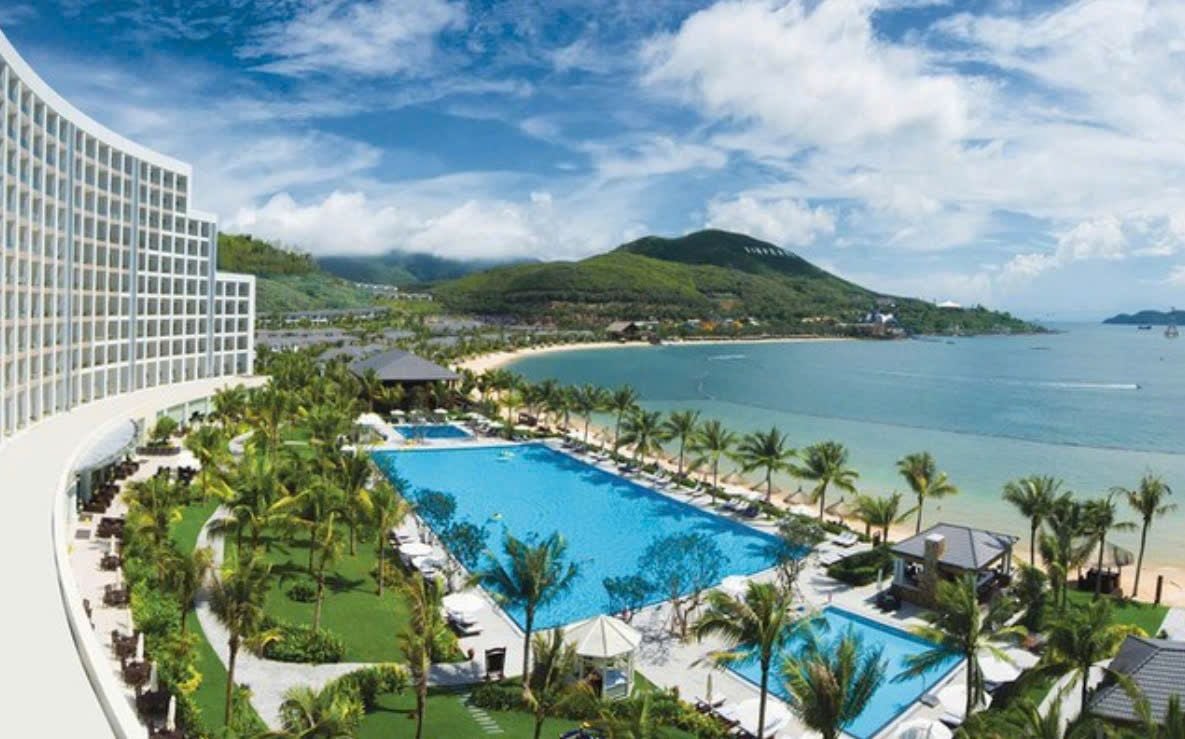
Real estate tourism and resort projects in Vietnam recorded new supply of 6,500 units in Q1 2026, down 22% from the previous quarter. Supply continues to be driven by premium resort “megacity” developments built around an integrated lifestyle–working–resort value chain. By product type, lower-rise and high-rise offerings are relatively balanced, accounting for 52% and 48% respectively.
Absorption showed signs of slowing. The absorption rate on new supply reached 45%, down 7 percentage points quarter-on-quarter. Total transactions were estimated at just over 2,900 units, down 30% compared with Q4 2025.
Cash flow is no longer being allocated broadly, but instead is concentrated in projects built on new development models—particularly coastal integrated cities designed to meet living, working, resort, lodging and business exploitation needs. Projects with competitive advantages that create distinctive living experiences and enable efficient exploitation continue to attract investor interest.
Several factors are supporting demand. These include the unlocking of supply through a series of large-scale projects; the rise of products combining living and resort components that support long-term ownership while also enabling business operations, helping form a closed value ecosystem and improve liquidity. In parallel, capital costs are tending to soften as developers offer financial incentives such as high discounts and extended payment schedules. One notable program allows buyers to pay 70% to take possession, with the remaining amount due after two years of exploitation, easing early cash flow pressure and stimulating investment.
The tourism recovery—especially with rising international visitor numbers—provides a positive foundation for rental activity. Transport infrastructure investment is also continuing to improve inter-regional connectivity and shorten travel times. Alongside traditional tourism markets, demand is increasingly moving toward health-care integrated resort products in peri-urban areas.
In the primary market, prices are maintaining a mild upward trend amid input-cost pressure. In Q1 2026, prices for high-rise products ranged from 39–200 million VND per m², up 10% year-on-year. For the low-rise segment, asking prices generally ranged from 8–170 billion VND per unit, up 9% year-on-year.
Some projects have implemented price adjustments alongside promotional incentives to support liquidity, but overall prices remain high. The reported reasons include pressure from land costs, capital costs and interest rates at elevated levels, as well as fluctuations in material costs—factors that narrow the room for price reductions.
Looking ahead, 2026 is expected to be a phase in which asset-quality optimization becomes the guiding trend for Vietnam’s resort real estate market. Investors that proactively upgrade, reposition, standardize operations, and align projects with destination development strategies are expected to lead the next growth cycle.
By contrast, projects lacking a clear identity or not keeping pace with market requirements are likely to face liquidity pressure, potentially leading to restructures or exits. The market is expected to develop more healthily and sustainably through natural selection and a growing role for professional investors.
“A resort real estate year 2026 is no longer a race for quantity but a competition on quality, experience and long-term vision — the key factors determining who holds an advantage in the new growth cycle,” a representative of Avison Young Vietnam noted.
At a recent real estate event, VinaLiving CEO Hiếu Đỗ said structural changes are needed to lay the foundation for long-term growth and sustainable demand. For the resort segment, development direction should be guided by sustainable supply planning aligned with long-term destination growth.
Despite supportive factors, resort real estate still faces external uncertainties from the global tourism industry. Fluctuations can affect guest stays and leasing performance, and indirectly influence cash flow and investment decisions in the resort segment.
Mr. Mauro Gasparotti, Senior Regional Director for Southeast Asia of Savills Hotels, said geopolitical tensions can pose near-term challenges to global travel. The Middle East—an important international transfer hub connecting Europe with the Asia-Pacific—is affected by instability, which can impact intercontinental travel volumes. He also noted that while Vietnam is flexible and adaptable, geopolitical factors could disrupt travel demand, as reflected in increased flight cancellations, delays and itinerary changes in major international markets.
Nevertheless, Vietnam is expected to be affected less than many other destinations due to not being overly reliant on European and Middle Eastern markets. Its proximity to key Northeast Asian source markets, especially Korea and China, remains a strong support as travelers prefer closer, convenient and accessible destinations.
Premium gym chains are entering a “golden era” that is ending or already in decline, as rising operating costs collide with shifting consumer preferences toward more flexible, community-based ways to exercise. Long-term memberships are shrinking, margins are pressured by higher rents and facility expenses, and competition from smaller, more personalized…