•
•
•
•
•
•
•
•
•
•
•
•
•
•
•
•
•
•
•
•
•
•
•
•
•
•
•
•
•
•
•
•
•


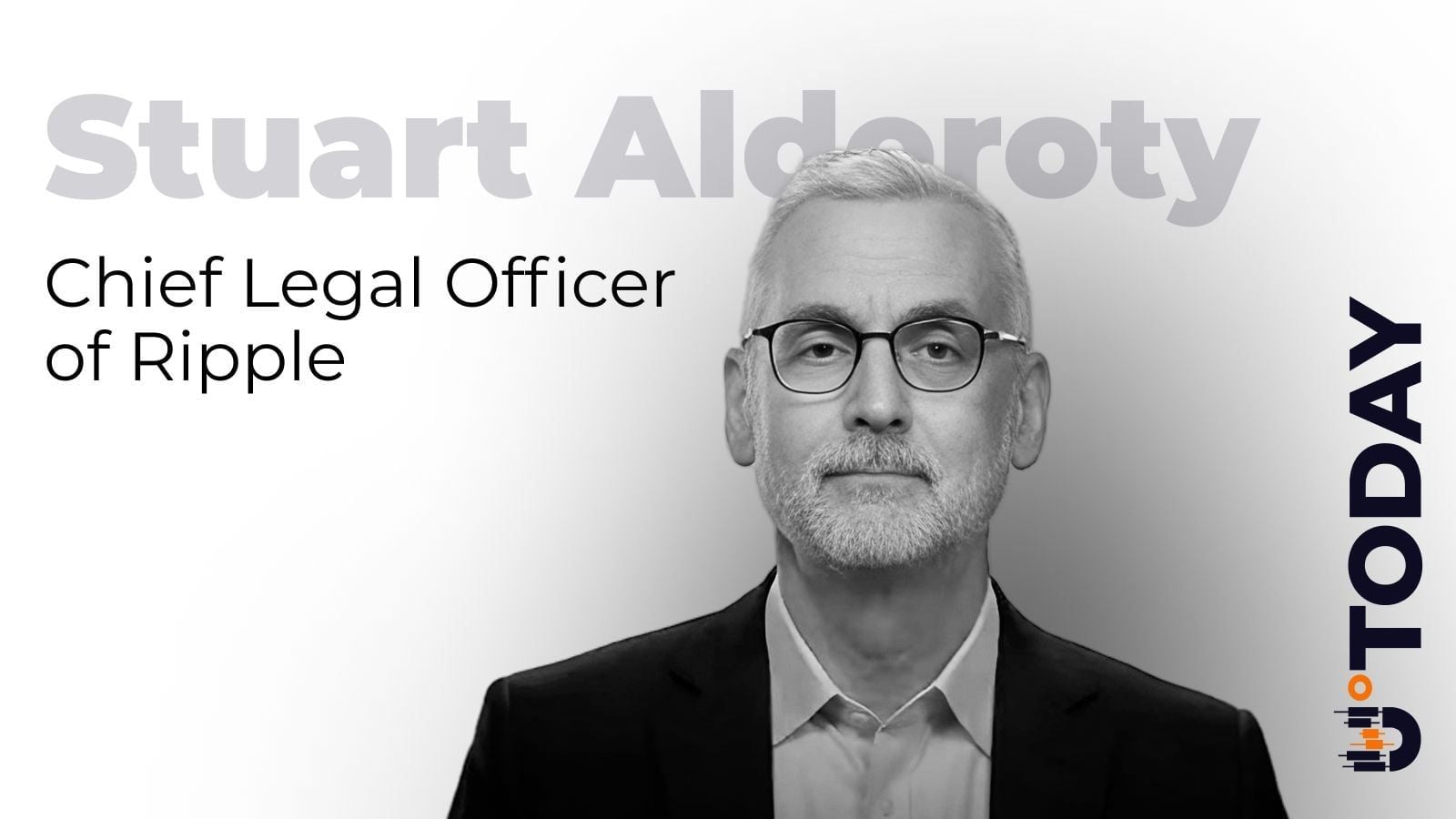
Ripple Chief Legal Officer Stuart Alderoty cited new data indicating that 67 million Americans now hold cryptocurrency, arguing that crypto investors are “everyday Americans” whose collective influence should not be ignored by politicians. The remarks come ahead of tomorrow’s high-stakes CLARITY Act markup, as Ripple’s leadership continues to push for the bill’s progression.
The figures were drawn from the National Crypto Association’s (NCA) 2026 State of Crypto Holders Report. According to the report, California leads the U.S. with 9.5 million crypto holders, followed by Texas with 5.94 million and Florida with 4.71 million.
The report also states that even states with the lowest concentrations maintain a minimum of approximately 99,000 holders.
Ripple’s leadership has positioned the company as a vocal proponent of the CLARITY Act, describing it as a necessary step for the digital asset industry and for millions of American citizens. Alderoty endorsed the bill’s progression, and U.Today reported that Ripple executives characterized the markup as a “meaningful step forward” for the U.S. regulatory landscape.
U.Today also reported that Ripple CEO Brad Garlinghouse emphasized that “clarity is better than chaos” in crypto regulation. That stance has drawn criticism from some in the cryptocurrency community, including Input Output CEO Charles Hoskinson, who argued that the bill—despite amendments—should not be passed.
After various amendments, the key crypto legislation remains under consideration, with the CLARITY Act’s future still uncertain as the markup approaches.
Separately, U.Today reported that Galaxy CEO Mike Novogratz urged Democrats not to “cave” to anti-crypto positions, stressing the importance of cryptocurrency innovation in the United States.
Premium gym chains are entering a “golden era” that is ending or already in decline, as rising operating costs collide with shifting consumer preferences toward more flexible, community-based ways to exercise. Long-term memberships are shrinking, margins are pressured by higher rents and facility expenses, and competition from smaller, more personalized…









![Humanity [H] falls 17% as volume collapses; potential rebound or deeper breakdown ahead](/_next/image?url=https%3A%2F%2Fimages.indexcdn.com%2Fhumanity_h_crashes_17_rebound_or_deeper_breakdown_whats_20260513_bc5328420e.jpg&w=2560&q=85)

