•
•
•
•
•
•
•
•
•
•
•
•
•
•
•
•
•
•
•
•
•
•
•
•
•
•
•
•
•
•
•
•
•


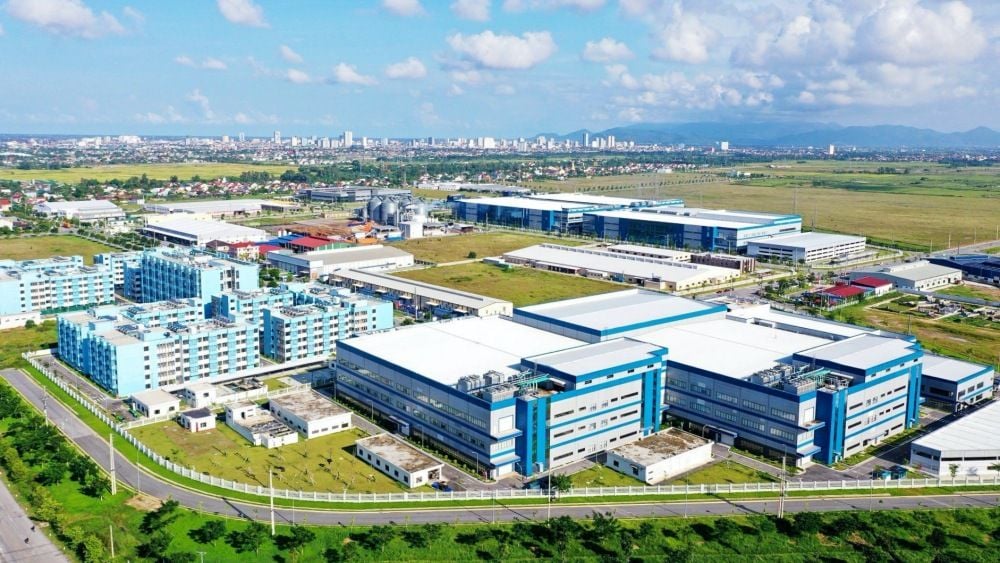
Saigon VRG Investment JSC (ticker SIP) will finalize the shareholder list on May 15, 2026 to pay the second cash dividend for 2025 at a rate of 40%. The payment date is June 5, 2026.
Ho Chi Minh Stock Exchange (HoSE) has issued a notice stating that May 15, 2026 is the final registration date to receive the dividend for Saigon VRG Investment.
Accordingly, the company will pay a 2025 second dividend in cash at 40%. This means shareholders will receive 4,000 dong per share (for each 1 share held).
With more than 242.1 million SIP shares outstanding, Saigon VRG Investment is expected to pay nearly 968.5 billion dong for this dividend tranche.
In December 2025, Saigon VRG Investment paid the first 2025 dividend of more than 242.1 billion dong at 10%, equivalent to 1,000 dong per share.
In its consolidated financial statements for Q1 2026, Saigon VRG Investment reported net revenue of nearly 2,164.8 billion dong, up 11.5% year over year. After deducting taxes and fees, net profit was nearly 356.6 billion dong, down 11.4%.
For 2026, the company targets after-tax profit of around 874.2 billion dong. By the end of Q1, it had completed 40.8% of its projected profit.
As of March 31, 2026, Saigon VRG Investment’s total assets rose 2.4% year to date to over 29,353.7 billion dong. Short-term financial investments were nearly 10,917.2 billion dong, accounting for 37.2% of total assets.
On the liabilities side, total liabilities stood at over 23,178.4 billion dong, up by more than 322 billion dong from the beginning of the year. Borrowings and finance lease liabilities exceeded 4,659 billion dong, representing 20.1% of total liabilities. Unallocated long-term revenue was more than 13,434 billion dong, accounting for 58% of total liabilities.
Premium gym chains are entering a “golden era” that is ending or already in decline, as rising operating costs collide with shifting consumer preferences toward more flexible, community-based ways to exercise. Long-term memberships are shrinking, margins are pressured by higher rents and facility expenses, and competition from smaller, more personalized…