•
•
•
•
•
•
•
•
•
•
•
•
•
•
•
•
•
•
•
•
•
•
•
•
•
•
•
•
•
•
•
•
•


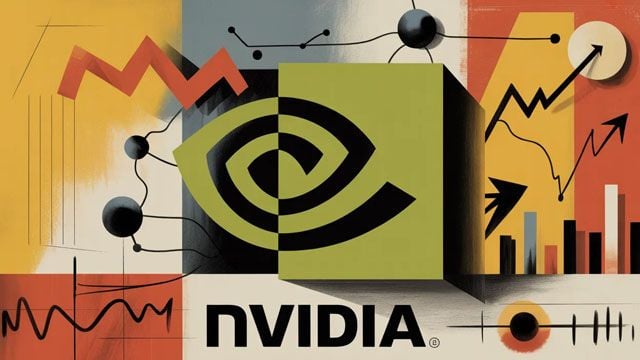
After years of sustained rallies, semiconductor stocks are now flashing one of the most extreme technical warning signals seen in more than two decades.
In this trend, stocks tracked under the PHLX Semiconductor Index have seen the weekly Relative Strength Index (RSI) reach 85.54, the highest reading since the height of the Dot-com bubble.
The index has surged above 11,775 in a rally fueled by booming demand for artificial intelligence chips. However, the sharp momentum has increased concerns about a potential correction.
The RSI is a momentum indicator that measures price strength on a scale of 0 to 100. At 85.54 on a weekly basis, it is at levels that have historically signaled overbought conditions and preceded notable pullbacks.
Semiconductor gains have been among the strongest in years, driven by enthusiasm around AI infrastructure. While such stretched conditions can reflect strong demand, they can also indicate buyer exhaustion, prompting traders to watch for signs of weakening momentum.
Concerns over the sustainability of the AI boom have also grown, even as spending continues to rise. Major technology companies are expected to spend more than $70 on data center expansion in 2026 alone, directly benefiting chipmakers.
Hyperscalers are set to spend $700 billion on AI infrastructure this year.
Investors are already comparing today’s AI boom to the 2001 internet bubble. Still, skeptics warn of risks tied to diminishing returns, energy constraints, and uncertainty over how quickly AI investments can generate meaningful profits.
Market concentration has further added to investor unease, with a small group of AI-linked stocks driving much of the gains in major indices.
Premium gym chains are entering a “golden era” that is ending or already in decline, as rising operating costs collide with shifting consumer preferences toward more flexible, community-based ways to exercise. Long-term memberships are shrinking, margins are pressured by higher rents and facility expenses, and competition from smaller, more personalized…