•
•
•
•
•
•
•
•
•
•
•
•
•
•
•
•
•
•
•
•
•
•
•
•
•
•
•
•
•
•
•
•
•
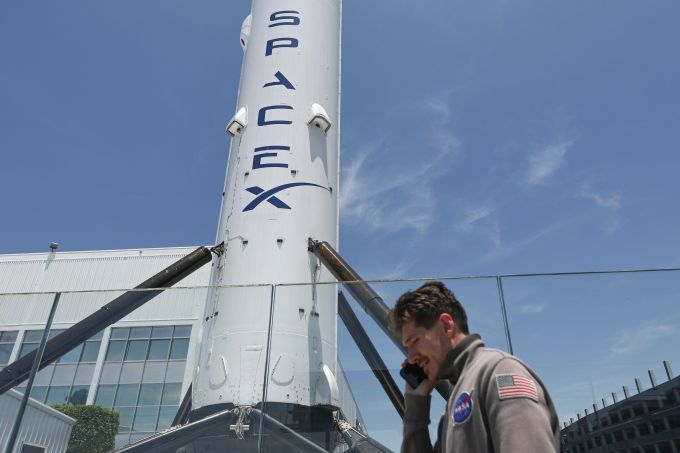
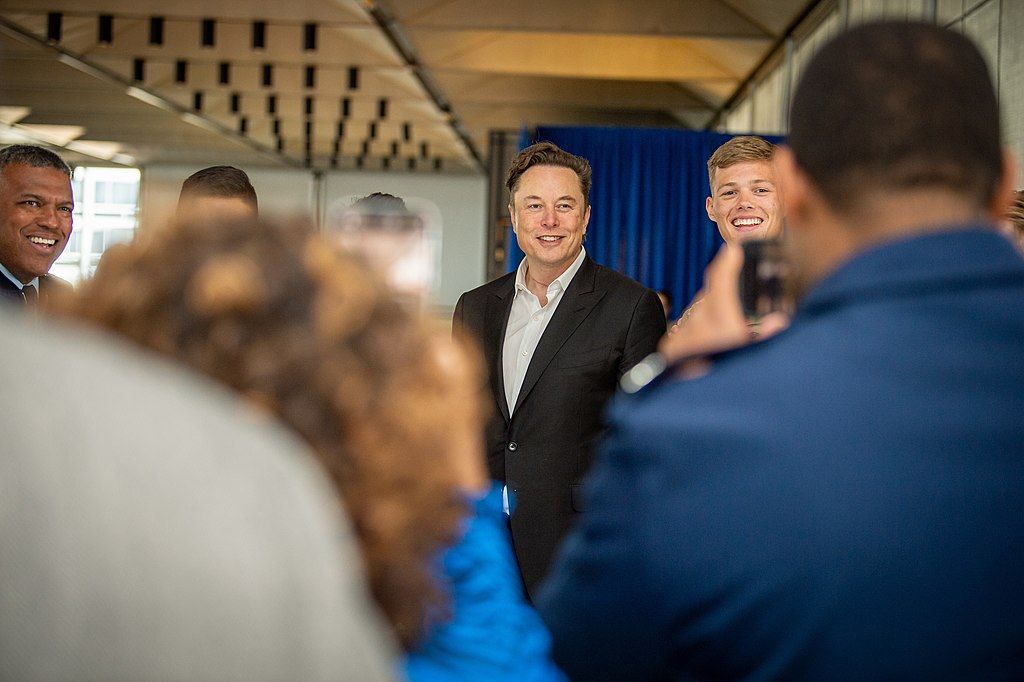
SpaceX, Elon Musk’s rocket and spacecraft maker, priced its initial public offering (IPO) at $135 per share, raising $75 billion by selling 555.56 million shares. The offering valued the company at about $1.77 trillion, the highest valuation ever recorded for a company at its debut.
The $135 share price reflected strong demand from individual investors, who accounted for a significant portion of the demand. After the IPO, Musk is expected to still hold roughly 82% of the voting power.
SpaceX also said it may set aside up to 30% of the shares for individual investors. Reuters described the company’s approach to pricing before the roadshow—rather than basing the price on the book-building process—as unusual.
The IPO broke the world record for the largest IPO, surpassing Saudi Aramco’s 2019 listing. When trading begins on Nasdaq on June 12, SpaceX would rank as the seventh-largest U.S. company by market capitalization, behind JPMorgan Chase, Berkshire Hathaway, Eli Lilly, Meta Platforms and Tesla.
Market experts said the IPO’s pricing and size challenged traditional market conventions. Some analysts, however, questioned whether the valuation is justified given the company’s losses last year.
Coinbase has launched a High Yield USDC vault within its in-app DeFi lending offering, adding a second lending option that provides exposure to a wider range of collateral assets. The product is powered by Morpho infrastructure and uses vault allocations curated by Steakhouse Financial.