•
•
•
•
•
•
•
•
•
•
•
•
•
•
•
•
•
•
•
•
•
•
•
•
•
•
•
•
•
•
•
•
•
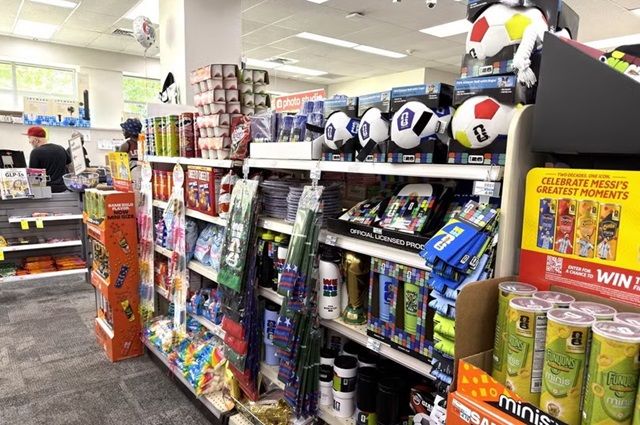
World Cup 2026 is forecast to generate 41 billion USD for the global economy, creating revenue growth opportunities across industries ranging from media and consumer goods to toys, sportswear, food and hospitality.
With 48 teams, 104 matches and a global audience forecast to exceed 6 billion, World Cup 2026 is positioned as both the biggest sporting event and a major commercial opportunity. The tournament adds 16 teams compared with World Cup 2022 in Qatar.
FIFA expects the expanded scale to lift revenue to about 8.9 billion USD, up 56% from 2022. The breakdown cited in the article includes:
Vincent Chaudel, founder of the French Sports Business Observatory, said the additional 16 teams increase the number of markets watching the tournament, supporting demand for TV rights, advertising and tickets. He also noted that ticket prices are higher this year, reflecting purchasing power in the US market.
Toy and souvenir producers tied to football are also benefiting. Lego partnered with FIFA to release a full-size buildable World Cup trophy priced at 180 euros (about 207 USD). The company said the product has attracted strong fan interest and is among its best-selling items in France since March.
Panini album and World Cup sticker collections continue to sell quickly, with many bookstores and newsstands in France reportedly running out of stock.
Circana, a market research platform, said global sales of football-related toys in the first four months of 2026 rose 160% year over year. The market is now broader than sticker cards and includes a wider range of products.
Sports equipment and apparel makers expect a revenue boost as the global sports apparel market shows slower growth. Adidas, sponsor of 14 national teams this year, said it received about 250 million euros (approximately 288 million USD) in World Cup-related orders in the first quarter and expects demand to remain high. RBC Capital Markets estimated that World Cup 2026 could add roughly 1.3 billion USD in additional revenue for Nike, which sponsors 12 teams including France, England and Brazil.
The beverage and fast-food sectors are also expected to benefit. Jefferies analysts said beer consumption during the World Cup could rise by about 1 billion cans, representing a 3% increase in the global sector’s revenue. AB InBev and Heineken are cited as direct beneficiaries.
Coca-Cola, FIFA’s longtime partner, has launched special-edition products reflecting the colors of national teams. PepsiCo is increasing promotion through Lay’s, introducing 40 new flavors inspired by 40 World Cup teams, including many country-specific flavors.
Restaurant chains and foodservice operators are also expected to see higher foot traffic. Technomic estimated the World Cup could bring about 1.9 billion USD in U.S. dining and drinking sector revenue. The article names global brands such as McDonald’s, Starbucks and Shake Shack as likely biggest beneficiaries due to high brand recognition among international visitors.
In contrast, the impact on the TV market is expected to be more modest. While the World Cup can encourage home entertainment upgrades, analysts say any sales uplift is likely to be temporary. Competition from Chinese manufacturers and price pressures are also described as squeezing margins for consumer electronics.
Overall, the article frames World Cup 2026 as a large-scale commercial event, leveraging a strategy to turn football into a global entertainment product.





Coinbase has launched a High Yield USDC vault within its in-app DeFi lending offering, adding a second lending option that provides exposure to a wider range of collateral assets. The product is powered by Morpho infrastructure and uses vault allocations curated by Steakhouse Financial.