•
•
•
•
•
•
•
•
•
•
•
•
•
•
•
•
•
•
•
•
•
•
•
•
•
•
•
•
•
•
•
•
•



During the annual general meeting on the morning of April 25, 2026, Techcombank Chairman Ho Hung Anh said the bank maintains a “low risk, high return” strategy, focusing on areas where risk is minimized while delivering high profitability. He added that Techcombank aims to secure cheap, sustainable funding.
Ho Hung Anh said the bank has continued to build low-cost funding streams such as CASA and to develop products including Sinh Loi Tu Dong. He also noted that Techcombank is working to expand fee income through platforms such as TCBS and through bond-related fees, while continuing to expand its insurance business.
Commenting on Vietnam’s economic outlook, Ho Hung Anh said Vietnam is a developing country with very high expectations. He said Techcombank analyzes sectors with potential and focuses on areas where it can execute best.
On real estate, he described it as a sector that has contributed to Vietnam’s development for many years and is expected to continue doing so. He said real estate carries both significant potential and risk, but that in the next 5–10 years it will still develop in Vietnam. He emphasized that the key issue is how banks manage risk.
Ho Hung Anh said Techcombank lends only to projects with good liquidity and complete legal documentation, and it focuses on strong borrowers, both corporate and individual. He added that the bank does not fund projects with incomplete legal bases or those with liquidity risks.
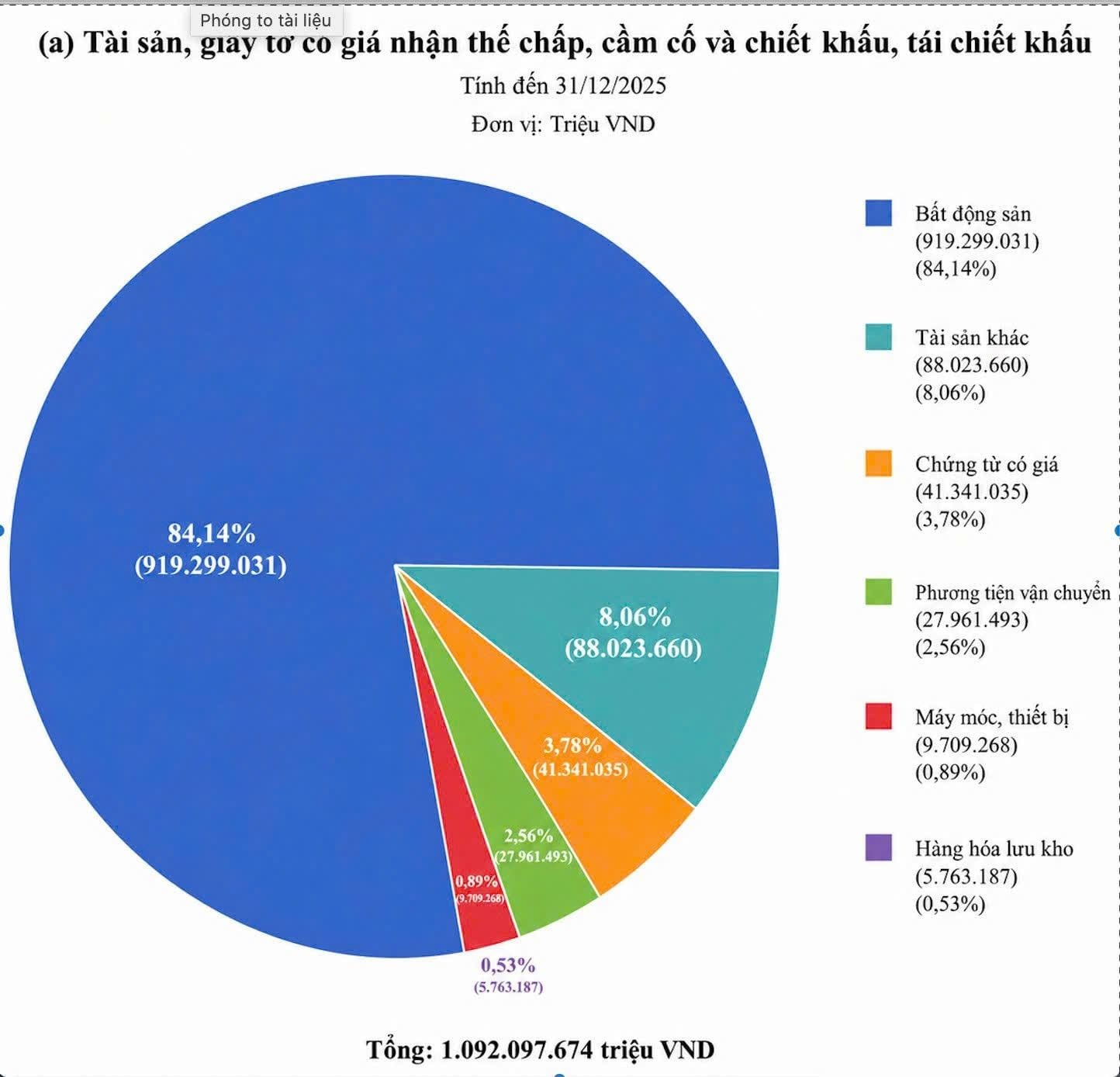
In personal lending, Ho Hung Anh said the largest share of customer exposure currently is real estate. He stated that the bad debt ratio in real estate for both individuals and enterprises has consistently remained below 1%.
He also said the actual capital recovery rate is 100%. “Any real estate asset, even if it falls into bad debt, can see Techcombank recover all the money after about 2-3 years, at least the principal,” he said.




Premium gym chains are entering a “golden era” that is ending or already in decline, as rising operating costs collide with shifting consumer preferences toward more flexible, community-based ways to exercise. Long-term memberships are shrinking, margins are pressured by higher rents and facility expenses, and competition from smaller, more personalized…