•
•
•
•
•
•
•
•
•
•
•
•
•
•
•
•
•
•
•
•
•
•
•
•
•
•
•
•
•
•
•
•
•


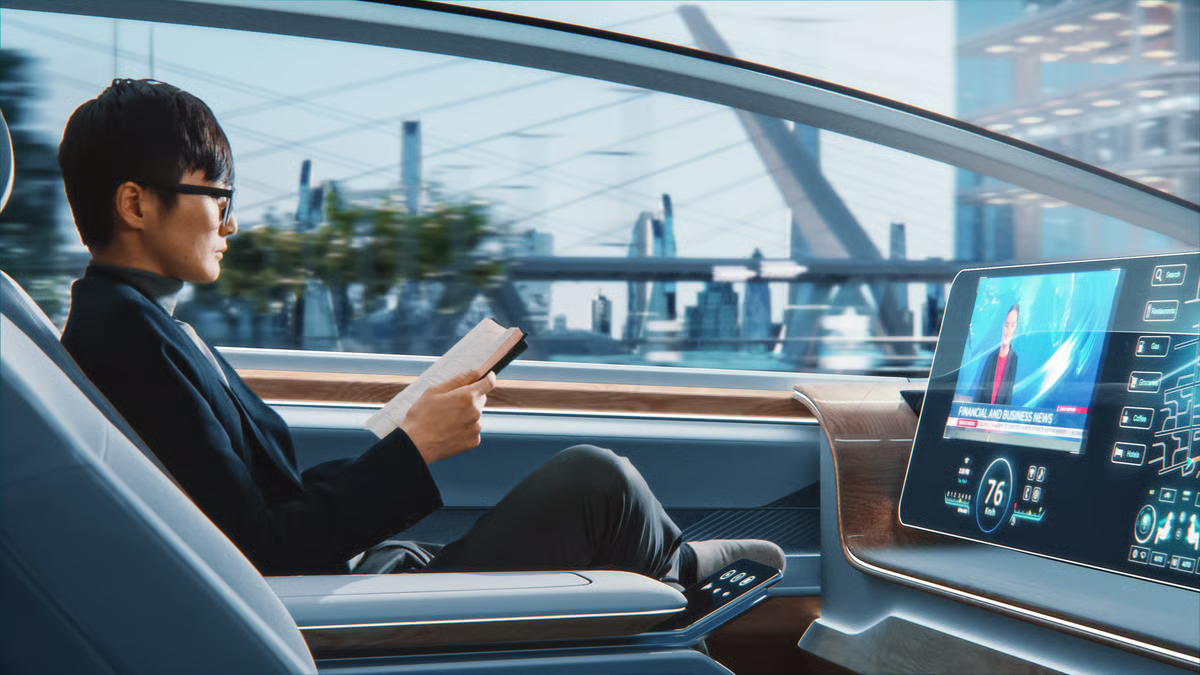
Tesla stock is not just a bet on the future of an electric vehicle (EV) company; it is also a long-term wager on whether artificial intelligence (AI) can be turned into large-scale businesses through technologies such as self-driving cars and humanoid robots. That distinction is central to whether investors view the shares as a buy in 2026.
Tesla is priced for the future rather than the present. The company trades at a price-to-earnings ratio above 300, a level far above traditional automakers and even many technology companies. The implication is that the market expects Tesla to become something much larger than a car manufacturer.
However, Tesla’s current revenue base remains heavily tied to vehicle sales. In 2025, the company delivered roughly 1.6 million cars, and about 73% of revenue came from selling vehicles. This creates a gap between today’s earnings reality and the future expectations embedded in the valuation.
That gap introduces risk for investors: if Tesla delivers on its ambitions, the stock could rise further, but if progress slows, the premium valuation leaves limited room for disappointment.
Whether Tesla is a buy depends largely on how long investors plan to hold the stock. In the short term, the outlook appears mixed. Vehicle sales fell in 2025, competition is increasing, and Tesla cut prices to remain competitive.
Over the long term, the opportunity is framed as much broader. Tesla is building toward self-driving cars that do not require human drivers, robotaxi networks intended to generate recurring income, and humanoid robots that could automate labor. If even one of these initiatives succeeds at scale, the company’s business model could shift significantly.
As a result, the stock is characterized less as a short-term trade and more as a long-term bet on execution.
Tesla’s future hinges on whether autonomy can work reliably in real-world conditions across different environments and scenarios. The company must demonstrate that its cars can drive safely without human drivers—not only in tests, but across cities, traffic conditions, and everyday situations. The article also notes that this is both a major technical and regulatory challenge.
Beyond autonomy, Tesla must also deliver on newer ventures, including robotaxis and humanoid robots. At the same time, the company faces rising competition in electric vehicles and ongoing pressure on pricing—risks that persist even if the long-term vision develops as planned.
The article concludes that Tesla is not an obvious buy in the second quarter of 2026, but it also should not be dismissed outright. The shares are expensive, and long-term success depends on execution across EVs and other ventures.
For investors, the central question is not whether Tesla sells more cars next year, but whether the company can turn its ambitious ideas into real, profitable businesses over the next decade. If investors believe that can happen—and can tolerate volatility—the stock may still warrant a place in a portfolio. If not, the article suggests waiting for clearer proof or a better price.




Premium gym chains are entering a “golden era” that is ending or already in decline, as rising operating costs collide with shifting consumer preferences toward more flexible, community-based ways to exercise. Long-term memberships are shrinking, margins are pressured by higher rents and facility expenses, and competition from smaller, more personalized…