•
•
•
•
•
•
•
•
•
•
•
•
•
•
•
•
•
•
•
•
•
•
•
•
•
•
•
•
•
•
•
•
•



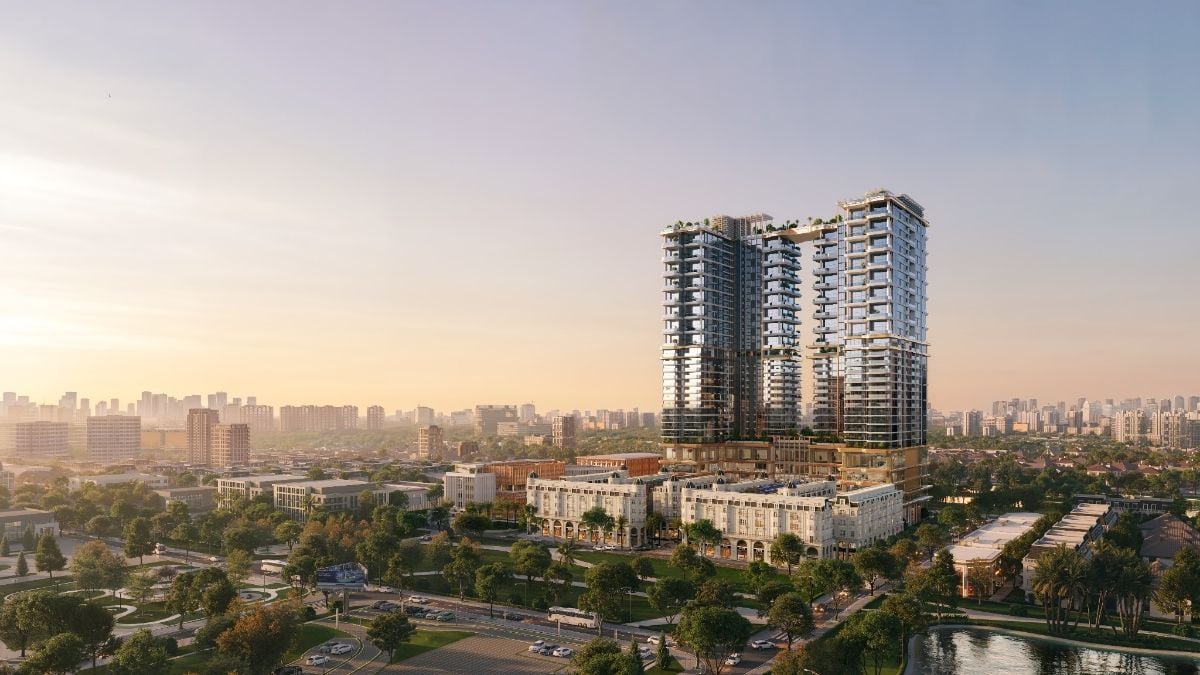
In the western area of Ho Chi Minh City, infrastructure development, industrial growth, and population movement have driven the emergence of new real estate projects. As supply rises, market expectations are shifting: projects are increasingly expected to do more than provide housing, instead supporting daily economic activity through real commercial functions. Thanh Phú Centre Point is presented as a project BIM Land plans to develop as an integrated, trade-oriented urban center at the western gateway.
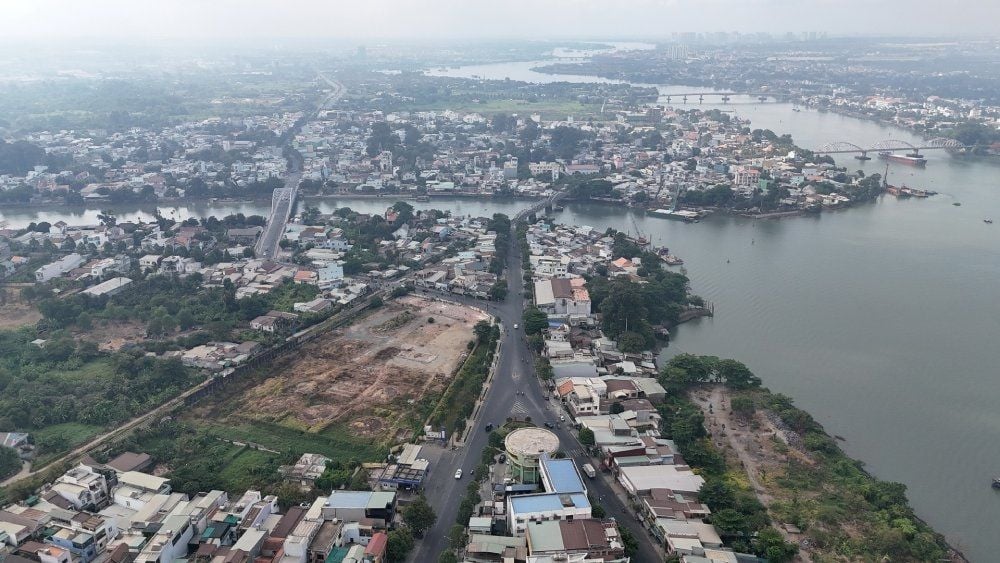
Located in Ben Luc, Thanh Phú Centre Point is described as benefiting from a position that connects Ho Chi Minh City with the Mekong Delta via major infrastructure axes. From the planning stage, the project is said to be organized around a deliberate structure rather than a simple subdivided model, using a central urban axis to connect multiple layers of commercial space and community areas.
The development directive is summarized as: “1 urban axis – 3 tiers of commerce – 6 communities – 1 regional destination,” aiming to create a connected system instead of separate functional subzones.
The project includes a large-scale commercial complex, a central park spanning nearly 8 hectares, and squares and event spaces positioned as “operating cores” to shape movement and interaction across the area.
With an approximately 9.5-hectare commercial hub identified as the main draw, the plan also incorporates public spaces such as squares, outdoor stages, and event areas intended to support regular festivals, entertainment, and trading activities.
Shopping streets, culinary spaces, and a growing range of amenities are designed to extend dwell time, converting pedestrian movement into consumer activity. Alongside this, the overall plan interweaves townhouse, shophouse, and villa products to maintain daily life within the district.
A key element highlighted is that operability was considered from the design stage. According to Codinachs Architects, the project uses diverse but controlled forms, with each product type intended to serve different user needs and behaviors.
For commercial products such as shophouses, a “private passage” design is described as separating movement between business and living spaces, enabling flexible operation under multiple scenarios including living, business, or independent rental.
For residential product groups, ecological setbacks, green spaces, and water features are integrated throughout to balance urban activity with a resort-like leisure environment.
Thanh Phú Centre Point is planned with more than 1,200 units in the initial phase, including townhouses, villas, and shophouses, targeting buyers who require housing while also seeking commercial potential.
The build density is stated to be around 14%, while nearly 48% of land is allocated to green space and amenities, indicating a priority for living experience and community space rather than maximizing built area.
The project also reportedly leverages natural landscape elements, including existing canal ecosystems, to develop water bodies and green corridors as part of the urban identity. Amenities cited include a central pool over 3,000m2, a sports village, lakeside promenades, and outdoor event spaces intended to serve residents and attract visitors from neighboring areas to help sustain activity across the district.
As the western region shifts from infrastructure development toward forming more authentic urban centers, projects that can organize flows and sustain commercial activity are described as increasingly important for long-term value.
From planning to operation, Thanh Phú Centre Point is presented as aligning with this orientation by developing living spaces while also shaping an urban structure intended to “hold the flow,” where people, consumption, and economic activity can form and grow locally.

Premium gym chains are entering a “golden era” that is ending or already in decline, as rising operating costs collide with shifting consumer preferences toward more flexible, community-based ways to exercise. Long-term memberships are shrinking, margins are pressured by higher rents and facility expenses, and competition from smaller, more personalized…