•
•
•
•
•
•
•
•
•
•
•
•
•
•
•
•
•
•
•
•
•
•
•
•
•
•
•
•
•
•
•
•
•


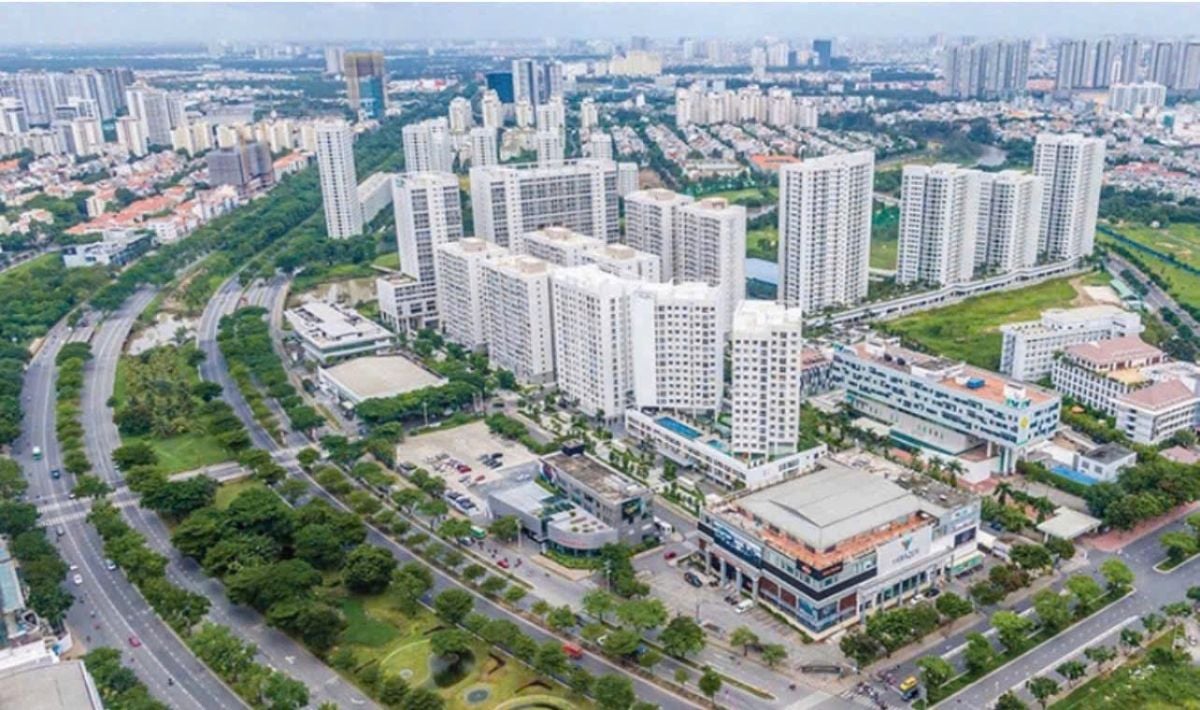
Residential real estate market in Q1 2026 showed a clear improvement in supply, but liquidity and selling prices continued to trend cautiously with divergence across segments. Dat Xanh Services (DXS-FERI) released a report on the residential real estate market in Q1-2026, forecasting developments for Q2-2026. At the event, Ms. Nguyen Thi Kim Thoa, Business Development - Product Director of Dat Xanh Services, stated that the Vietnamese housing market in Q2-2026 will see positive shifts, with new supply rising significantly compared with the start of 2026, especially in a macroeconomic environment expected to be more stable, but policy remains managed cautiously. However, growth and absorption will depend on many factors, creating three scenarios. In the ideal scenario, supply rises about 40%–50%; selling prices rise 10%–15%; floating rate stays at 9%–11%; absorption rate 50%–60%. This is a strong growth scenario but heavily depends on policy loosening, expanding credit room for real estate, and concurrent improvement of many underlying factors. In the expected scenario, the market operates at a controlled growth pace. Supply rises 30%–40%; prices rise 2%–5%; floating rate 10%–12%; absorption 30%–40%. In the challenging scenario, with higher capital costs and monetary policy kept tight, supply rises 20%–30%; prices hold flat or decline slightly; floating rate 12%–14%; absorption below 20%. According to the DX S-FERI group, if policy-related measures by the Government and the State Bank of Vietnam tighten the real estate credit environment and mortgage rates stay high, the real estate market is more likely to follow the challenging scenario, something already evident in Q1-2026. In this context, the housing market in 2026 is unlikely to return to a hot growth cycle and will operate more selectively, in line with a market transitioning to a new cycle.








Premium gym chains are entering a “golden era” that is ending or already in decline, as rising operating costs collide with shifting consumer preferences toward more flexible, community-based ways to exercise. Long-term memberships are shrinking, margins are pressured by higher rents and facility expenses, and competition from smaller, more personalized…