•
•
•
•
•
•
•
•
•
•
•
•
•
•
•
•
•
•
•
•
•
•
•
•
•
•
•
•
•
•
•
•
•


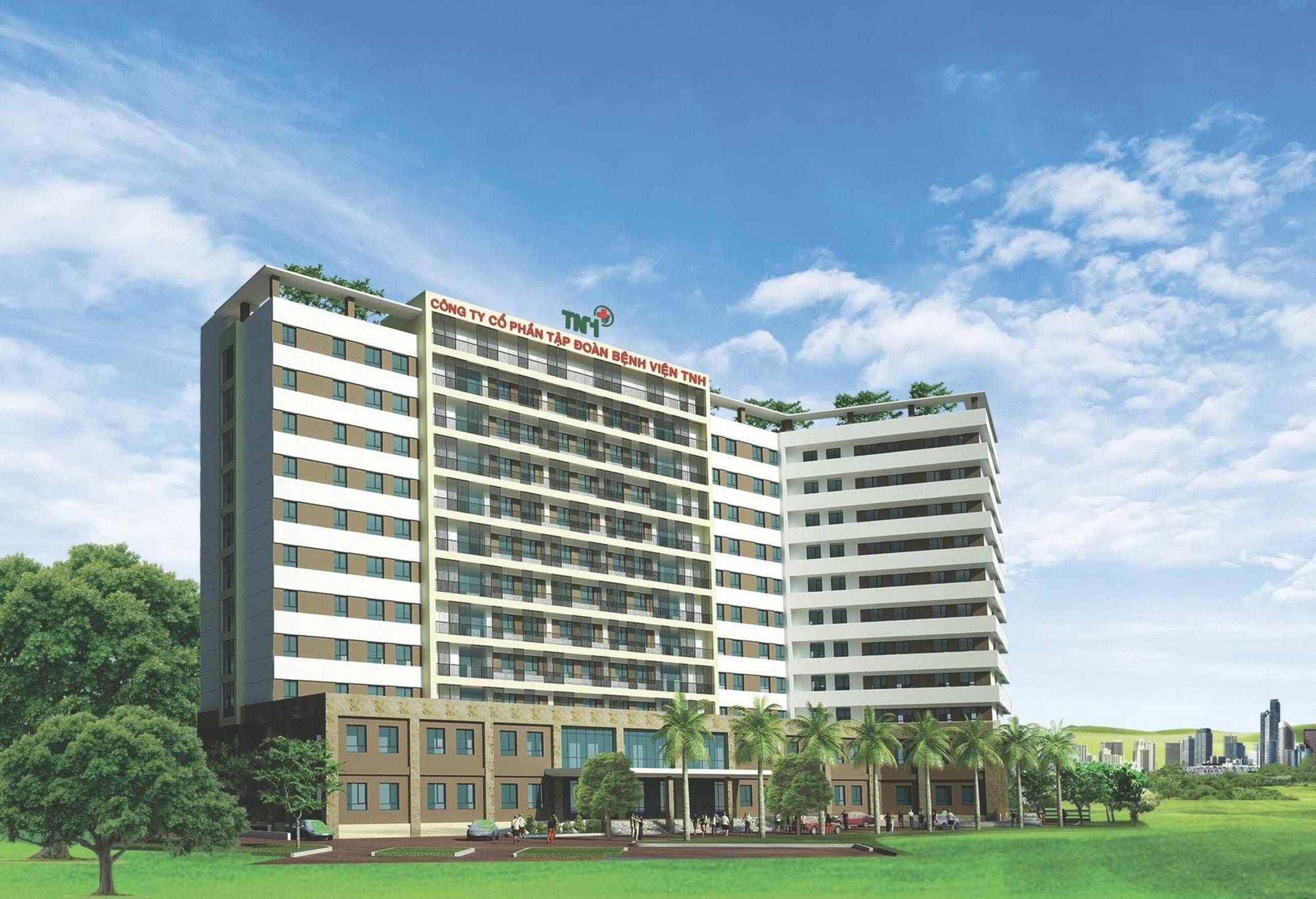
TNH Hospital Project Director Nguyen Anh Dinh (MCK: TNH, HoSE) has filed a notice on insider transactions and related-party dealings. He registered to buy 2 million TNH shares to increase his ownership. The transaction is planned to be executed from 16/04/2026 to 15/05/2026 via negotiated and/or order-matching methods. If successful, the Project Director’s holding of TNH shares would rise from nearly 6.2 million shares to about 8.2 million shares, increasing ownership from 3.7% to 4.91%. In a separate development, on 14/04/2026 the company will finalize the shareholder list for the 2026 Annual General Meeting. The rights issue is 1:1, meaning one share equals one vote. The meeting is scheduled for 15/05/2026 at TNH Hospital Lang Son. The meeting will discuss matters within the AGM’s remit, and the board will inform shareholders in writing. Regarding business performance, based on the 2025 audited consolidated financial statements, TNH Hospital recorded net revenue of over 509.5 billion VND, up 16% from 2024. After cost of goods sold, gross profit was about 28 billion VND, down 77%. Notably, revenue from financial activities rose from 81 million VND to over 8.9 billion VND. Financial costs increased 154% to about 46 billion VND; selling expenses rose 153% to over 7.6 billion VND; administrative expenses grew 64% to 73.4 billion VND. As a result, after taxes and fees, the company posted a net loss of over 93.2 billion VND, compared with a net profit of about 45.1 billion VND in the prior year. As of December 31, 2025, total assets rose 13% year-on-year to over 2,873.4 billion VND. Of this, fixed assets stood at over 1,777 billion VND (62% of total assets); long-term construction in progress was over 677.5 billion VND (24%). On the liabilities side, total liabilities were over 1,118.1 billion VND, up 61% from the year start. Total borrowings (short- and long-term) totaled over 1,041.3 billion VND, representing 93% of total debt.
Premium gym chains are entering a “golden era” that is ending or already in decline, as rising operating costs collide with shifting consumer preferences toward more flexible, community-based ways to exercise. Long-term memberships are shrinking, margins are pressured by higher rents and facility expenses, and competition from smaller, more personalized…